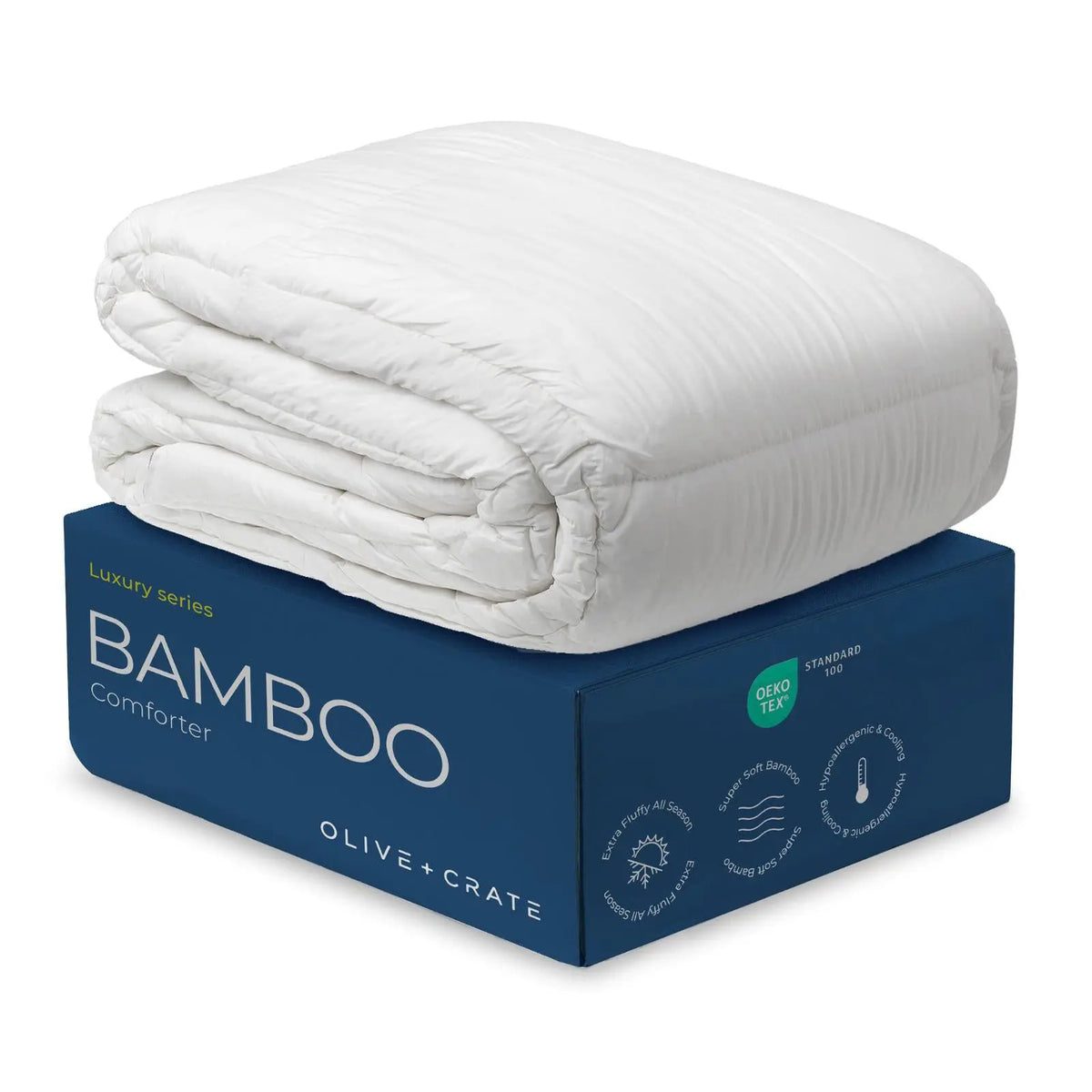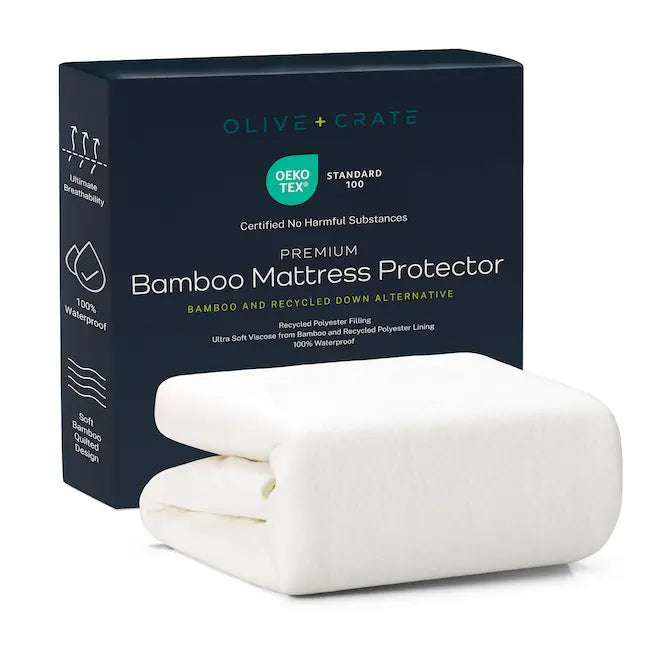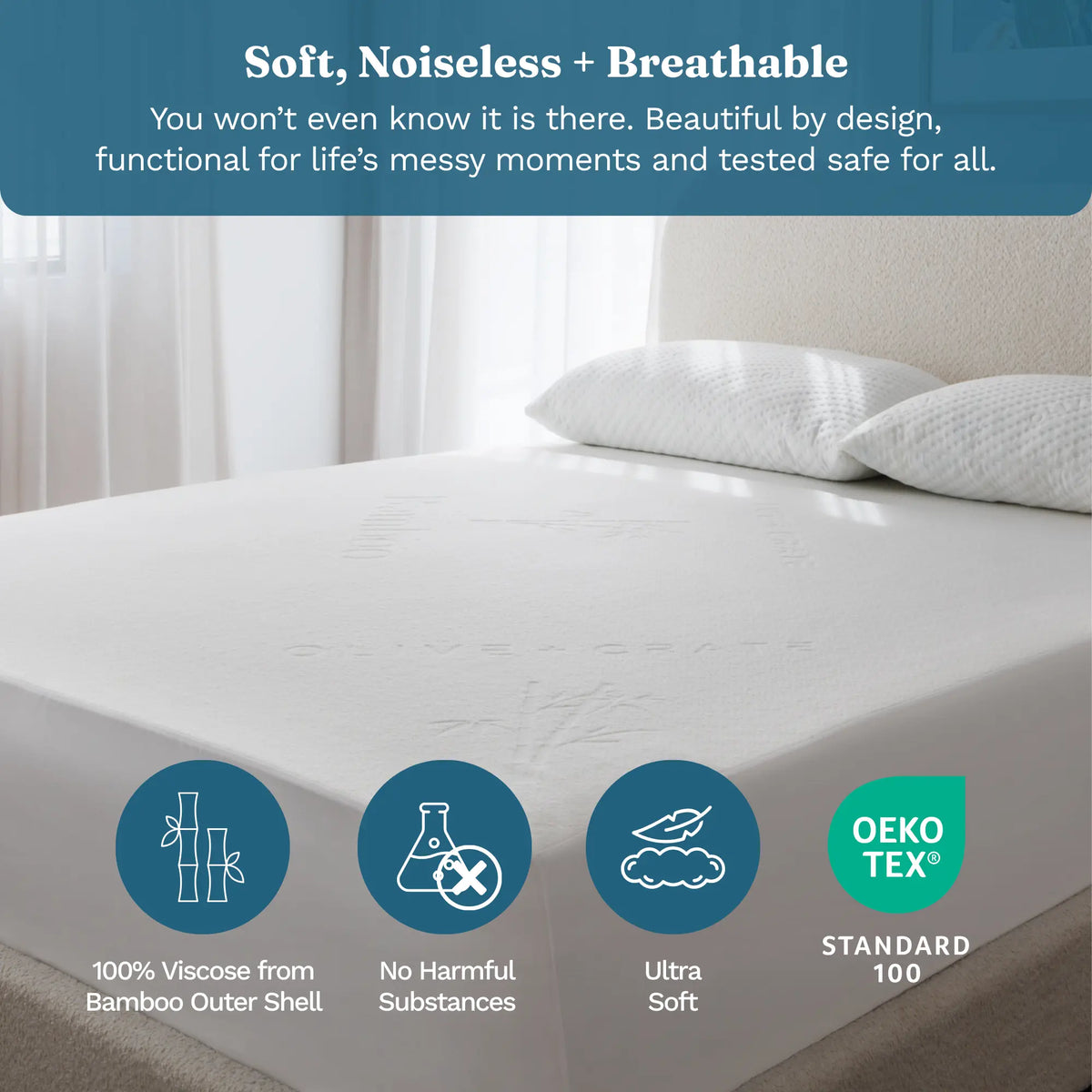


Down alternative is not inherently toxic, but the materials and processes behind it matter.
Understanding what goes into different fills can help clarify which options feel best for your body and your home.
Short Answer: Is Down Alternative Safe for Everyday Sleep?
Down alternative bedding is generally safe for everyday use. It is often chosen by people who want to avoid feathers or common irritants.
Safety depends less on the label and more on a few practical details:
-
The type of fiber used in the fill
-
Whether chemical treatments are involved
-
How the material handles heat and moisture
Down Alternative Is a Category, Not a Material
“Down alternative” describes how a fill behaves, not what it is made from.
Because down alternative is a broad category rather than a single material, comfort and performance can vary from one product to another.
What Is a Down Alternative Made Of?
Down alternative refers to fills designed to replicate the loft and softness of traditional down without using feathers.
Most down alternative materials fall into a few broad categories.
Synthetic Fibers (Polyester or Microfiber)
This is the most common type of down alternative.
These fills are made from fine synthetic strands engineered to trap air and create a fluffy, lightweight feel.
They are often chosen because they are:
-
Consistent in shape and loft
-
Less likely to clump over time
-
Widely available and affordable
Microfiber versions are especially common in pillows, where predictable compression and rebound matter more than insulation.
Recycled Synthetic Fills
Recycled down alternatives use polyester fibers made from reclaimed materials, such as recycled plastic bottles.
In terms of feel and performance, they are similar to standard synthetic fills.
The main difference is environmental impact rather than comfort. Performance still depends on fiber quality, density, and construction.
Plant-Based Fibers
Some down alternatives incorporate plant-based fibers, often derived from eucalyptus or bamboo.
These are typically blended into fills or used in surrounding fabrics rather than as a pure fill replacement.
Plant-based fibers tend to:
-
Feel smoother against the skin
-
Manage moisture differently than synthetics
-
Add breathability rather than insulation
They are often included to adjust how a comforter or pillow feels at the surface, especially for people sensitive to heat or humidity.
Down vs Down Alternative: How Do They Actually Perform?
Traditional Down, Explained
Traditional down comes from the soft underlayer beneath duck or goose feathers. Its insulating ability is often measured using down fill power, which reflects how much air the down can trap.
Some sleepers enjoy the warmth and familiarity of down. Others look for alternatives due to:
-
Excess heat retention
-
Sensitivities or allergies
-
Preferences around sourcing or maintenance
These tradeoffs help explain why down alternatives exist.
How Down Alternative Differs
Down alternative is designed to replicate the loft of down while changing how the fill behaves across the bed.
Instead of prioritizing insulation alone, many alternatives focus on balance, airflow, and consistency.
The most noticeable differences show up in how each option handles warmth, breathability, and long-term comfort.
Performance Comparison at a Glance
✔ = generally the better choice for that feature

Is Down Alternative as Good as Down for Comfort and Sleep Quality?
Comfort is subjective. Some people associate comfort with warmth and softness, while others prioritize balance and temperature control.
For sleepers who prefer a lighter, more stable feel, down alternative often feels easier to live with over time.
For those who enjoy maximum warmth and a sink-in sensation, traditional down may still feel more familiar.
Bottom line:
Down is best for insulation. Down alternative is best for consistency and control.
Health Considerations: Allergies, Sensitivities, and Materials
Skin Sensitivities
Down alternative is often easier for sensitive sleepers to tolerate, but hypoallergenicity is not a guarantee.
What matters most is how the fill is constructed and how it handles moisture.
Allergies Over Time
For allergy-prone sleepers, the benefits of down alternative usually show up gradually.
It is less about immediate relief and more about how the bedding behaves night after night.
Down alternative can feel gentler for allergies when it stays dry and is paired with breathable TENCEL pillowcases.
Hot Sleepers
Down alternative can feel cooler than down, with TENCEL eucalyptus fibers helping manage surface heat.
Traditional down traps warmth efficiently, which can feel stifling for people who run warm.
Fills designed with airflow in mind tend to feel lighter and less heat-retentive, particularly among comforter materials suited for hot sleepers.
Pillows & Side Sleepers
Down alternative works well for pillows, especially when the fill is microfiber.
Microfiber compresses and rebounds predictably, which matters more than insulation when the goal is neck and shoulder support.
How a pillow performs over several hours often shapes overall comfort, which is closely tied to how pillow choice fits into a calming sleep routine.
Is Down Alternative Vegan and Eco Friendly?
Most down alternatives are vegan, but their environmental impact depends on how they are made.
Traditional down is animal-derived. Down alternatives avoid this, but they vary widely in sustainability.
Most fall into two categories:
-
Synthetic fills made from petroleum-based fibers
-
Regenerated plant-based fibers derived from eucalyptus
Fibers such as TENCEL fibers made from eucalyptus are associated with renewable sourcing and closed-loop production, which affects both feel and environmental footprint.
Final Takeaway
Down alternative is generally safe for everyday use. The way it performs depends on fiber choice, construction, and breathability.
Paying attention to materials makes it easier to find bedding that feels comfortable over time.