

Bedroom feng shui focuses on layout, bed placement, color, and what the room holds or does not hold. Small choices affect how safe, calm, and settled a space feels at night.
This guide prioritizes the elements that matter most, with seasonal context for Chinese New Year and the Year of the Fire Horse.
The Year of the Fire Horse: A Bedroom Reset
The Year of the Fire Horse tends to feel fast-moving. When things pick up, the bedroom becomes the place where you want the opposite effect.
In feng shui, this usually means simplifying the space so it feels steady rather than overstimulating.
Clear what’s built up, reset the bed, and refresh a few essentials. Small changes land better once the room has space to breathe.
What a Good Feng Shui Bedroom Feels Like
A good feng shui bedroom feels like nothing is coming at you. The room reads as steady, not busy. Here are quick signs it’s working:
The bed feels protected.
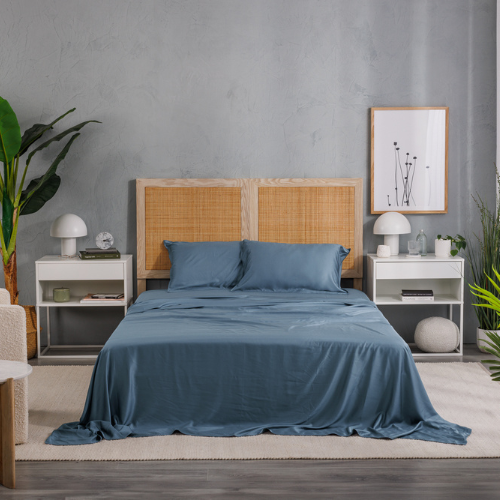
You can see the door from bed without your feet pointing straight at it, and the headboard is anchored to a solid wall.
The setup feels balanced.
There is usable space on both sides of the bed, with similar lighting or surfaces rather than one side doing all the work.
The room signals rest only.
From the bed, you don’t see a TV, computer, exercise equipment, or piles that suggest work or storage.
The room feels calm at first glance.
Surfaces are mostly clear, decor is limited, and nothing visually dominates the space.

Color is often the difference between “pretty” and “settling.”
If you like choosing color through personality or energy, bedroom colors influenced by zodiac energy can be a gentle way to narrow palettes without committing to a major redesign.
5 Feng Shui Bedroom Rules to Know Before You Rearrange
If you only follow a handful of rules, make them these:
1. Command position matters most.
You should see the door from the bed without lining up directly with it.
2. Solid support behind your head.
A sturdy headboard against a solid wall feels grounding.
3. Balance beats perfection.
Symmetry around the bed reduces visual tension, even when it’s not exact.
4. Keep awake energy out.
Minimize electronics, work zones, and exercise equipment in the bedroom.
5. Mirrors are powerful.
Avoid placing mirrors where they face the bed.
Where to Place Your Bed for Positive Energy
-
Place the bed so you can see the bedroom door while lying down.
-
Avoid placing the bed directly in line with the door, often called the coffin position.
-
Put the headboard against a solid wall, ideally not backing onto loud mechanical areas like plumbing or appliances.
What the bed needs to feel supported:
-
A sturdy headboard, usually wood or upholstered
-
Space on both sides so the bed feels approachable
-
Minimal storage under the bed, if possible
The bedding itself also changes how the bed feels. If you want the bed to feel cooler and cleaner at night, sheets designed for airflow and all-night comfort can make a noticeable difference.
Which Way Should Your Bed Face?
Direction gets talked about a lot, but in practice it’s the third priority after command position and solid support.
If you have options, choose the direction that:
-
reduces harsh morning glare on your face
-
avoids having your feet point straight at the door
-
doesn’t put your head directly under a window
If you don’t have options, keep the bed where it feels most stable and adjust the rest through headboards, symmetry, clutter, mirrors, and lighting.
Directional symbolism can be layered in later if you want.
Feng Shui Bed Position Mistakes to Avoid
These are the most common reasons a bedroom feels subtly unsettled, even when the decor looks finished:
-
Bed directly aligned with the door.
-
Headboard under a window.
-
Mirrors reflecting the bed.
-
Electronics or work gear in sight.
-
One-sided setups, like only one nightstand when it’s avoidable.
How to Create a Good Bedroom Feng Shui Layout
Once the bed is in a good position, the rest of the room should feel like it’s cooperating.
A layout usually feels right when:
-
The bed is the visual center, not the dresser, TV, or desk.
-
Pathways stay clear, especially from the door to the bed.
-
Furniture height near the bed feels respectful, with no looming pieces.
-
Symmetry is at least suggested, even if not perfectly matched.
If you want the fastest improvement, focus on the wall behind the headboard and the space on both sides of the bed. That’s the visual stage.
Materials help the room feel grounded without adding clutter.
Many people find that bringing natural elements into bedroom design creates calm more effectively than adding decorative objects.
Feng Shui Bed Placement for Wealth and Stability
This is where feng shui is often misunderstood. In the bedroom, wealth is usually framed as stability rather than money.
Focus on:
-
Solid backing, with the headboard on a solid wall.
-
Balanced sides, ideally two nightstands and two lamps.
-
Clear under-bed space, with less stored underneath.
Feng Shui Bedroom Layout for a Small Room
When space is tight, prioritize felt spaciousness:
-
Keep both sides of the bed accessible if possible, even with a narrow walkway.
-
Avoid tall, heavy pieces right next to the bed.
-
Use closed storage over open piles.
-
Make the bed visually calm with simple bedding.
If the bed must go against a wall, restore balance through lighting, shelving, or visual weight on the open side.
Feng Shui Bedroom for a Single Person
Single-person bedrooms often feel unintentionally unfinished.
A more settled setup often looks like:
-
Suggested symmetry even if you sleep on one side.
-
No “waiting room energy,” like half-empty closets saved for later.
-
Relationship balance without forcing it. Two nightstands can still create calm even if you’re single.
Feng Shui Bedroom Colors for Sleep and Mood
Bedrooms tend to do best with colors that don’t feel loud at night. Muted, skin-toned, earthy, and softened hues often feel calmer, especially in spaces designed primarily for sleep.
If you like refreshing the room without repainting, bedding colors that change with the seasons can subtly shift the mood.
For Sleep
Muted blues, soft greens, and warm neutrals with low contrast.
For Love and Connection
Warm neutrals, dusty rose tones, and soft clay, used as accents.
For Couples
Balanced neutrals with matched bedside lighting and surfaces.
For Singles
Grounding tones like sand, oat, or soft olive with a small contrast element.
Colors to Avoid in the Bedroom
Highly saturated reds as dominant colors, intense contrasts, or neon accents near the bed.
Feng Shui Bedroom Decor Tips That Actually Matter
Decor that helps feng shui usually does two things: reduces visual noise and improves the sensory feel of the room.
-
Natural fibers that feel cooler and less synthetic against skin.
-
A bed setup that feels breathable, not heavy or sticky.
-
Pillows that match how you actually sleep.
If you’re dialing in comfort without buying much, start with bedding basics.
Pillows with adjustable fill that adapt to individual comfort needs are often one of the most immediately felt changes.
Takeaway: Let Your Bedroom Support You
If your bedroom feels restless, start with the bed. Put it in a command position if possible, give it solid support, balance the sides, and remove the few things that bring awake energy into view.
Feng shui is about making the room feel steady enough that your body can finally stop paying attention.
External Sources and Further Reading
For more on core feng shui principles and bedroom layout guidance, check out:
-
How to place your bed for good feng shui - practical tips on bed orientation and command position. https://www.thespruce.com/place-your-bed-for-good-feng-shui-1274331
-
Feng shui Bagua map basics for your home - foundational ideas on energy zones you can explore once your layout is settled. https://fengshuimanhattan.com/blog/2018/6/21/feng-shui-bagua-map-basics-for-your-home
- Feng shui bedroom layout ideas - room arrangement suggestions that complement the principles covered here. https://www.thespruce.com/feng-shui-bedroom-layout-ideas-7550320