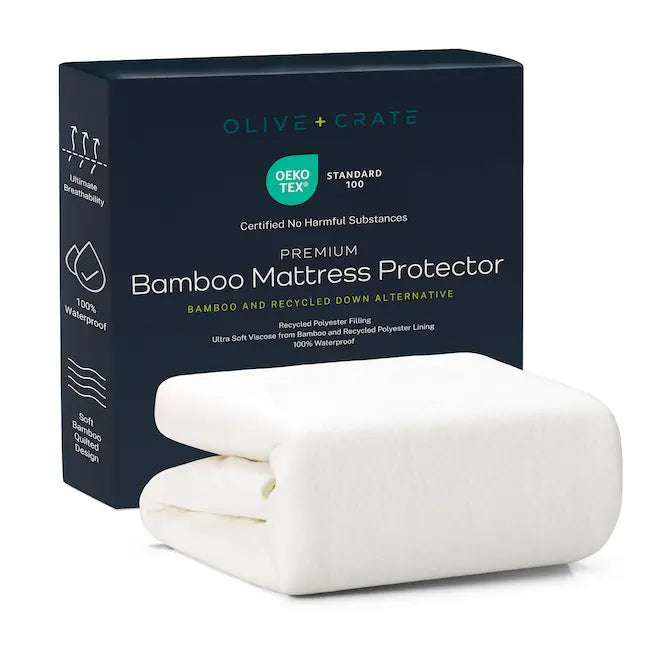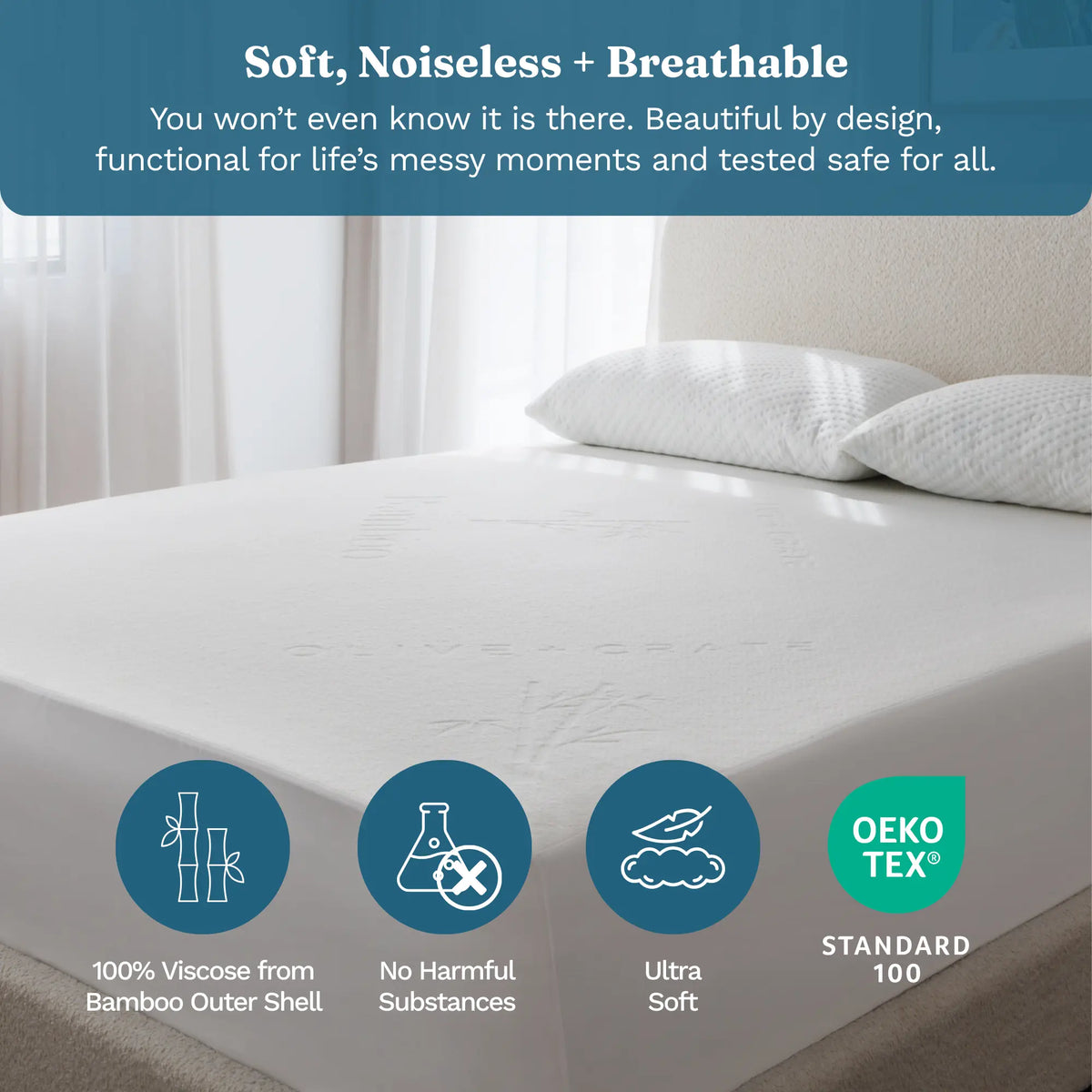

If you sleep hot, the comforter material matters more than its weight or thickness. Breathable, moisture-wicking natural fibers allow heat to move away instead of lingering.
Choosing the right material is often the difference between restless tossing and a night that feels calm from start to finish.
Why Hot Sleepers Overheat at Night
Overheating is rarely caused by one big thing. It is usually the result of small factors adding up, and bedding plays a quiet but powerful role.
When a comforter traps heat instead of letting it escape, the body has to work harder to stay comfortable. Moisture builds. Air stops circulating. Sleep becomes lighter and more fragmented.
Common contributors include:
-
Trapped heat from non-breathable materials
-
Poor moisture management
-
Natural body temperature fluctuations
Night sweats can affect people of all ages, for different reasons. While bedding isn’t the only factor, choosing a breathable comforter can make a noticeable difference in how the night unfolds.
How Comforter Materials Affect Sleep Temperature
Not all comforters behave the same once the lights go out. Some quietly release heat and moisture as the night unfolds. Others hold onto both.
It comes down to a few simple qualities:
-
Breathability: How easily air moves through the fabric
-
Moisture management: Whether the material absorbs moisture or lets it evaporate
-
Weight and loft: How much air is trapped within the comforter
Both the fill and the outer shell matter. Even a lightweight comforter can feel warm if the fabric surrounding it doesn’t breathe.
Understanding these basics also helps clarify the difference between bedding styles - something we break down further in our guide on duvets versus comforters.
With that foundation in mind, let’s look at the materials themselves.
What Is the Best Comforter Material for Hot Sleepers?
Bamboo Comforters
Bamboo-derived fabrics have a way of feeling immediately comfortable. They breathe easily and move moisture away from the body, which means they tend to feel cool against the skin without ever feeling thin or insubstantial.

It does not trap warmth or cling as the night goes on. Air moves through the fibers, moisture fades, and the comforter stays light even when temperatures shift while you sleep.
Why bamboo comforters are often loved:
-
Air flows through them naturally
-
Moisture does not linger
-
The drape feels soft and relaxed
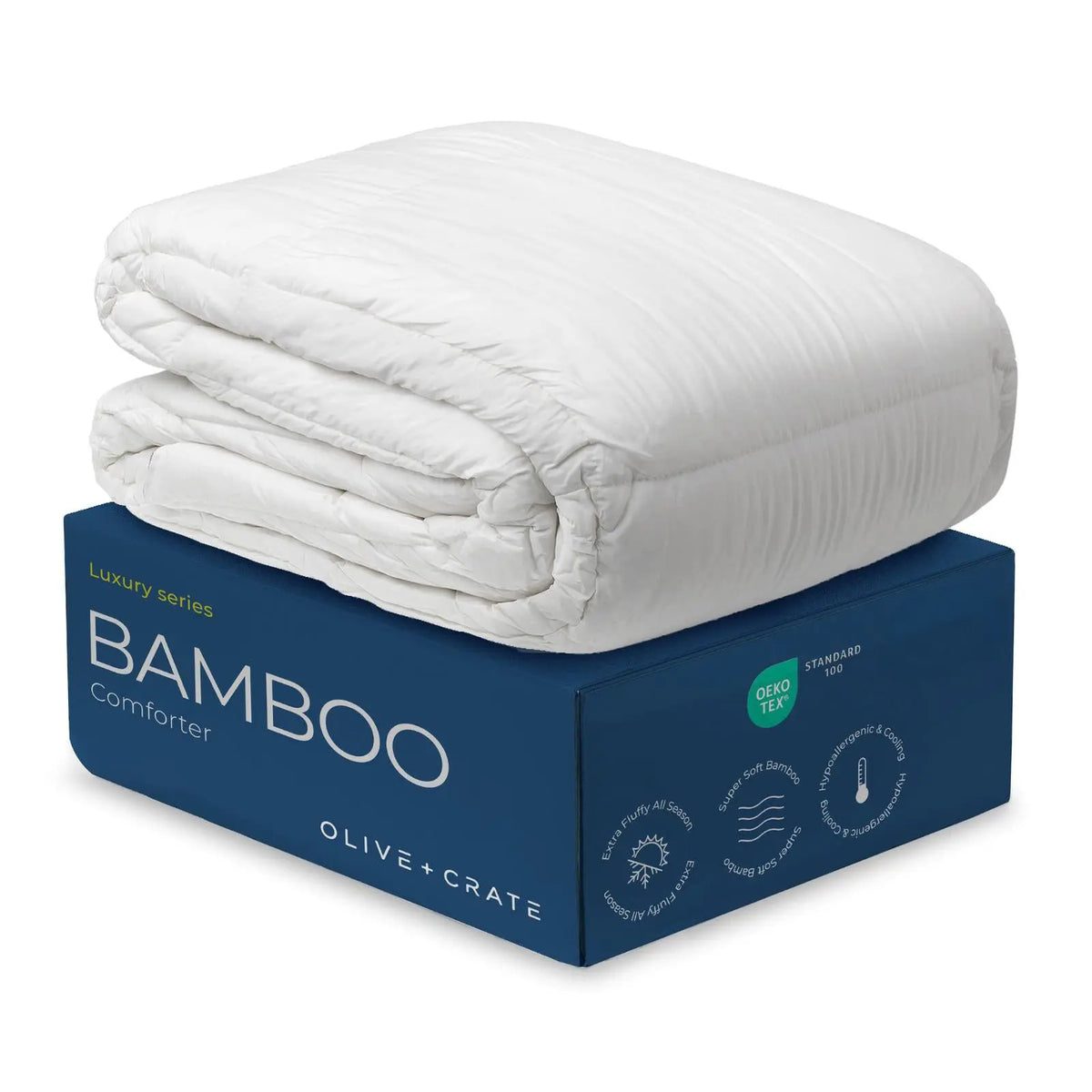
They tend to work especially well for sleepers who warm up quickly or live in more humid climates. Our Bamboo Comforter was created with that ease in mind. It feels cool to the touch, gentle in weight, and calm enough to disappear once the room goes quiet.
Eucalyptus (TENCEL™ Lyocell) Comforters
Eucalyptus-based fibers, often known as TENCEL™ Lyocell, feel noticeably smooth from the start. The fabric has a fluid quality, almost silky, that settles easily over the body rather than sitting stiffly on top.
What makes eucalyptus feel different:
-
Heat and moisture spread out instead of building up in one spot
-
The comfort stays consistent through the night, rather than shifting as temperatures change
-
The fabric feels light and intentional, not thin or fragile
There is also something reassuring about how eucalyptus is made. Its lower water and energy demands have drawn interest well beyond bedding, especially among those who care about how materials are sourced as much as how they feel.
Cotton Comforters (Percale vs. Sateen)
Cotton comforters feel familiar for a reason, but that familiarity can sometimes hide important differences. The fiber itself matters, but the weave matters just as much once the comforter is on the bed.
Percale cotton feels crisp and airy, allowing air to pass through with ease. It tends to feel fresh, especially on warmer nights.
Sateen has a smoother surface and a heavier drape, which gives it a cozier feel but also means it holds onto more warmth.
-
Percale: light, breathable, and fresh
-
Sateen: smooth, soft, and a bit warmer
For those who love the grounded, familiar feel of cotton but still want to stay cool, percale often strikes the right balance. It feels settled without lingering too long as the night wears on.
Organic and Eco-Friendly Comforters
Now, if you’re also thinking about eco-friendly materials, there’s good news. Many of the fabrics that sleep cooler for hot sleepers are the same ones that tend to be gentler on the environment.
Materials That Often Perform Best
-
Organic cotton: familiar and breathable, especially in percale weaves
-
Bamboo: naturally moisture-wicking with a soft, relaxed feel
-
Eucalyptus-based fibers: smooth, temperature-regulating, and resource-efficient
Comforter Weight and Feel: Fluffy, Lightweight or Heavy?
Comfort is not only physical. It is emotional. The way a comforter feels when you first pull it up can shape how relaxed you feel before sleep, but that initial impression does not always reflect how it behaves hours later.
Fluffy Comforters
Fluffy comforters appeal to those who love a light, airy presence. When made with breathable materials, fluff does not automatically mean warmth.
A well-designed fluffy comforter can still allow air to move freely, creating softness without heat buildup.
Best for:
-
Those who like a cloud-like feel
-
Sleepers who want volume without heaviness
Lightweight Comforters
Lightweight comforters tend to feel barely there, settling easily over the body. They are often preferred by hot sleepers who want coverage without pressure.
Best for:
-
Warm sleepers year-round
-
Smaller spaces or warmer climates
Heavy Comforters
Heavier comforters offer a sense of grounding that some people find deeply calming. Weight alone does not determine warmth. When materials breathe, even a heavier comforter can regulate temperature effectively.
Best for:
-
Those who enjoy a more anchored feel
-
Cooler rooms or winter months
The real distinction lies in separating how a comforter feels at first touch from how it behaves once you have been asleep for hours.
The Best Comforter for Hot Sleepers by Season
Hot sleepers do not need fundamentally different comforters each season. They need the right materials and fill levels adjusted for temperature. Below is exactly what to choose in each case.
Summer Comforters
In warmer months, the best choice is a lightweight comforter made from highly breathable, moisture-wicking natural fibers.
What to look for:
-
Low fill weight or summer-weight construction
-
Breathable materials such as bamboo, eucalyptus (TENCEL™ Lyocell), or percale cotton
-
A comforter that feels cool to the touch and does not cling to the body
Best summer choice: Lightweight bamboo, eucalyptus, or percale cotton comforter with low fill.
Winter Comforters
In colder seasons, hot sleepers do not need the warmest comforter available. They need a comforter that warms briefly, then stops warming.
The best winter option has:
-
Moderate fill weight rather than heavy loft
-
Natural fibers that insulate gently while still breathing
-
Construction that releases excess heat once the body warms
Best winter choice: Medium-weight comforter made from breathable natural fibers, not heavy down or dense synthetics.
All-Season Comforters
An all-season comforter works best when breathability is prioritized over insulation.
The ideal all-season option:
-
Uses temperature-regulating natural fibers such as bamboo or eucalyptus
-
Has a balanced fill weight that adapts across temperature changes
-
Works well with layering, allowing small adjustments instead of full swaps
Best all-season choice: Medium-light comforter made from bamboo or eucalyptus with strong temperature regulation.
Are Down Comforters a Good Choice for Hot Sleepers?
Down comforters often get a bad reputation among hot sleepers, but the reality is more nuanced. Whether down feels comfortable or stifling depends less on the material itself and more on how it is used, including fill weight, loft, and construction.
Down vs. Down Alternative
What matters most is balance. The way a comforter is filled and finished shapes how it holds or releases heat over time.
Key factors to consider:
-
Loft and airflow: Higher loft can allow air to circulate, or trap warmth if the fill is too dense
-
Heat retention: Down insulates efficiently, which can feel cozy or overwhelming depending on weight
-
Moisture management: Down alternatives vary widely, with some breathing well and others holding warmth
Lightweight down comforters can work for some hot sleepers, especially in cooler months.
Still, many people find plant-based fibers easier to live with over time. They tend to feel more predictable, more forgiving, and less sensitive to small temperature shifts through the night.
How to Choose the Best Comforter for Hot Sleepers
If you are narrowing down your options, this broader lens can help bring clarity without overthinking.
Use this checklist while shopping:
1. Check the shell fabric first
-
Look for bamboo, eucalyptus (TENCEL™ Lyocell), or percale cotton
-
Avoid polyester or microfiber shells, even if the fill sounds breathable
2. Look at fill weight, not just warmth labels
-
“Ultra warm” or “extra plush” usually means heat retention
-
For hot sleepers, low to medium fill weight is almost always better
3. Confirm moisture-wicking properties
-
The material should move moisture away, not absorb and hold it
-
This prevents that heavy, damp feeling late at night
4. Think about how it behaves after several hours
-
A good comforter stops warming once you are comfortable
-
If it keeps building heat, it is trapping warmth
5. Match the comforter to your environment
-
Warm climate or humid room: lighter fill, maximum breathability
-
Cool room but hot sleeper: moderate fill with temperature-regulating fibers
6. Avoid synthetic fills and shells when possible
-
Even breathable fills can feel warm if the outer fabric traps heat
Final decision rule:
The best comforter for hot sleepers is the one you stop noticing halfway through the night, not the one that feels impressive when you first pull it up.
Final Verdict
For hot sleepers, chasing the warmest or fluffiest comforter usually backfires.
What tends to work better is something breathable, light, and predictable, the kind that feels the same at 2 a.m. as it did when you pulled it up.
When a comforter stays out of the way, sleep gets easier.