

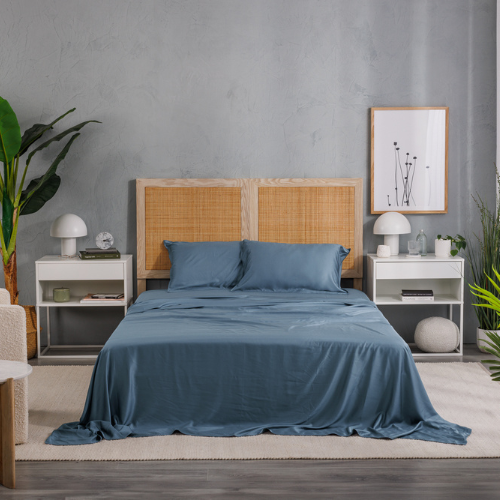

If you have ever woken up feeling too warm at night, you are not alone. Many people experience overheating while sleeping, even during cooler months. The reassuring part is that sleeping hot is often a matter of alignment rather than something to fix.
With a few thoughtful adjustments to your space, bedding, and nightly routines, it is possible to sleep more comfortably throughout the year.
What Is a Hot Sleeper?
Hot Sleeper vs Cold Sleeper
A hot sleeper is someone whose body holds onto heat during sleep. Cooling down at night can feel harder, even in comfortable room temperatures.
A cold sleeper, by contrast, often needs extra layers to feel comfortable, even when the room temperature feels moderate.
These differences are common and influenced by how each body regulates heat.
Health experts note that factors such as metabolism, hormones, and circulation play a role in whether someone sleeps warm or cool.
You may be a hot sleeper if:
-
You often remove layers during the night without realizing it
-
Your sleep feels lighter or more easily interrupted
-
You prefer breathable fabrics year-round, even in cooler months
-
Heavy bedding feels stifling rather than comforting
-
You wake up feeling warmer than the room temperature
Why Are Some People Hot Sleepers?
If you tend to sleep warm, it is usually due to a combination of internal rhythms and external factors rather than a single cause.
Some common influences include:
-
Natural metabolism and circulation
-
Hormonal changes at different life stages
-
Food and drink choices in the evening
-
Stress and nervous system activity
-
Limited airflow or excess humidity
-
Bedding that traps warmth
According to Healthline, body temperature regulation is closely tied to sleep quality, and when that process is disrupted, falling or staying asleep can become more difficult.
Everyone regulates temperature differently. Sleeping warm or cool is simply part of how your body responds to its surroundings.
Why Do I Feel So Warm When I Sleep?
Overheating does not always show up as night sweats. Often, it begins as a slow buildup of warmth that prevents the body from settling into deeper rest.
This can be influenced by:
-
Bedrooms that are warmer than ideal
-
Still air or limited ventilation
-
Mattresses or toppers that retain heat
-
Sheets and comforters that do not breathe well
If sweating becomes frequent or disruptive, these resources offer additional insight:
For a broader medical perspective on why people feel hot at night, the Sleep Foundation provides helpful context.
5 Hot Sleeper Solutions That Work in Every Season
Sleeping warm is not only a summer concern. Comfort comes from creating a sleep environment that adapts gently with the seasons.
1. Create a Breathable Sleep Environment
Your bedroom plays a quiet but meaningful role in how your body rests.
Simple adjustments include:
-
Keeping the room slightly cool
-
Encouraging airflow with fans or open windows
-
Using blackout curtains to limit daytime heat
-
Reducing humidity when the air feels heavy
-
Allowing for gentle cross-ventilation when possible
For practical ideas on cooling your space, you may find these guides useful:
2. Choose Bedding That Releases Heat
Bedding is one of the most important factors for warm sleepers. Materials that sit close to the skin can either support temperature balance or work against it.
Look for bedding that:
-
Encourages airflow instead of insulation
-
Manages moisture before it becomes clammy
-
Feels light and fluid rather than dense or padded
-
Responds naturally to changes in body temperature
This is why many warm sleepers find relief when switching from synthetic or heavily woven fabrics to thoughtfully made natural fibers. The difference is often noticeable within the first few nights.
If you would like to explore this further:
3. What Materials Feel Best for Warm Sleepers?
Fabric choice makes a noticeable difference when it comes to nighttime comfort.
Among natural options, TENCEL™ Lyocell made from eucalyptus stands out for warm sleepers. Its fiber structure is smooth and breathable, allowing heat and moisture to dissipate quickly instead of lingering against the skin.
Other materials that can work well include:
-
Organic cotton percale, known for its crisp, airy weave
-
Linen, valued for its natural airflow and relaxed texture
-
Responsibly made bamboo-based fibers, when produced with breathability in mind
For those interested in learning more about eucalyptus-based bedding:
Synthetic materials such as Polyester often retain heat and moisture, which can make sleep feel heavier.
4. Thoughtful Layering Through the Seasons
Warm sleepers still need comfort and warmth, just in a more flexible form.
A season-by-season approach can make a noticeable difference:
Summer
-
Lightweight, breathable sheets
-
A single light blanket for early mornings
-
Materials such as TENCEL, cotton percale and linen that feel cool to the touch and release moisture quickly
Spring and Fall
-
Breathable sheets paired with an airy duvet
-
Layers that can be folded back or added easily
-
Fabrics that adapt to shifting nighttime temperatures
Winter
-
Multiple light layers instead of one heavy comforter
-
A breathable duvet combined with a throw or extra blanket
-
Natural fibers that insulate without sealing in heat
For a deeper look at building flexible bedding setups as temperatures drop:
5. Wind Down in a Way That Cools the Body
Evening habits play an important role in how the body rests.
Gentle practices include:
-
Taking a lukewarm shower
-
Using a cool cloth on the neck or wrists
-
Wearing loose, breathable sleepwear
-
Avoiding heavy or spicy foods late in the evening
-
Placing a cool water bottle near the feet
Some people find that reducing layers or sleeping without sleepwear helps regulate temperature.
5 Best Things for Hot Sleepers
Comfort for hot sleepers is about choosing pieces that allow heat to move away from the body and support natural temperature regulation throughout the night.
The most helpful things for hot sleepers often include:
-
Cooling sheet sets made from eucalyptus, cotton percale, or linen
-
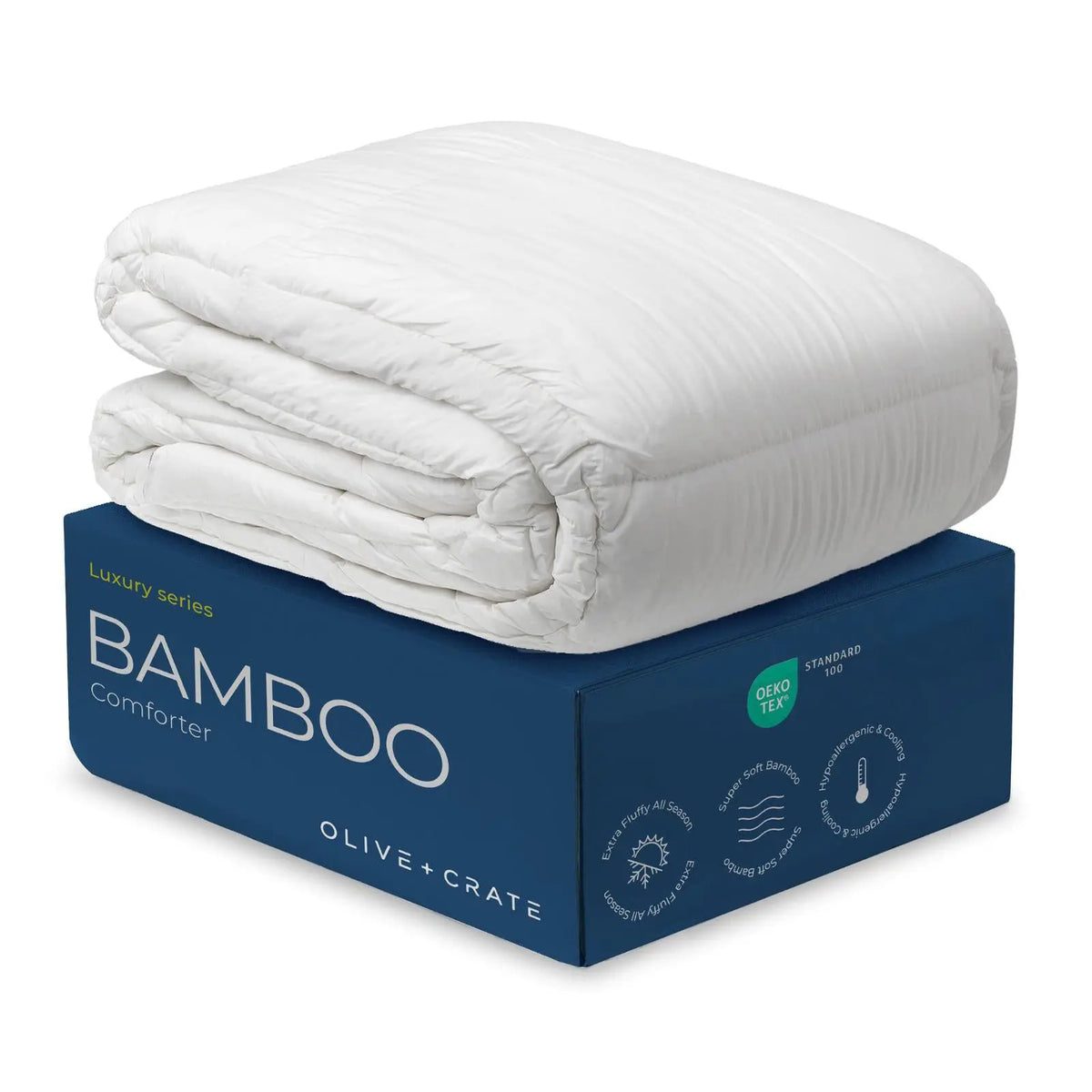
Lightweight duvets or blankets designed to breathe rather than insulate
-
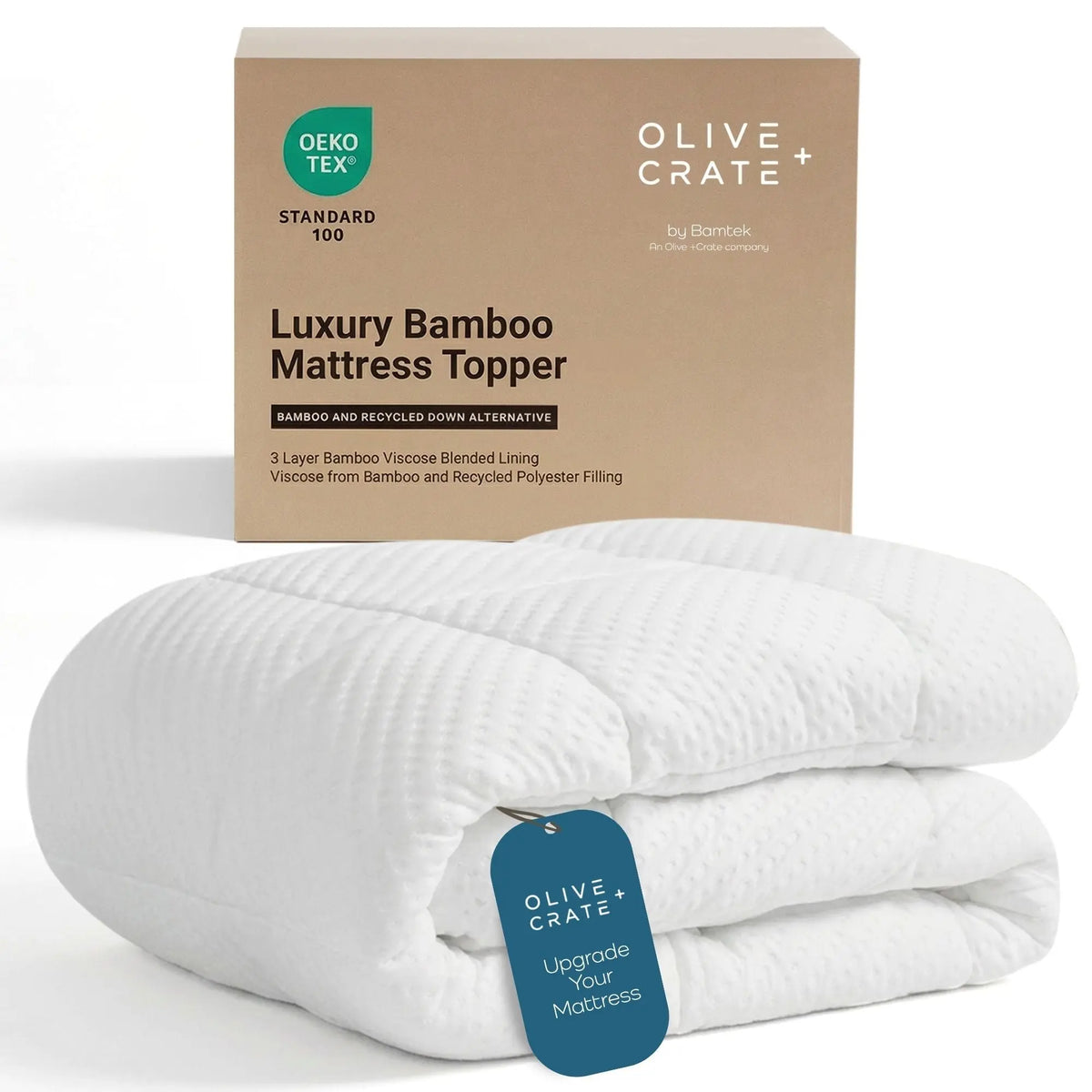
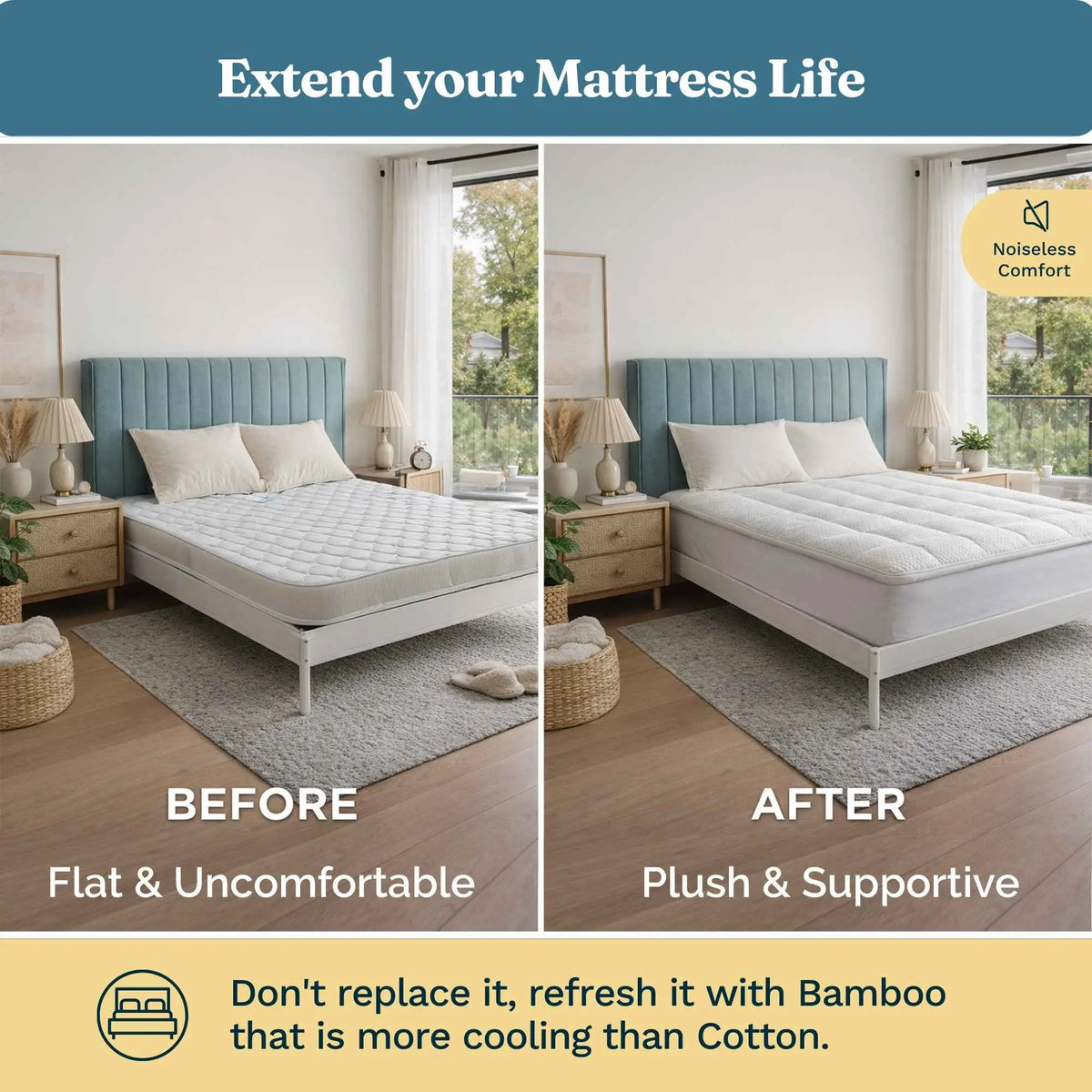
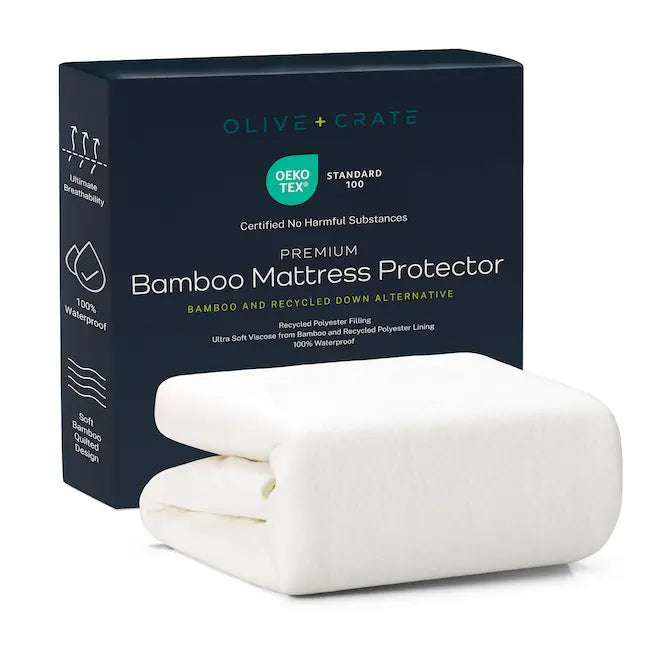
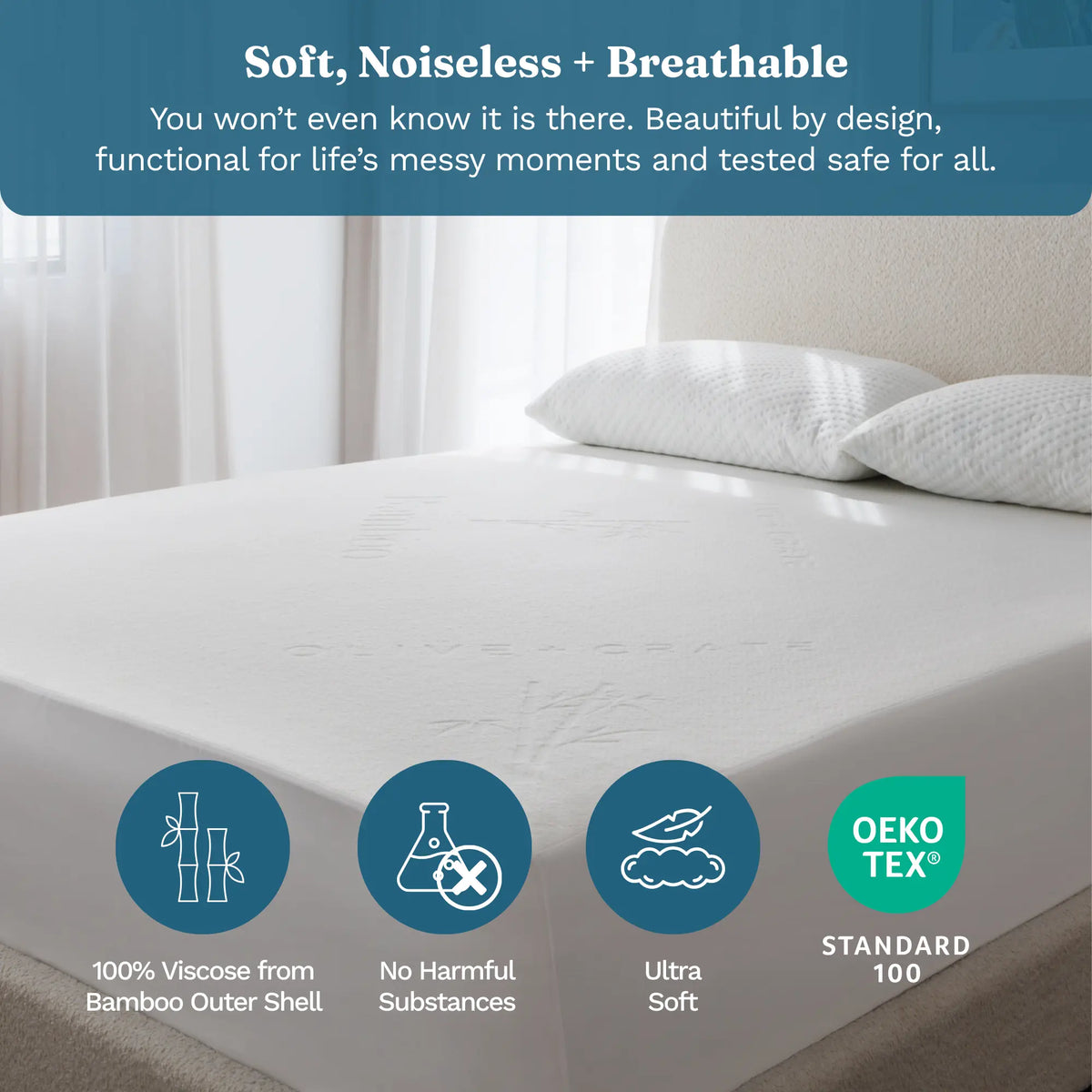
Mattress protectors or toppers that help reduce heat retention
-
Breathable sleepwear, or fewer layers when comfortable
-
Fans or air circulators that keep air moving gently through the room
For those looking to build a cooler sleep setup, eucalyptus-based bedding is often a favorite for its smooth feel and breathable structure.
10 Simple Comfort Tips for Warm Sleepers
If you are looking for small, low-effort changes:
- Swap heavy bedding for adjustable layers to manage warmth
- Position a fan to encourage airflow without direct cooling
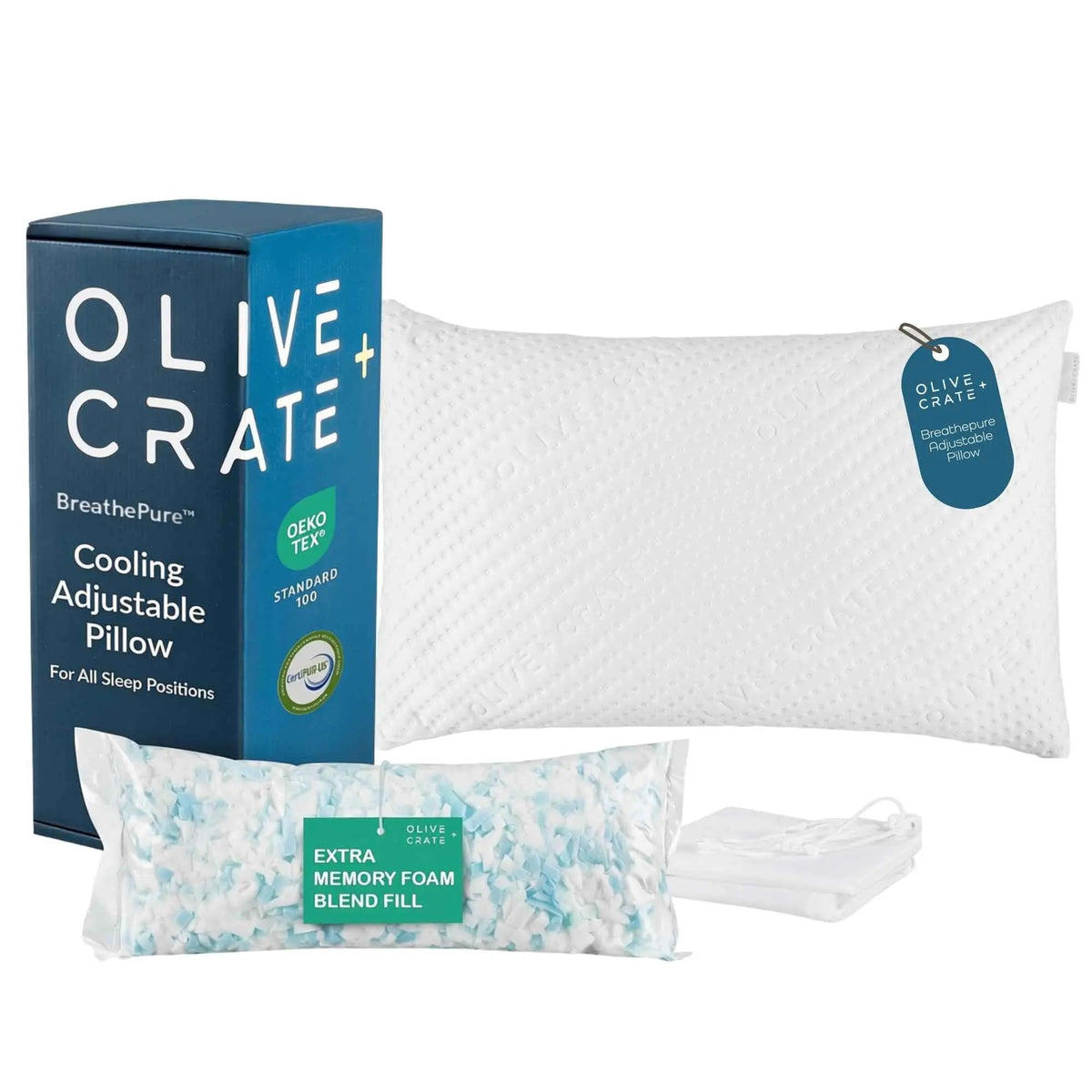
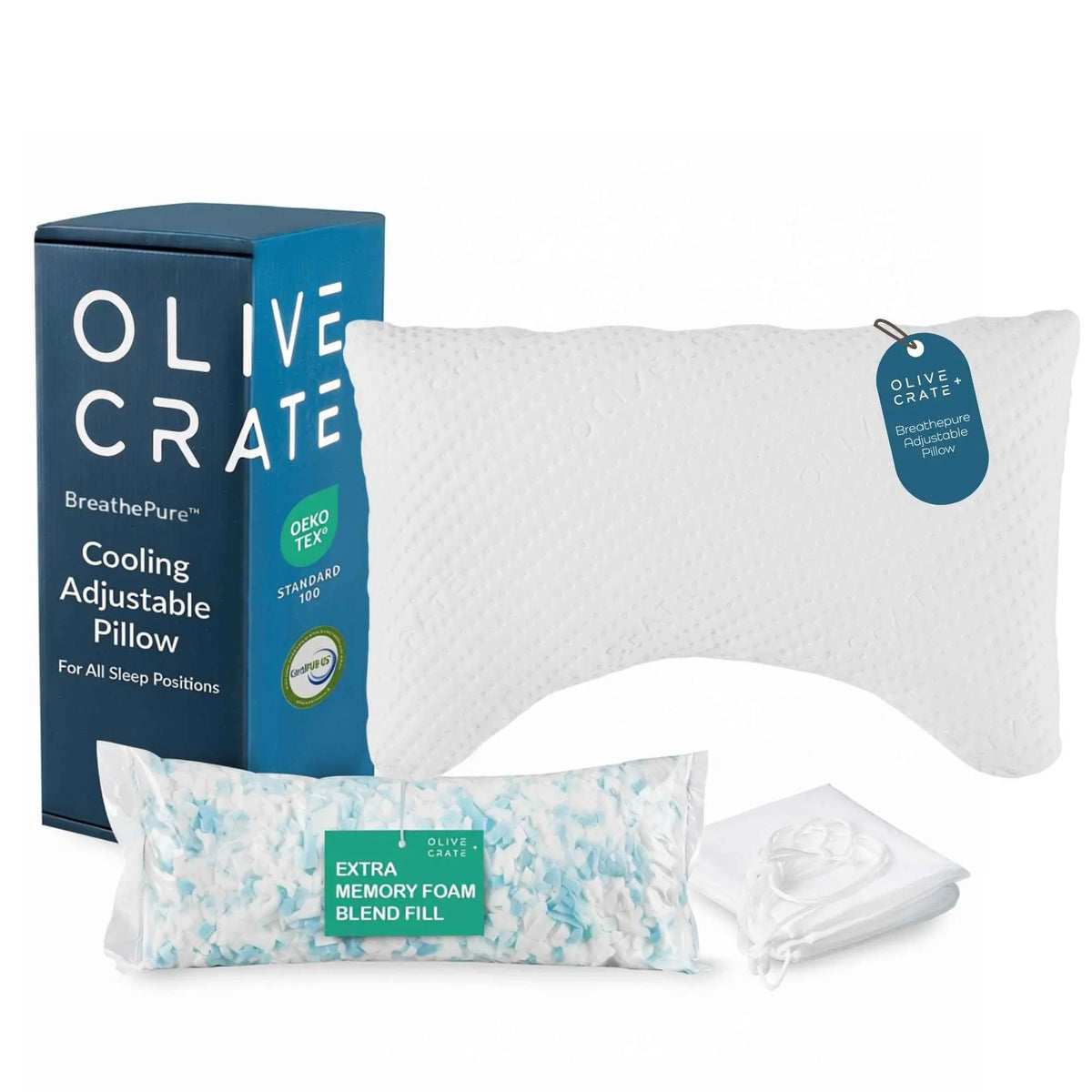
- Choose pillows with breathable fills that release heat
- Stay hydrated during the day to support temperature balance
- Limit alcohol before bed to avoid disrupting cooling cycles
- Take a lukewarm shower to gently lower body temperature
- Wear loose, breathable sleepwear or reduce layers
- Keep bedroom lighting low to prevent excess heat
- Open windows briefly to release trapped daytime warmth
- Avoid heavy or spicy meals late evening
Common Questions About Sleeping Warm
What helps warm sleepers feel more comfortable at night?
Breathable bedding, natural materials, airflow, and flexible layering.
Which fabrics feel coolest for sleeping?
Eucalyptus-based fibers are widely appreciated for their moisture-wicking and cooling properties.
Why do I feel warm even when the room is cool?
Temperature regulation can be influenced by hormones, stress, diet, sleep environment, and bedding materials.
What works well year-round for warm sleepers?
Layered bedding made from breathable, natural fibers.
A Gentle Closing
If you often wake up feeling too warm, the answer is usually simpler than it seems. Thoughtful materials and gentle routines can help your body settle naturally. When your sleep environment works with you, rest feels easier.
At Olive + Crate, we create eucalyptus fiber bedding designed for warm sleepers who value comfort, craftsmanship, and sustainability.
Because rest should feel natural.
Sources
-
Healthline, “Hot Sleep,” on how temperature regulation affects sleep quality and patterns. https://www.healthline.com/health/healthy-sleep/hot-sleep
-
Verywell Health, “Hot Sleeper vs Cold Sleeper,” on differences in sleep temperature tendencies. https://www.verywellhealth.com/hot-sleeper-vs-cold-sleeper-11771843
-
Sleep Foundation, “Why Do I Get So Hot When I Sleep,” on nighttime temperature regulation. https://www.sleepfoundation.org/sleep-faqs/why-do-i-get-so-hot-when-i-sleep



2 comments
Gardena
Hello oliveandcrate.com webmaster, Keep it up!
Hello oliveandcrate.com webmaster, Keep it up!
Thomas Clarence
I like how you mentioned that avoiding too much sun exposure can help you stay cool at night. In addition to that, I would think that it would be a good idea to have tint installed on the windows of your home. I would think that tinted windows would prevent your home from absorbing too much sunlight. https://www.premierqualitywindows.com/windows
I like how you mentioned that avoiding too much sun exposure can help you stay cool at night. In addition to that, I would think that it would be a good idea to have tint installed on the windows of your home. I would think that tinted windows would prevent your home from absorbing too much sunlight. https://www.premierqualitywindows.com/windows