

Most pillows last between one and three years, depending on their materials and how often they are used.
Over time, pillows lose their shape, collect moisture, and become less supportive, even if they still look fine. Knowing how long pillows last and when to replace them helps prevent discomfort, hygiene issues, and restless nights.
How Long Do Pillows Last on Average?
Sleep experts note that most pillows should be replaced every one to two years.
Some materials last longer than others, but no pillow is designed to last indefinitely. Daily use causes gradual breakdown of fibers and fillings, which affects both comfort and cleanliness.
Regular replacement helps maintain proper alignment and reduces buildup from nightly use.
Average Pillow Lifespan by Pillow Type
-
Memory foam pillows: 2 to 3 years before losing responsiveness
-
Down pillows: 1 to 3 years, depending on fill quality
-
Feather pillows: around 1 to 2 years, as feathers compress quickly
-
Latex pillows: 3 to 4 years due to durable structure
-
Down alternative pillows: 1 to 2 years before flattening
-
Bamboo and eucalyptus-based pillows: about 2 to 3 years with proper care
-
Wool pillows: roughly 2 to 3 years
-
Buckwheat pillows: 3 years or longer, often with refillable hulls
-
Cooling pillows: typically 2 to 3 years, depending on construction
Natural and plant-based materials often maintain airflow better over time, which helps slow odor and moisture buildup.
How Often Should You Replace Pillows Based on Use and Care
Instead of focusing only on the calendar, it helps to notice how your pillow feels when you lie down.
Nightly use
Pillows used every night usually need replacing every 12 to 24 months. Daily weight, moisture, and movement cause faster breakdown.
A simple check is how quickly the pillow regains shape. If it stays flat or feels uneven under your head, it is likely worn out.
Guest room pillows
These often last longer due to infrequent use, but should still be replaced if they smell stale or feel flat.
Pillows that spend long periods unused can still absorb moisture and lose freshness, especially if stored without airflow.
Decorative pillows
These are not designed for sleep and should not be used as substitutes for bed pillows, no matter how new they look.
Many people ask how often they should get new pillows because the signs are not dramatic. A common indicator is restlessness.
If you keep shifting your head to get comfortable or feel more aware of the pillow than relaxed on it, the support has likely worn down.
Ongoing trouble getting comfortable in bed is often tied to aging sleep surfaces rather than bedtime routines.
Bad Pillow Symptoms: Signs It Is Time for a Replacement
A worn pillow rarely causes a single, obvious problem. More often, it contributes to small discomforts that become familiar over time.
4 Physical Signs Your Pillow Is No Longer Supporting You
-
A bad pillow can cause headache, particularly in the morning
-
Neck or shoulder stiffness that eases as the day goes on
-
Frequent repositioning during the night
-
A pillow that stays flat or feels uneven despite fluffing
These signs suggest that the pillow is no longer maintaining consistent support throughout the night.
Sleep and Lifestyle Symptoms of a Bad Pillow
Bad pillow symptoms can also show up beyond the neck and shoulders.
Some people notice increased fatigue, overheating, or a general sense of unrest during sleep. Because these changes happen gradually, they are often attributed to stress or routine rather than the pillow itself.
Replacing a pillow does not promise perfect sleep, but it can remove a quiet source of nightly strain that many people live with longer than necessary.
Does Pillow Price Affect How Long It Lasts?
Price alone does not determine longevity, but it often reflects material quality and construction.
Do More Expensive Pillows Last Longer?
In many cases, yes.
Higher-quality pillows tend to use denser fills, stronger stitching, and materials that recover their shape instead of staying compressed. They also tend to manage moisture better, which slows odor buildup and material fatigue.
Cheaper pillows often rely on lightweight fills that flatten quickly. Once that structure is gone, no amount of fluffing brings it back. This is why lower-cost pillows often need replacing sooner, even if they feel fine at first.
A useful test is compression. If a pillow stays flat after you press it, it is already breaking down, regardless of what it costs.
Are More Expensive Pillows Better for Sleep Health?
Not automatically.
A well-made pillow that suits your sleep position and temperature preferences will do more for comfort than a poorly designed expensive one. That said, pillows made with breathable, natural, or adjustable materials tend to age more predictably and feel consistent night after night.
From a sustainability perspective, buying fewer pillows that last longer often results in less waste than replacing inexpensive ones every year.
Longevity, not luxury, is where value usually shows up.
How to Extend the Life of Your Pillow Naturally
Pillows wear out through pressure, moisture, and neglect. Small habits can slow that process and help a pillow feel better for longer.
-
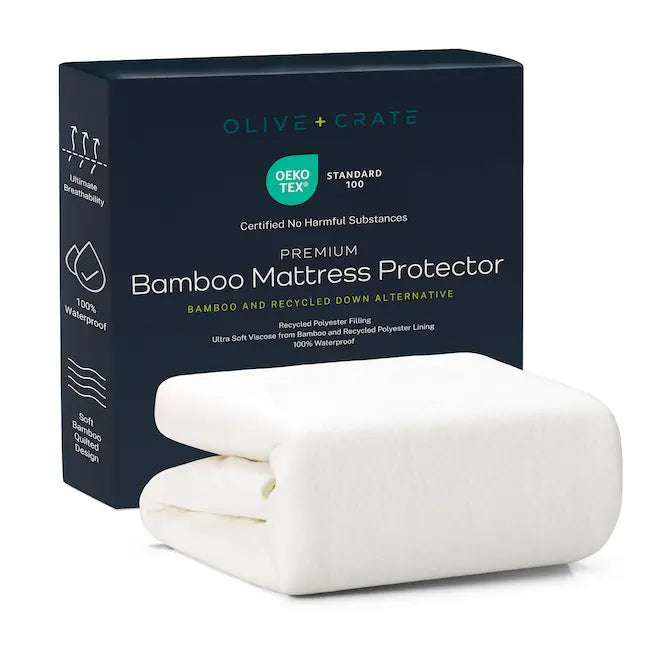
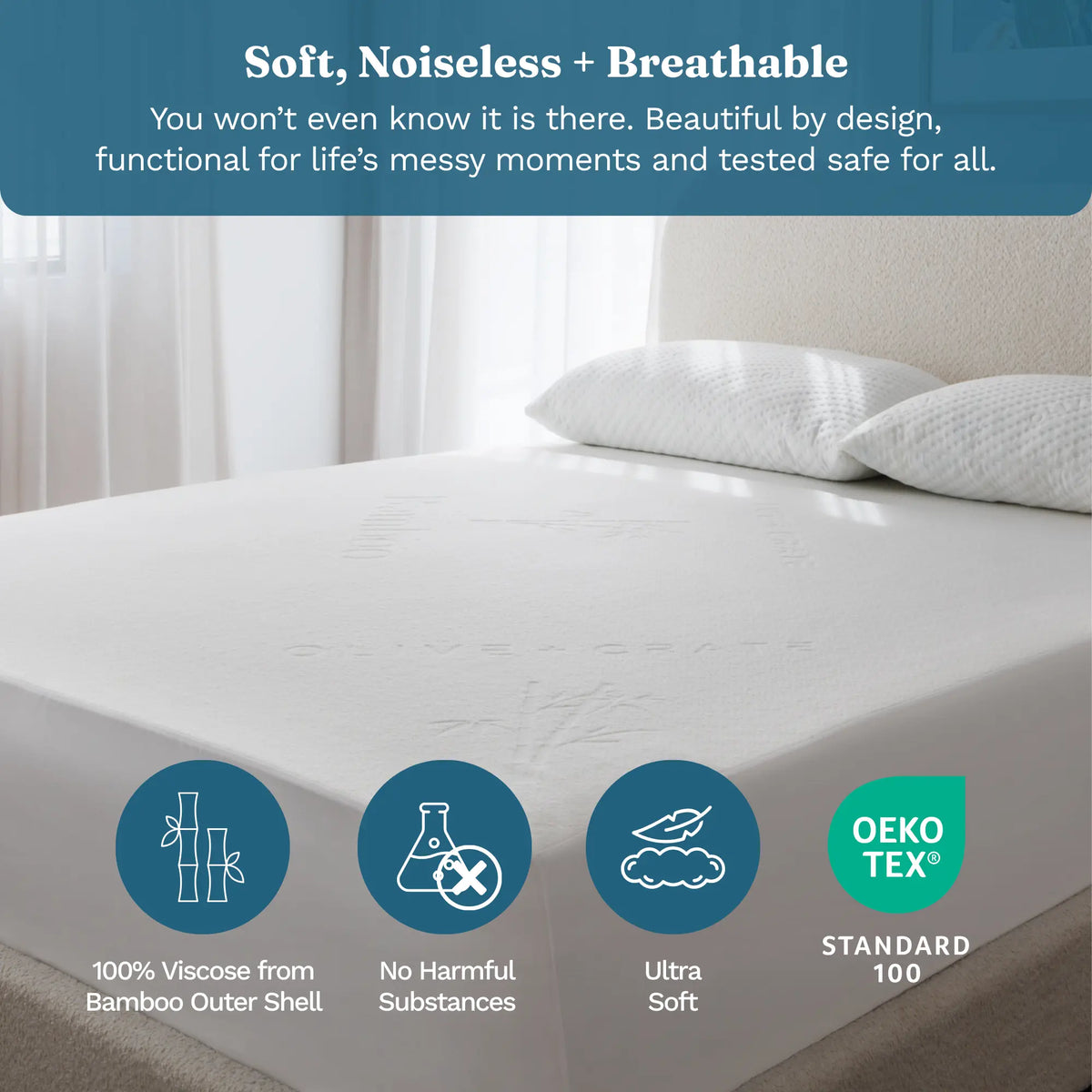
Use a breathable protector: This reduces moisture absorption without trapping heat.
-
Air pillows regularly: Letting pillows breathe helps release trapped humidity and odors.
-
Wash with care: Follow material-specific guidelines and avoid over washing, which weakens fibers.
-
Store thoughtfully: Keep pillows in dry, ventilated spaces. Avoid sealed plastic for long-term storage.
Another factor that often gets overlooked is adjustability.
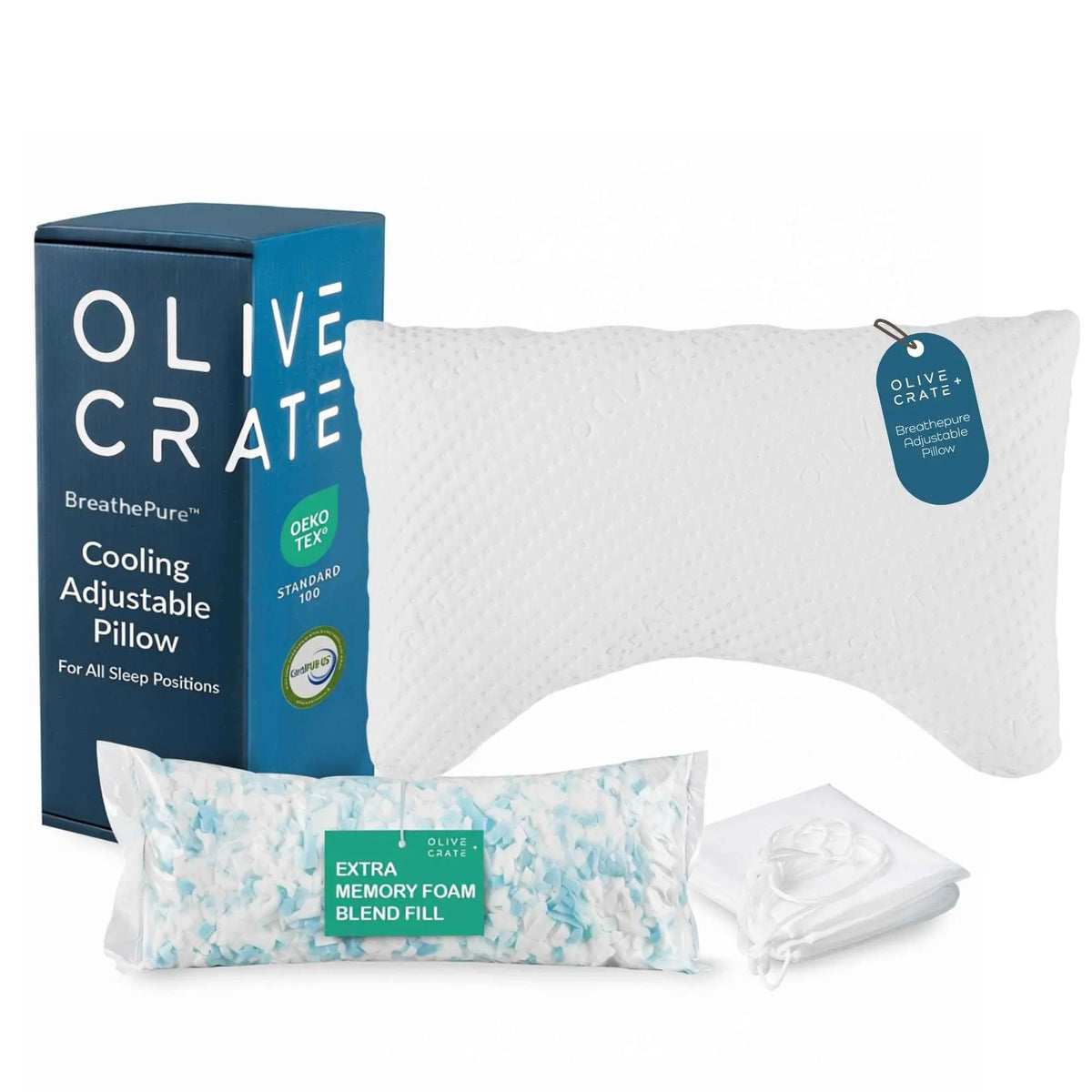
Pillows that allow you to add or remove fill adapt as your needs change, rather than becoming obsolete when preferences shift. This flexibility can meaningfully extend how long a pillow stays comfortable and usable.
Extending a pillow’s life is less about maintenance routines and more about choosing designs that anticipate wear instead of ignoring it.
Choosing a Pillow That Lasts Longer and Sleeps Better
Material choice plays a significant role in longevity and comfort.
Why Natural and Eucalyptus-Based Fibers Age Better
Natural fibers allow better airflow, manage moisture more effectively, and resist buildup. They tend to feel cooler against the skin and are often more suitable for sensitive sleepers.
Vegan, plant-based materials also align with lower-impact living and long-term use.
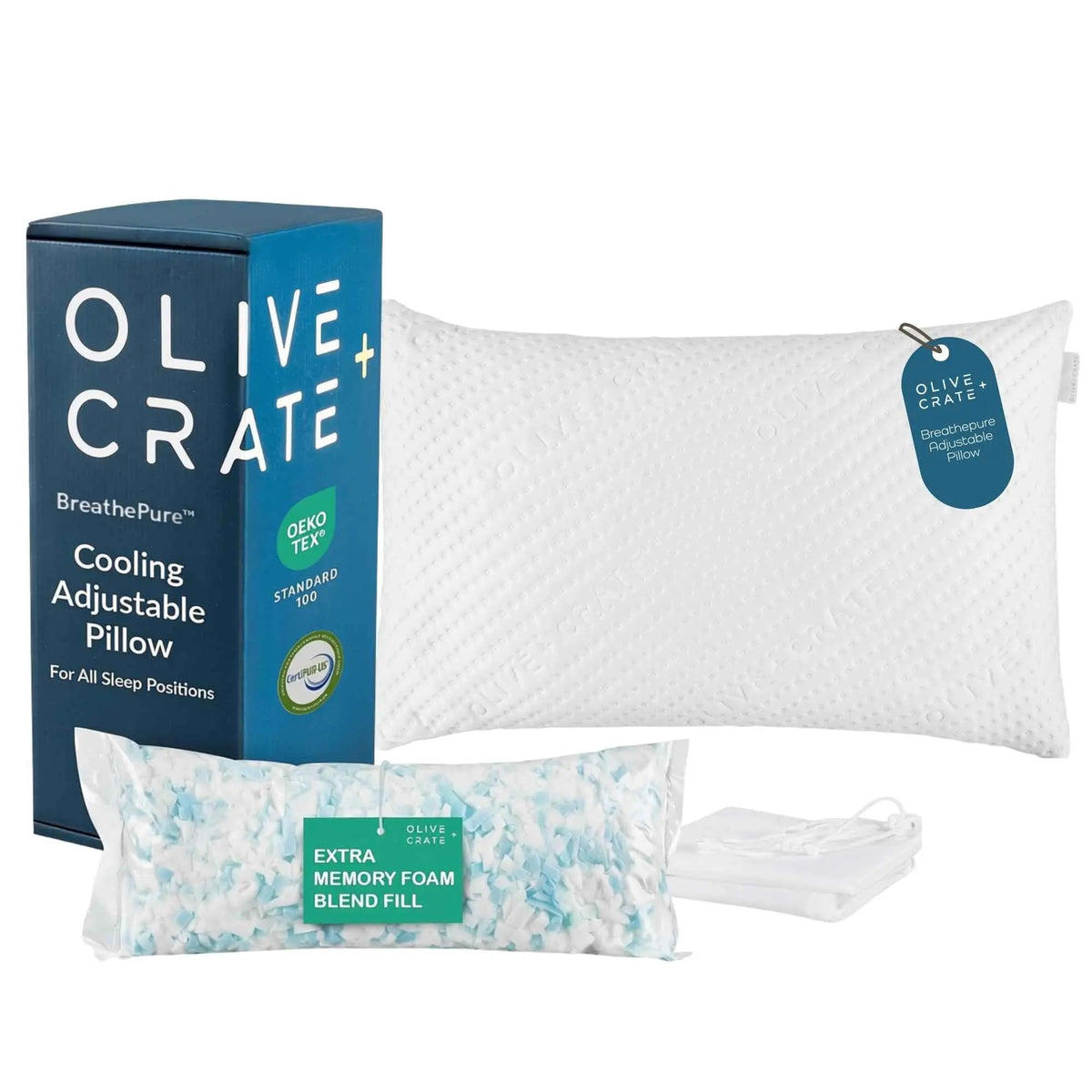
For those interested in a cooling, adjustable option designed with durability in mind, the BreathePure Cooling Adjustable Pillow offers one example of how breathable materials and considered construction can work together.
Final Thoughts: Rest Is a Ritual Worth Renewing
Replacing a pillow is not about following strict timelines. It is about noticing when comfort changes and responding with care.
Thoughtful materials, regular replacement, and mindful upkeep all contribute to a calmer, more supportive sleep environment. Small, practical choices often have the greatest impact over time.