

Some upgrades add value on paper. Others add ease, comfort, and a quieter kind of satisfaction. The sweet spot is when you can do both.
What Makes a Home Upgrade Truly Worth It?
The home upgrades that are worth it are usually the ones that solve a real problem, not the ones that simply look impressive.
A practical upgrade tends to check at least a few of these boxes:
✔ It removes a daily annoyance.
Like a bathroom fan that actually clears steam, or a door that no longer sticks in winter.
✔ It improves how a space feels physically.
Better airflow, softer lighting, quieter rooms, less glare, fewer sharp corners in your routine.
✔ It holds up over time.
Materials matter. So does workmanship.
✔ It makes cleaning easier.
The best upgrades don’t create more surfaces to dust. They simplify.
✔ It has resale appeal.
This is a bonus, not the entire point.
If You’re Selling: Home Upgrades Without Major Renovation
Not every value-boosting project needs a contractor and a six-month timeline.
Here are the updates that buyers consistently notice, even when they don’t name them directly:
Minor kitchen updates
A full kitchen renovation is rarely necessary. What buyers respond to is a kitchen that feels clean, current, and functional.
Swapping dated hardware, updating lighting, and replacing an old faucet can make the space feel refreshed without touching the layout.
Bathroom ventilation and lighting
Bathrooms are where people notice discomfort fast. A weak fan, harsh lighting, or fixtures that look tired can make the entire room feel neglected.
Improving ventilation and lighting is one of the simplest ways to make a bathroom feel cleaner and more modern.
Entryway curb appeal
The front door sets expectations. Even small improvements like fresh exterior lighting, a clean walkway, and a tidy porch create a sense of arrival.
Buyers often decide how they feel about a home before they’ve seen the living room.
Neutral paint where it counts
The goal isn’t to strip the house of character. It’s to help buyers focus on the bones of the home instead of the color on the walls.
Flooring updates only when necessary
Floors can be expensive. They’re worth it when the existing flooring looks worn or mismatched, not just because trends changed.
If you want a grounded way to think about value, annual remodeling cost-versus-value reports are one of the few widely-used resources that consistently compare typical project costs with resale outcomes.
For Immediate Impact: Small Home Upgrades You Can Do
Some of the most satisfying upgrades cost less than a single trip to a home store when you’re feeling impulsive.
Here are a few that tend to make a room feel noticeably better:
-
Replace harsh bulbs with warmer ones in the rooms you use at night
-
Add a second light source to any room that relies on one overhead fixture
-
Raise curtain rods closer to the ceiling for a cleaner, taller look
-
Swap cabinet hardware that feels sticky, sharp, or dated
-
Add soft-close bumpers to cabinets and drawers
-
Replace yellowed switch plates and outlet covers
-
Improve nightstand lighting so it feels gentle, not glaring
-
Declutter one visible surface that always collects random items
-
Add hooks near the entry so bags stop landing on chairs
-
Replace one “always messy” bin with a better-fitting storage solution
These upgrades land better in a space that already feels manageable. A quick reset helps.
Even something as simple as following a plan for getting a bedroom clean in 15 minutes can shift the baseline before you start changing fixtures or hardware
New Home? Do These Upgrades Before Furniture Gets in the Way
Before moving furniture in
This is when you want to tackle anything that’s messy, loud, or hard to do later.
-
Paint
Even if you only paint a few rooms, doing it before your home is full saves time and frustration.
-
Flooring adjustments
Replacing a worn carpet or fixing squeaky boards is easier when rooms are empty.
-
Lighting replacements
This is a great time to replace dated fixtures or add dimmers.
-
Outlet upgrades
If you need additional outlets, USB ports, or safer placements, it’s best to address it early.
After 30 days of living there
Once you’ve lived in the home, you start noticing what’s actually missing.
-
Storage solutions
You’ll learn quickly where clutter gathers and why.
-
Traffic flow adjustments
Furniture placement, entryway setup, and daily pathways become obvious.
-
Comfort refinements
This is where you start tuning the home to your habits, not the previous owner’s.
Approaching the house room by room prevents overwhelm.
A structured checklist for decluttering each space without turning it into a weekend-long overhaul keeps early upgrades intentional instead of reactive.
For Daily Comfort: Quality-of-Life Upgrades You Feel Every Day
Not every upgrade is about resale. Some upgrades are simply about how it feels to live in your home.
Lighting That Softens Evenings
A single overhead fixture can make even a beautiful room feel flat. Layered lighting changes that.
A warm lamp in the corner, a dimmer in the dining area, and a bedside light that isn’t harsh can make your home feel calmer without changing a single piece of furniture.
Storage That Reduces Daily Reset Time
The goal is not perfection. It’s less repetition.
When you have a hook where you naturally reach, or a basket where you naturally drop things, your home stays more organized with less effort. That’s the kind of upgrade you feel every day, even if you never call it an upgrade.
Bedroom Comfort That Changes How You Wake Up
Bedroom upgrades tend to be underestimated because they’re not always visible to guests. But they affect your body, your energy, and your mornings.
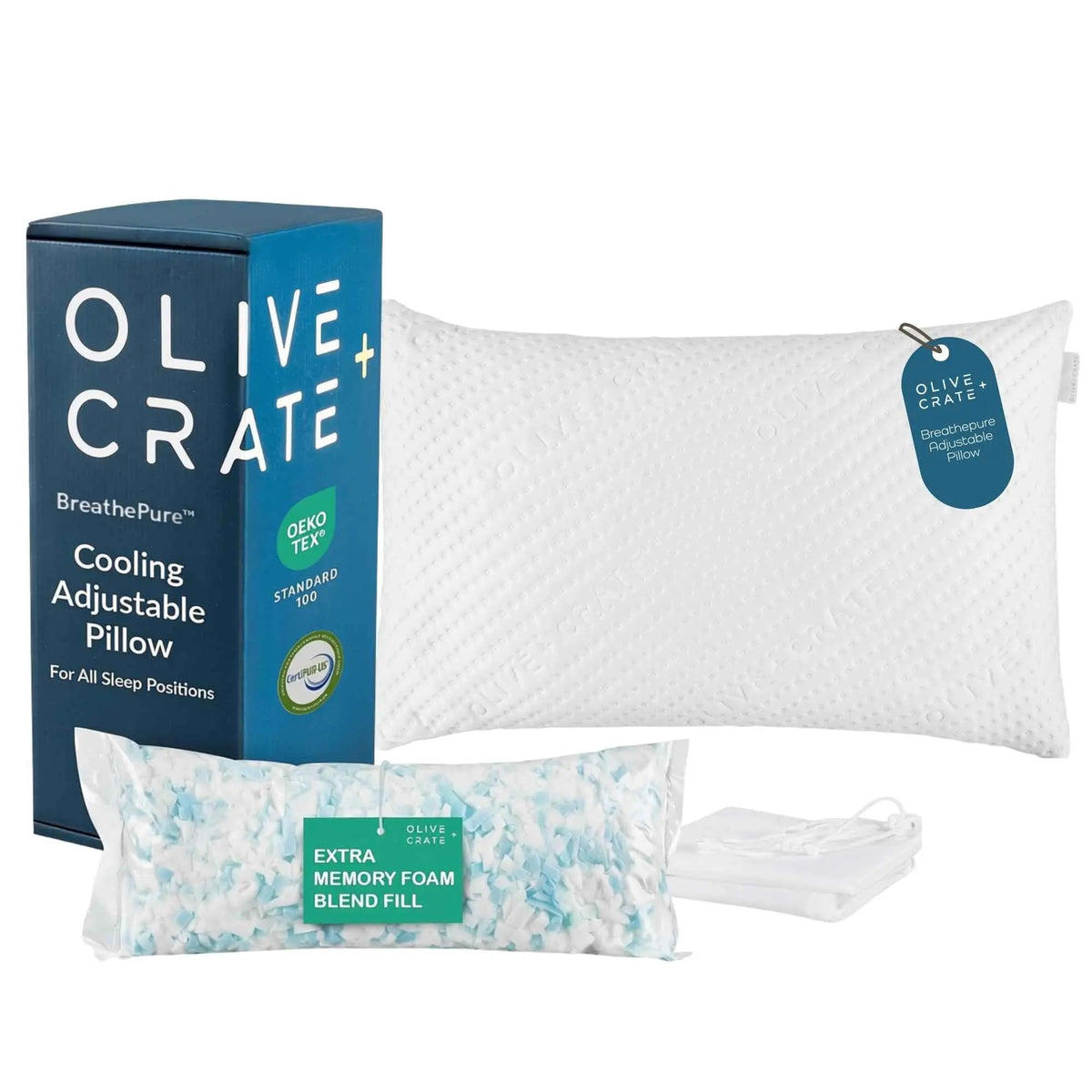
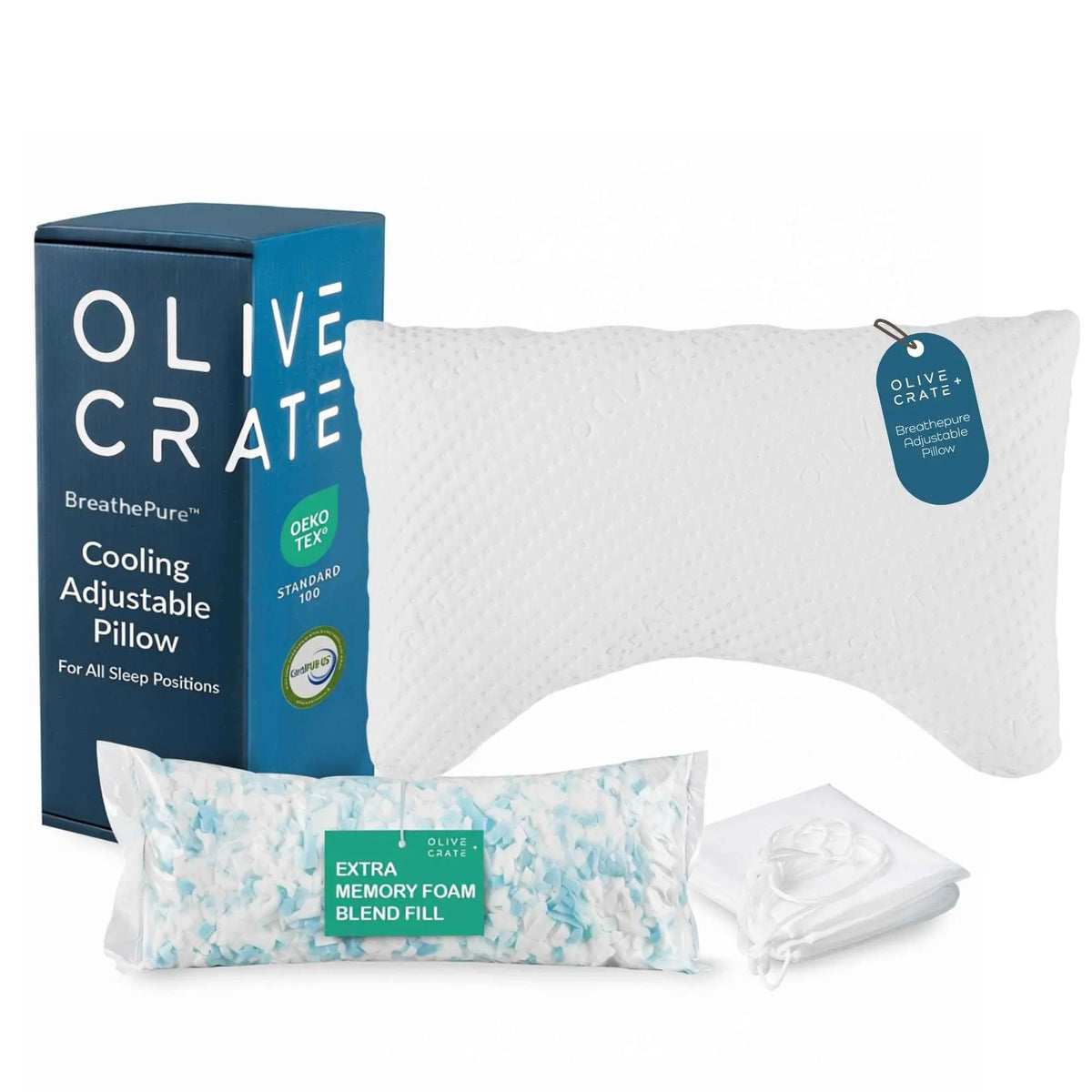
A supportive pillow can change how your neck and shoulders feel when you wake up, especially if you’re someone who shifts positions during the night.
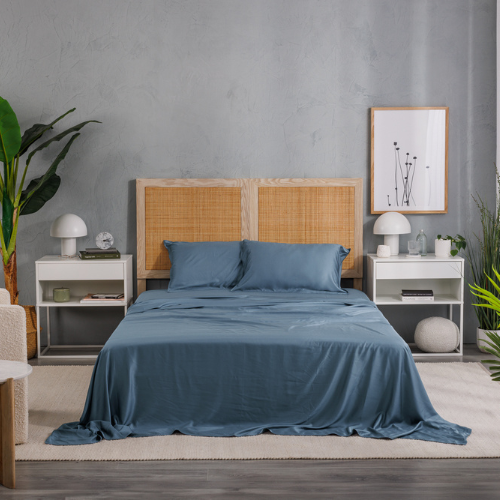
And if you’re building a bedding setup from scratch, it helps to understand how sheets, duvet covers, and materials work together without overbuying:
For a More Modern Home: Cool Upgrades That Aren’t Gimmicky
Some upgrades are simply fun. They’re not essential. But when they’re done thoughtfully, they make a home feel current without feeling like it’s trying too hard.
A few that tend to age well:
Motion-sensor pantry lighting
Especially helpful when your hands are full.
A hidden charging drawer
Keeps counters calmer and cords out of sight.
A bathroom mirror defogger
Small luxury, surprisingly practical.
Smart switches, used selectively
Not every light needs to be smart. But entryways and bedside lamps can benefit.
Quiet-close doors and hardware
It’s one of those upgrades you feel more than you see.
For Better Sleep: Bedroom Upgrades That Are Worth It Long-Term
The bedroom is where material quality becomes tangible. Breathability, texture, and durability matter more here than almost anywhere else.
These are the home upgrades that are worth it because you experience them every night.
Breathable sheets that regulate temperature
Sheets sit directly against your skin for hours. Fabric choice affects airflow, moisture management, and comfort across seasons.
A breakdown of what to look for in breathable sheets that stay cool and feel clean throughout the night helps clarify why fiber composition matters.
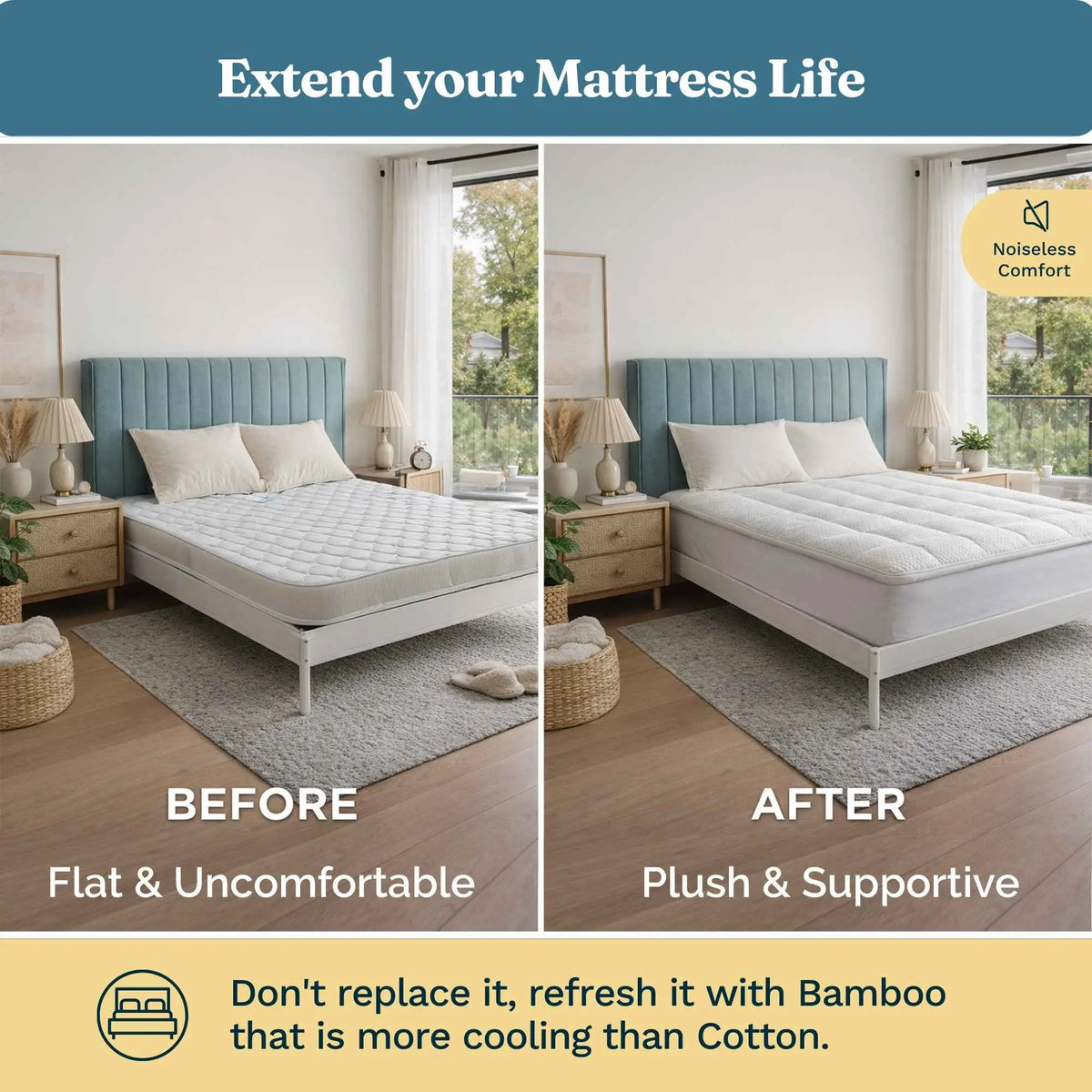
Mattress protection that preserves feel
Protection should not come at the cost of comfort. A well-designed layer sits quietly beneath your fitted sheet, shielding against spills without trapping heat.
Many sleepers prefer a bamboo mattress protector that stays soft and nearly silent under movement.
Hypoallergenic materials for a calmer sleep space
Bedrooms accumulate dust and microscopic irritants over time. Fabric structure plays a role in how much gets trapped and how easily it washes away.
Learning which hypoallergenic bedding materials help reduce dust, pet dander, and common airborne irritants gives context to smarter material choices.
Sustainable fabrics that hold up
Durability and environmental responsibility often intersect in fiber production. Closed-loop processes used in TENCEL™ lyocell manufacturing are designed to reuse solvents and reduce waste.
For sleepers who run warm, a TENCEL™ lyocell sheet set engineered for breathability and a smooth, cool finish can quietly transform how the bed feels night after night.
Comfort that lasts tends to outshine trends that fade.
A Simple Home Upgrades List by Budget
Sometimes you don’t need more ideas. You need a clean shortlist. This home upgrades list is designed for quick reference.
Under $100
-
Warm light bulbs and one extra lamp
-
New cabinet hardware
-
Fresh caulk in a bathroom
-
Touch-up paint for trim
-
Updated switch plates and outlet covers
$100–$500
-
Better curtain rods and curtains hung higher
-
Entryway hooks and storage
-
Ventilation fan replacement (if needed)
-
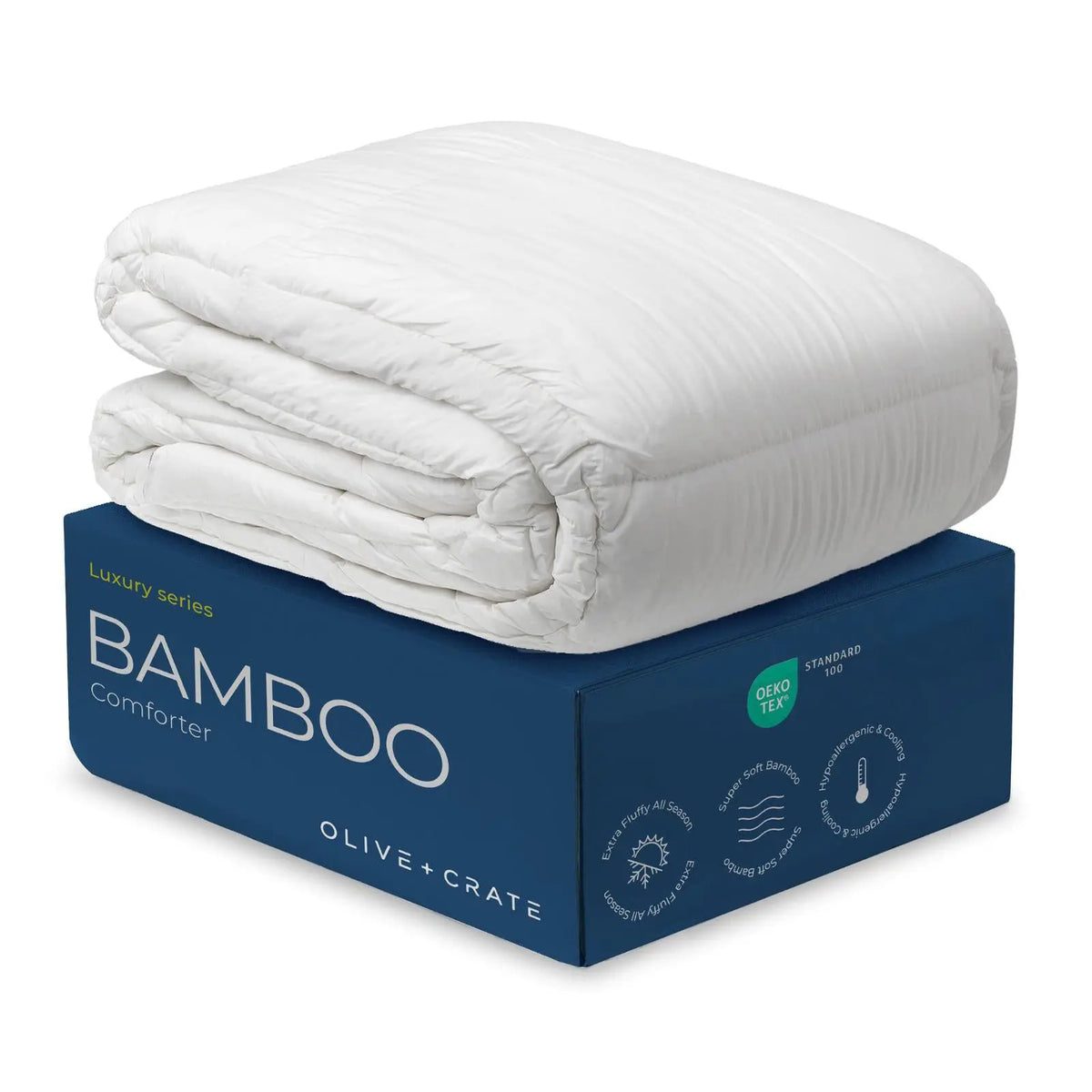
Upgraded bedding basics
-
Simple closet organization system
$500+
-
Appliance upgrades when the old ones are unreliable
-
Flooring replacement only when necessary
-
Built-ins or custom storage in problem areas
-
Lighting fixture replacements throughout the home
Still Deciding? Here’s How to Choose the Upgrades You Should Make
If you’ve been saving posts, pinning ideas, and still feeling unsure, you’re not alone. The hardest part is not finding options. It’s choosing the ones that actually fit your life.
When you’re thinking about upgrades you should make, these questions tend to bring things into focus:
-
What frustrates you weekly?
-
What feels cramped or cluttered no matter what you do?
-
What space do you avoid using because it feels unpleasant?
-
What would make mornings smoother in a practical way?
-
What would make evenings feel calmer without adding more chores?
Conclusion
The most meaningful upgrades tend to fall into three categories: value, comfort, and simplicity. Some changes help a future buyer see your home clearly. Others help you live in it with less friction and more ease.
Small upgrades can shift the mood of a room faster than people expect. And the best upgrades are usually the ones that quietly support your everyday routines, without demanding constant attention.