

If you’ve been craving a reset, this decluttering checklist is here to guide you gently, one room at a time. No rush. No pressure. Just thoughtful steps toward a home that feels lighter and more supportive of the life you want to live.
Whether you’re easing into a new year declutter, trying a January declutter challenge, or finally ready for a full house purge checklist, this guide meets you where you are.
Why Decluttering Feels So Good (and Helps You Rest Better)
Before we dive into the lists, let’s pause for a moment.
The benefits of decluttering go far beyond tidy shelves. A calmer home reduces visual noise, which helps your nervous system slow down, especially at night.
When your bedroom isn’t crowded with unused items or unfinished to-dos, your mind has permission to rest. We know how good it feels to wake up refreshed.
Decluttering is one of the most gentle ways to support better sleep, clearer mornings, and quieter evenings.
Think of this as decluttering for the new year, but without the harsh rules.
How to Use This Decluttering Checklist
This is a room by room decluttering checklist, designed to be flexible.
-
Tackle one room at a time
-
Stop when you feel tired (rest counts)
-
Keep what supports your daily rhythms
-
Release what no longer serves your home or body
If you’re feeling overwhelmed, try reverse decluttering: start by choosing what stays, rather than focusing on what goes.
Entryway Decluttering Checklist: Create a Calm Arrival
Your entryway sets the emotional tone for your entire home.
If it feels crowded, your nervous system notices.
What to declutter first:
-
Shoes you haven’t worn in the last season
-
Coats that don’t fit your current climate or lifestyle
-
Bags you always skip past
-
Old mail, receipts, flyers
-
Loose keys with no clear purpose
Practical reset tips:
-
Limit shoes to what fits in one row or basket.
-
Keep only one everyday bag within reach.
-
Create one landing spot for keys and essentials.
-
Clear the floor completely, if possible.
When you walk in and nothing demands your attention, your body can soften.
Living Room Decluttering Checklist: Make Space to Unwind
This room holds energy. Conversation. Rest. Noise. Clutter here lingers.
Things to declutter:
-
Decor you’ve stopped noticing
-
Extra throw pillows that live on the floor
-
Blankets you never reach for
-
Stacks of magazines or papers
-
Cords, remotes, or tech you no longer use
Practical guidance:
-
Keep surfaces mostly clear. One or two intentional objects is enough.
-
Store remotes and cords out of sight.
-
Choose textures over quantity.
-
Let negative space exist.
A calmer living room invites longer pauses. And quieter evenings.
Kitchen Decluttering Checklist: Reduce Daily Friction
The kitchen is where clutter shows up fast. And adds stress quietly.
Start here:
-
Duplicate utensils or tools
-
Gadgets used once and forgotten
-
Expired pantry items
-
Mismatched food containers
-
Overflowing junk drawers
Declutter with intention:
-
Keep one version of each tool.
-
Store only what you use weekly within reach.
-
Group items by task, not by type.
-
Clear one drawer or cabinet at a time.
Helpful rule:
If it slows you down or crowds your counters, it doesn’t belong there.
Less visual noise means calmer mornings.
Bedroom Decluttering Checklist: Protect Your Sleep
Your bedroom should support rest. Not decision-making.
Things to declutter first:
-
Clothes draped on chairs
-
Overfilled nightstands
-
Old books or papers
-
Bedding that’s worn, scratchy, or past its prime
Practical bedroom reset:
-
Keep nightstands simple. Lamp. Book. Water.
-
Store nothing under the bed that creates anxiety.
-
Rotate seasonal clothing out of sight.
-
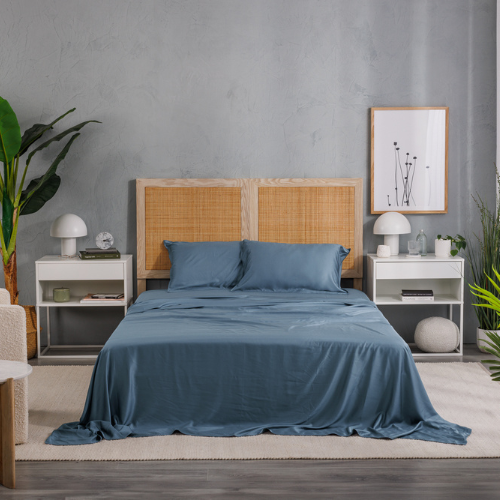
Let bedding feel intentional, not accidental.
Fresh, breathable sheets matter more than we realize.
Knowing when to replace them - and how often to wash them - keeps your sleep space feeling clean without excess:
If decluttering sparks the urge to reset the entire space, this seasonal bedroom guide is a gentle place to continue.
Bathroom Decluttering Checklist: Simplify the Ritual
The bathroom is a space of daily care. Too much clutter turns routine into overwhelm.
Declutter these areas:
-
Expired skincare and makeup
-
Products you tried but never loved
-
Half-used bottles you’re holding onto “just in case”
-
Towels that no longer feel soft or absorbent
Reset tips:
-
Keep only what you use daily on the counter.
-
Store backups out of sight.
-
Limit products per category.
-
Create a visual breathing room around the sink.
When your morning starts simply, your whole day feels steadier.
Closet Decluttering Checklist: Dress With Ease
Closets affect how we feel about ourselves, often without us realizing it.
What to let go of:
-
Clothes that don’t fit your current body
-
Items you’re saving for a different life
-
Shoes that cause discomfort
-
Accessories that complicate getting dressed
Practical guidance:
-
If you wouldn’t wear it this week, question it.
-
Group outfits by category.
-
Leave space between hangers.
-
Keep only what makes mornings easier.
This step can be emotional. That’s okay. Move gently.
Office or Workspace Decluttering Checklist: Clear Mental Load
Visual clutter drains focus. Even in small doses.
Declutter these first:
-
Old paperwork
-
Cables without a known purpose
-
Supplies you haven’t touched in months
-
Decorative items that distract
Practical reset:
-
Keep only one or two essentials on your desk.
-
Store everything else out of sight.
-
Create one “active work” zone.
-
Remove anything unrelated to focus.
Clear space supports clearer thinking.
Laundry & Utility Areas: Reduce Background Stress
These spaces quietly hold chaos. And it adds up.
Things to declutter:
-
Empty or expired cleaning products
-
Single socks with no match
-
Towels past their useful life
-
Random tools with no home
Helpful approach:
-
Assign every item a place.
-
Limit backups.
-
Keep floors clear.
-
Store items vertically when possible.
When these areas feel ordered, chores feel lighter.
Decluttering Is an Act of Care
A calmer home supports deeper sleep. Fewer distractions invite slower evenings. And intentional spaces remind us that rest is something we’re allowed to protect.
Take your time. Move softly. Your home will meet you there.