
World Sustainability Month often brings everyday choices into sharper focus, including bedding.
Sustainable bedding usually means lower-impact fibers, responsible production, and fabrics that hold up over time.
Labels help, but processing, certifications, and durability often reveal more.
What Makes Bedding Sustainable?
A bedding product starts to feel sustainable when three things work together:
-
Lower-impact fiber
-
Responsible processing
-
Durability that reduces frequent replacement
A single claim rarely covers all three. Natural fiber alone does not guarantee lower impact, and durability alone does not explain how a fabric was made.
Why Material Still Comes First
Fiber shapes most of the product before weaving begins. Water demand, pesticide use, land requirements, and renewability all start here.
Organic cotton remains widely used because it avoids many of the pesticides common in conventional cotton farming.
Linen and hemp usually need fewer agricultural inputs and tend to last exceptionally well.
Why Processing Changes The Outcome
Fiber origin only explains part of the product.
Two fabrics can begin with plant cellulose and still behave very differently once they reach the bed, which becomes clearer when comparing lyocell vs viscose.
Softness may feel similar at first, but production methods and long-term wear quickly separate them.
A material supports a sustainability claim more clearly when sourcing and processing point in the same direction.
Common Sustainable Fibers
A few fabrics appear repeatedly because they balance lower-impact potential with long-term practicality:
-
Organic cotton
-
Lyocell
-
Linen
-
Hemp
-
Bamboo-derived viscose
The stronger choice usually depends on how the fabric performs after months of regular use.
Sustainable vs. Eco-Friendly: Is There a Difference?
These labels often appear together, but they describe different things.
Eco-friendly usually refers to one reduced environmental impact, such as recycled packaging or lower-impact dyes.
Sustainable asks for a broader view:
-
Material sourcing
-
Production method
-
Product lifespan
-
Resource use over time
Ethical claims usually refer to labor standards and supply chain visibility.
What Labels Often Leave Out
Short labels rarely explain how the fabric was actually made.
Packaging is easy to show. Material processing is harder to explain, even though it usually shapes the product more.
Clear sourcing matters more than broad wording, which is why our sustainability approach explains how material decisions are made before a fabric reaches the finished product.
Which Certifications Actually Matter?
Certifications help when product language becomes too broad.
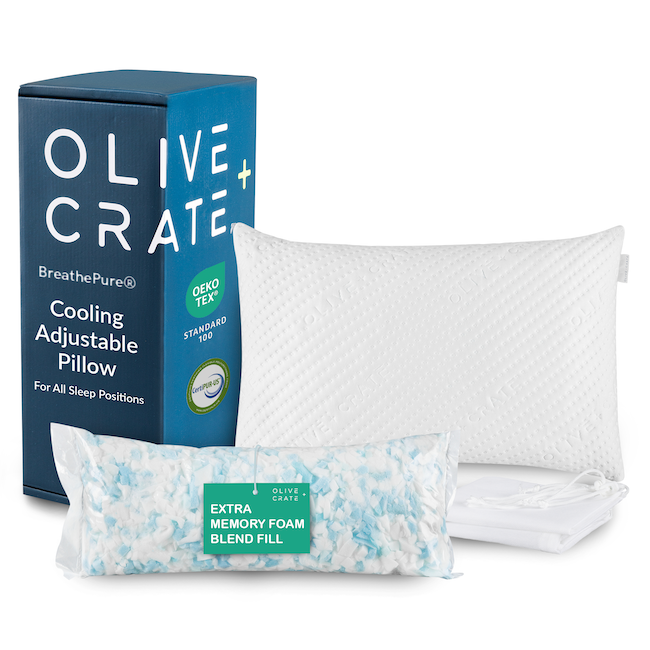
OEKO-TEX® usually matters first because it focuses on harmful substances in finished textiles.
Bedding stays in direct contact with skin for hours every night, so chemical safety matters quickly.
Other certifications answer different questions:
-
GOTS covers organic fiber standards and parts of manufacturing
-
FSC applies to responsibly sourced wood-based fibers
-
Fair Trade relates more directly to labor practices
Chemical testing becomes easier to understand once OEKO-TEX® bedding is viewed in the context of what remains in fabric after production.
Why Ethics Still Matter
Certification does not explain everything.
A fabric may meet one standard while saying very little about sourcing or production conditions.
Ethical sustainable bedding becomes easier to trust when those details are stated clearly.
Is Bamboo Always Sustainable?
Where Bamboo Fits, and Where It Gets Complicated
Bamboo stays popular because the raw plant grows quickly, regenerates easily, and turns into fabric that feels noticeably smooth against the skin.
Bamboo-derived bedding is often chosen for:
-
Smooth texture
-
Lightweight feel
-
Moisture control
-
Cooling comfort
That combination keeps sustainable bamboo bedding appealing, especially for warm sleepers and anyone who prefers lighter fabrics.
The complication begins after harvest. Most bamboo bedding becomes viscose or rayon through chemical conversion, and that stage often determines whether the final fabric still supports a lower-impact claim.
Softness often puts bamboo into the conversation first, but production differences usually make TENCEL™ over bamboo worth a closer look.
Fast growth alone does not automatically lead to lower-impact bedding.
Why TENCEL™ Keeps Entering The Conversation
TENCEL™ continues to stand out because its production system keeps most of the solvent in circulation rather than releasing it during processing.
That closed-loop approach lowers waste while preserving softness and breathability.
Water use, land demand, and solvent recovery also become easier to compare once TENCEL™ environmental impact is viewed alongside cotton and linen.
The fabric also tends to hold texture well after repeated washing, which matters when bedding is expected to stay comfortable for years.
Which Sustainable Bedding Works Best For Daily Sleep?
The most sustainable fabric still has to suit daily life.
For Heat Regulation
Lyocell and linen usually stay cooler because airflow moves more easily through the weave.
For Sensitive Skin
Certified smooth fibers often feel more stable against skin that reacts easily to rougher surfaces.
For Year-Round Use
Cotton sateen often works well when softness matters across changing temperatures.
A quick comparison usually helps:
-
Hot sleepers → lyocell / linen
-
Sensitive skin → certified smooth fibers
-
Cooler sleepers → cotton sateen
Why Material Performance Matters
Plant-based fibers release heat differently than synthetic bedding fabrics, especially once warmth and moisture build through the night.
Polyester and microfiber often feel smooth at first, but airflow usually changes the experience after several hours of sleep.
The right material usually becomes obvious after regular use.
Why Comfort Still Counts
A fabric that feels wrong rarely stays on the bed long enough to count as a thoughtful choice.
Heat retention usually becomes noticeable first. Breathable fabrics often stay in rotation longer because they continue to feel right through changing temperatures.
Texture usually tells the truth after repeated washing. That is often when the best sheets for sleep narrows down to material rather than finish or thread count.
Why Hygiene Still Matters
Washability shapes longevity more than it first seems.
Moisture retention, drying time, and shape recovery all affect how bedding ages.
Regular washing habits shape longevity just as much as fiber choice, which is why healthy bedding habits belong in any conversation about bedding that is meant to last.
Good bedding should stay easy to live with.
How To Choose Sustainable Bedding Well
What To Check Before Buying
A few details usually tell you enough before buying.
A Simple Buying Checklist
-
Fiber source
-
Certification
-
Fabric construction
-
Wash durability
-
Brand transparency
Organic sustainable bedding becomes easier to trust when those details are clear.