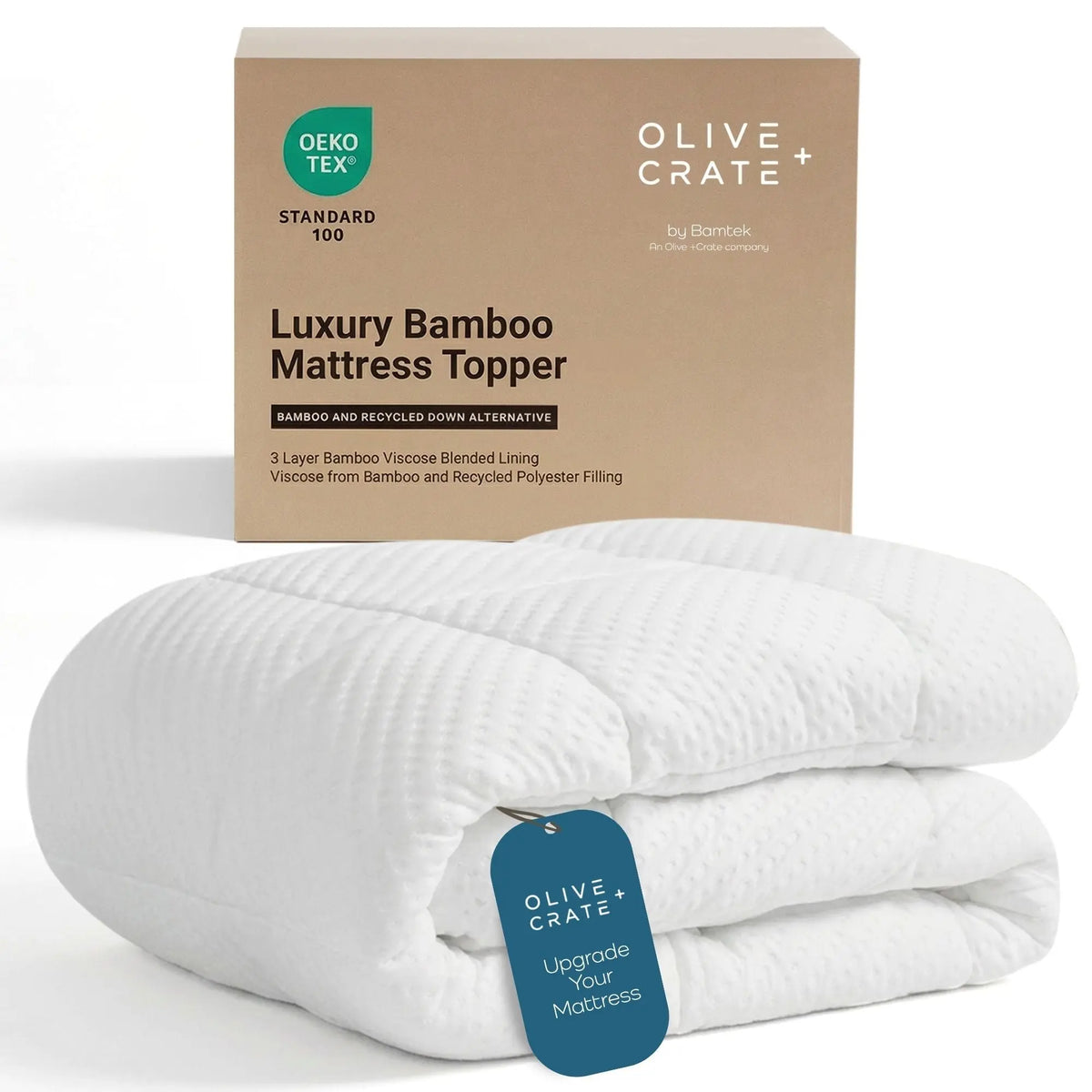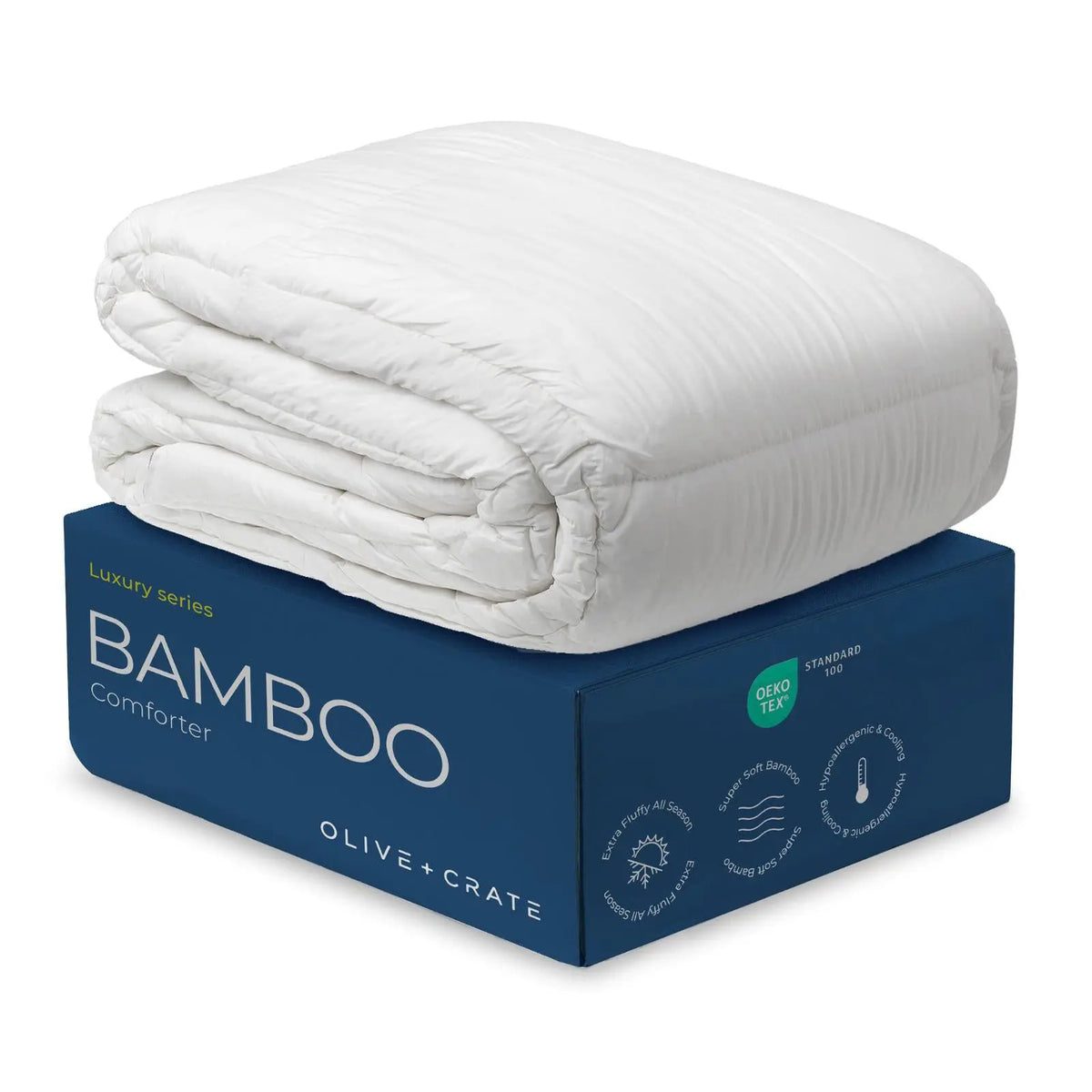


OEKO-TEX® is one of the labels many people notice when comparing sheets, especially when they want to know whether a fabric has been tested for harmful substances.
It does not tell you how a sheet will feel, but it does offer a clearer standard for what has been checked before it reaches your bed.
Key Takeaways:
-
OEKO-TEX® means a finished textile has been tested for harmful substances
-
Standard 100 is the label most often found on sheets and bedding
-
Certification does not mean organic or chemical-free
-
Fabric, weave, and construction still shape comfort more than certification alone
What OEKO-TEX® Certified Means
What the certification tests for
OEKO-TEX® means a finished textile has been tested for harmful substances before it reaches the market.
For sheets, that testing covers the full product, not just the main fabric.
Thread, elastic, trims, closures, and any applied finishes are all included because every part of the sheet comes into contact with daily use.
Under OEKO-TEX® Standard 100, testing can include substances such as:
-
formaldehyde
-
heavy metals
-
pesticide residue
-
certain dyes linked to skin irritation
The label is not claiming that sheets contain no chemical processing at all.
It means the final product stays within limits considered safe for regular skin contact.
What Standard 100 means
When OEKO-TEX® appears on bedding, it usually refers to Standard 100.
It means the finished item has passed testing component by component, not just the main fabric surface.
Here’s an in-depth look at what the standard 100 label confirms in bedding and why this distinction matters when comparing products.
Is OEKO-TEX® Safe?
What safety means in textile certification
Sheets stay close to the skin for hours at a time, so it makes sense that people pay attention to what has been tested before a fabric reaches the bed.
OEKO-TEX® means the product has passed testing against OEKO-TEX limit values for harmful substances.
It does not mean the fabric is chemical-free.
It means the finished textile has been checked against thresholds designed for repeated everyday contact.
That same daily contact is also why what builds up in sheets over time matters more than many people realize.
Is OEKO-TEX® non-toxic?
“Non-toxic” often appears in bedding descriptions, but certification language is more precise than that.
A sheet can still go through normal textile processing and carry OEKO-TEX® certification, as long as the final result stays within tested limits.
For baby products, those limits are stricter because the expected skin contact is even more sensitive.
Is OEKO-TEX® legit?
The certification holds weight because it is renewed regularly rather than issued once and left in place indefinitely.
Products are tested through independent labs, and certification numbers can be checked through common OEKO-TEX certification questions.
Which Sleepers Usually Care Most About OEKO-TEX®?
When the label matters more
Some people notice the weave first. Others look at fabric composition.
For those who think carefully about what stays against their skin every night, certification often becomes part of the decision earlier.
It usually matters more for:
-
hot sleepers
-
people with sensitive skin
-
households that wash bedding often
-
shoppers moving away from heavily treated fabrics
The label does not replace comfort, but it often helps narrow choices.
OEKO-TEX® vs Organic
Is OEKO-TEX® organic?
OEKO-TEX® is not the same as organic certification.
It looks at the finished fabric after processing, while organic standards focus on how raw fibers are grown and sourced.
That means a fabric can meet OEKO-TEX® standards without being organic, and an organic material may not always be OEKO-TEX® certified.
OEKO-TEX® vs Organic Cotton and Fabrics
Cotton, Linen, TENCEL™, eucalyptus-based fibers, and blended fabrics can all be tested under OEKO-TEX®, whether or not the original fiber is certified organic.
The difference is simple:
-
organic refers to how the fiber is produced
-
OEKO-TEX® looks at the finished textile
That is why our approach to sustainability across materials sits alongside certification rather than relying on one label alone.
What OEKO-TEX® Does Not Tell You About Sheets
A certified sheet can still feel too warm, too stiff, or less comfortable than expected.
That is because OEKO-TEX® does not measure softness, cooling ability, drape, or how fabric changes after repeated washing.
It checks safety thresholds. It does not predict how a sheet behaves at night.
Why fabric still matters
Two sheets can carry the same certification and still feel completely different.
That usually comes down to three things:
-
fiber
-
weave
-
finishing
A crisp percale sheet and a smoother sateen sheet can both meet the same testing standard while creating very different sleep experiences.
That becomes obvious when comparing how weave changes the feel of sheets.
OEKO-TEX® in Bedding
What OEKO-TEX® bedding means
Bedding brands often highlight certification because sheets stay in repeated contact with skin and are washed often.
The label commonly appears on:
-
fitted sheets
-
flat sheets
-
pillowcases
-
duvet covers
-
mattress protectors
It answers one part of the buying decision, but not the whole picture.
Understanding different types of bed sheets usually helps before narrowing choices by certification alone.
Choosing OEKO-TEX® Sheets Well
What to check beyond certification
Once safety is covered, other details matter just as much.
A sheet still needs to hold up in daily use.
The most useful things to compare are:
-
fiber quality
-
weave type
-
construction
-
wash behavior
-
realistic thread count
That last point often gets overstated, especially because what makes a good thread count for sheets depends heavily on weave and fiber rather than a single number.
Best for cooling, softness, or sustainability
The best certified sheet still depends on how you sleep.
Some people need breathability first. Others care more about softness or lower-impact materials.
A practical way to narrow options:
-
cooling sleepers often prefer lighter fibers
-
softness depends heavily on weave and finish
-
lower-impact choices often involve fiber source too
That is part of why eucalyptus sheets often appeal to hot sleepers when certification is only one part of the decision.
Where certification fits in a bedding decision
Certification works best as one filter, not the deciding factor.
A good sheet still depends on construction, fit, and how it feels after repeated.
When comparing complete setups, choosing the right bedding set for everyday use, usually matters more than certification alone.
How to Read the OEKO-TEX® Label
What the label includes
The label usually includes a certificate number, certification name, and product class.
Some labels also indicate whether the product was tested for direct skin contact.
That matters most on sheets, pillowcases, and other bedding used every night.
If a certificate number is listed, a quick label check makes it easy to confirm that the certification is active.
Washing and care
Washing does not remove certification.
The label reflects the product as it was tested and approved during manufacturing.
What changes later is the fabric itself if strong treatments are added at home, such as bleach-heavy washing or fabric coatings that were not part of the original finish.
FAQs
What is OEKO-TEX® certification?
It is a textile certification that tests finished products and their components for harmful substances according to established safety limits.
What are OEKO-TEX® requirements?
Requirements vary by product category, but every certified item must remain below specific thresholds for substances linked to irritation or unwanted exposure.
How do brands get certified?
Brands submit products for testing through approved laboratories and renew certification regularly if they want to keep using the label.