
For years, thread count has been treated as the main sign of luxury. But comfortable sheets come from more than a number on the label.
Fiber quality, weave, and breathability all shape how sheets feel night after night.
What Does Thread Count Mean in Sheets?
Thread count measures how many threads are woven into one square inch of fabric.
Each thread runs either vertically or horizontally through the cloth. When those threads are added together, the total becomes the thread count listed on the packaging.
This number helps describe how tightly a sheet is woven, though it does not tell the whole story about comfort.
Why Thread Count Became a Popular Quality Signal
During the 1990s, bedding brands began promoting higher thread counts as a sign of luxury sheets.
The number was easy for shoppers to compare. A higher count sounded better and felt like a safer choice.
Over time, many people began to link quality bed sheets thread count with softness and durability. The idea stuck, even though sheet construction depends on several factors.
What Thread Count Actually Measures
A sheet is woven from two directions of yarn.
Thread count includes:
-
Vertical threads known as warp
-
Horizontal threads known as weft
-
The combined threads inside one square inch of fabric
These threads create the structure of the fabric. Their density affects the feel, weight, and airflow of the sheet.
If you're exploring bedding options, start with a complete bedding buying guide that walks through materials, weaves, and sheet sets in more detail.
What Is a Good Thread Count for Sheets?
Most well-made sheets fall between 200 and 600 thread count.
In this range the fabric usually feels soft while still allowing air to move through the weave.
The Sweet Spot
Thread counts between 300 and 500 often offer a comfortable balance of softness and breathability.
Sheets in this range drape easily across the mattress and soften further with washing.
Average Thread Count for Sheets Today
The average thread count for sheets found in quality bedding usually sits somewhere within this range:
-
200–300: crisp and breathable
-
300–500: soft with balanced airflow
-
500–600: smoother with slightly more density
Thread count works best when considered alongside fabric choice. The right bedding materials shape how sheets feel, breathe, and soften over time.
Is Higher Thread Count Better?
Extremely high numbers do not always mean better sheets.
Some manufacturers increase thread count by twisting multiple thin threads together and counting each strand separately. This raises the number without improving the fabric.
Why Very High Thread Counts Can Be Misleading
When thread counts climb above 800, the weave becomes tighter and heavier.
This can lead to:
-
reduced airflow
-
warmer sheets
-
inflated numbers created through multi-ply yarns
Sheet Thread Count Guide by Range
Looking at thread count ranges side by side makes it easier to understand what they usually represent across different fabrics and weaves.

Sheets between 200 and 600 thread count appear most often in well-made cotton, bamboo, and eucalyptus bedding.
Why Fabric Matters More Than Thread Count
Thread count describes density. The fiber itself shapes the texture and breathability of the sheet.
Fiber Quality and Sheet Comfort
High-quality fibers create smoother yarns with fewer loose ends.
Long-staple cotton is a good example. Longer fibers produce stronger threads that resist pilling and last longer.
How Different Materials Change the Feel of Sheets
Common sheet materials include:
-
Cotton – soft and breathable
-
Linen – airy and textured
-
Bamboo – smooth with moisture absorption
-
Eucalyptus lyocell – naturally cooling and soft
Each material creates a different sleep experience.
Why Eucalyptus Sheets Feel Soft at Lower Thread Counts
Eucalyptus-based fabrics such as TENCEL™ lyocell produce naturally smooth fibers.
Because the yarns themselves are refined, sheets can feel soft without extremely dense weaving.
Eucalyptus bed sheets often feel cool and fluid against the skin while maintaining good airflow through the fabric.
Choosing the Right Thread Count and Weave for Your Sleep Style
Thread Count for Softest Sheets
Softness depends on more than thread count alone. The weave also changes how sheets feel.
Two common cotton weaves are percale and sateen.
Percale uses a simple weave that creates a crisp, breathable surface. Sateen uses a different pattern that produces a smoother, silkier texture.
Percale feel
-
Crisp
-
Breathable
-
Fresh hotel-style texture
Sateen feel
-
Smooth
-
Drapey
-
Slightly warmer
Best Thread Count for Hot Sleepers
People who sleep warm usually prefer lighter fabrics and breathable weaves.
Thread counts between 200 and 400 are common for percale cotton or eucalyptus sheets because they allow heat to escape more easily.
Materials such as eucalyptus lyocell (TENCEL™) can also help regulate temperature during the night.
Cooling sheets designed for warm sleepers often focus on breathable fabrics and airflow.
Best Thread Count for Cold Sleepers
Those who feel colder at night often prefer sheets with a slightly denser weave.
Thread counts between 300 and 600 create a smoother fabric that retains a little more warmth while still feeling comfortable.
Sateen cotton sheets often fall within this range because the weave produces a softer, more substantial surface.
Best Thread Count for Sensitive Skin
For sensitive skin, smooth fibers matter more than the number on the label.
Materials such as eucalyptus lyocell or long-staple cotton create a softer surface with fewer rough fibers.
Bedding materials designed for sensitive skin often focus on gentle natural fibers and minimal processing.

Recommended materials and thread counts for different sleep styles.
So, Does Thread Count Matter When Buying Sheets?
It does, but it should be viewed as one detail among several.
Look for qualities that affect everyday comfort:
-
breathable fabrics
-
responsibly sourced materials
-
durability over time
Temperature regulation also plays an important role.
Cooling sheets that help regulate body temperature are designed to release excess heat throughout the night.
Signs of Quality Bed Sheets Beyond Thread Count
These details influence how sheets feel after months of use:
-
long-staple fibers
-
single-ply yarn construction
-
responsible sourcing practices
-
minimal chemical processing
Sheets also last longer when properly maintained.
Knowing how often sheets should be replaced and how often bedding should be washed helps keep the sleep environment fresh.
A Different Kind of Sheet Experience
Comfortable bedding should feel soft the moment you settle into bed and stay breathable through the night.
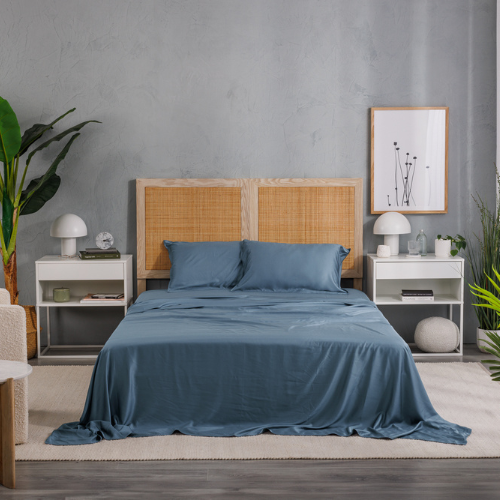
Olive + Crate sheets are made from eucalyptus fibers that create a naturally smooth, cooling fabric while using less water to produce than many traditional textiles.
The focus isn’t on chasing higher thread counts. It’s on creating well-made sheets from natural materials that feel comfortable night after night.