


The starfish position is one of the most talked-about sleep postures, mostly because it looks unusual and feels different from typical back sleeping.
Below, we’ll separate myth from reality and show how to make the position feel more stable.
Gentle note: This article is for informational purposes only and does not replace medical advice.
What Is the Starfish Position?

The starfish position is a back-sleeping posture with the arms extended upward or outward and the legs resting apart in a relaxed sprawl.
Sleep posture classifications treat it as a widened version of back sleeping.
Some sleepers prefer it because it feels less compressed through the shoulders. Others move into it during deeper stages of sleep without noticing.
How common is this sleep style?
Compared with side sleeping, the starfish position represents a smaller portion of sleepers.
Survey-based tracking of sleep habits often places it at roughly 7% of adults.
Because most people rotate positions throughout the night, those numbers reflect patterns rather than fixed identities.
The Benefits of Starfish Sleeping Position
With proper support, the starfish position may offer:
1. More even pressure distribution
Spreading weight across the back and pelvis can reduce concentrated strain on one shoulder or hip.
Research on musculoskeletal load shows that posture influences how stress moves through joints and soft tissue.
2. Lower peak pressure points
Comfort improves when weight is supported more uniformly rather than pressing sharply into a single area.
3. Less spinal rotation
Unlike stomach sleeping, the neck and torso are not held in a prolonged twisted position, which can reduce rotational strain over time.
4. Reduced joint stacking
Side sleeping places one shoulder and one hip directly under body weight. Starfish removes that stacking, potentially lowering single-side compression.
5. Shoulder load awareness
Since shoulder pain is one of the most common regional pain conditions in adults, arm positioning during sleep is relevant.
The open arm placement in starfish may reduce direct compression for some sleepers, though proper pillow height remains essential.
Remember: None of these benefits are automatic. Mattress firmness and pillow support determine whether the posture feels balanced or strained.
4 Misconceptions About the Starfish Position
Sleep posture gets blamed quickly. Most of the time, discomfort comes down to support, strain, and breathing, not the name of the position.
Myth #1: It automatically causes pain
Back sleeping doesn’t automatically create pain. What matters more is whether your body is spending hours in a strained or unsupported posture.
Research shows that people with waking spinal symptoms tended to spend more time in provocative positions and reported poorer sleep overall.
Support matters too. A 2022 mattress study found that improved surface support can reduce pain while lying down, even without changing sleep position.
Arms overhead can irritate the shoulders for some people, but that’s a shoulder-load issue, not a universal problem with the starfish position.
Myth #2: It always leads to snoring
Back sleeping can increase snoring for some sleepers, especially those with positional airway collapse. But it’s not consistent across everyone.
A recent study of heavy snorers found that positional dependency varied widely, and many did not show a strong back-versus-side difference.
Snoring is shaped by anatomy, congestion, alcohol, sleep stage, and sleep apnea. Posture is only one piece.
Myth #3: It reduces sleep quality
Sleep quality isn’t determined by whether your arms are raised. Study shows that sleep quality is related more strongly to movement patterns and turning frequency than to a single fixed sleep posture.
When the starfish position is well supported, it functions like any other back-sleeping variation. Comfort and breathing stability are the bigger drivers.
The Proper Sleep Posture in the Starfish Position
The starfish position works when support is dialed in. It falls apart quickly when it isn’t.
Add a knee support
Adding a pillow under your knees slightly tilts the pelvis and reduces tension in the lower back. For many back sleepers, this simple adjustment prevents that dull morning ache.
It’s especially useful if your mattress has a softer top layer that allows the hips to sink.
Choose the right mattress firmness
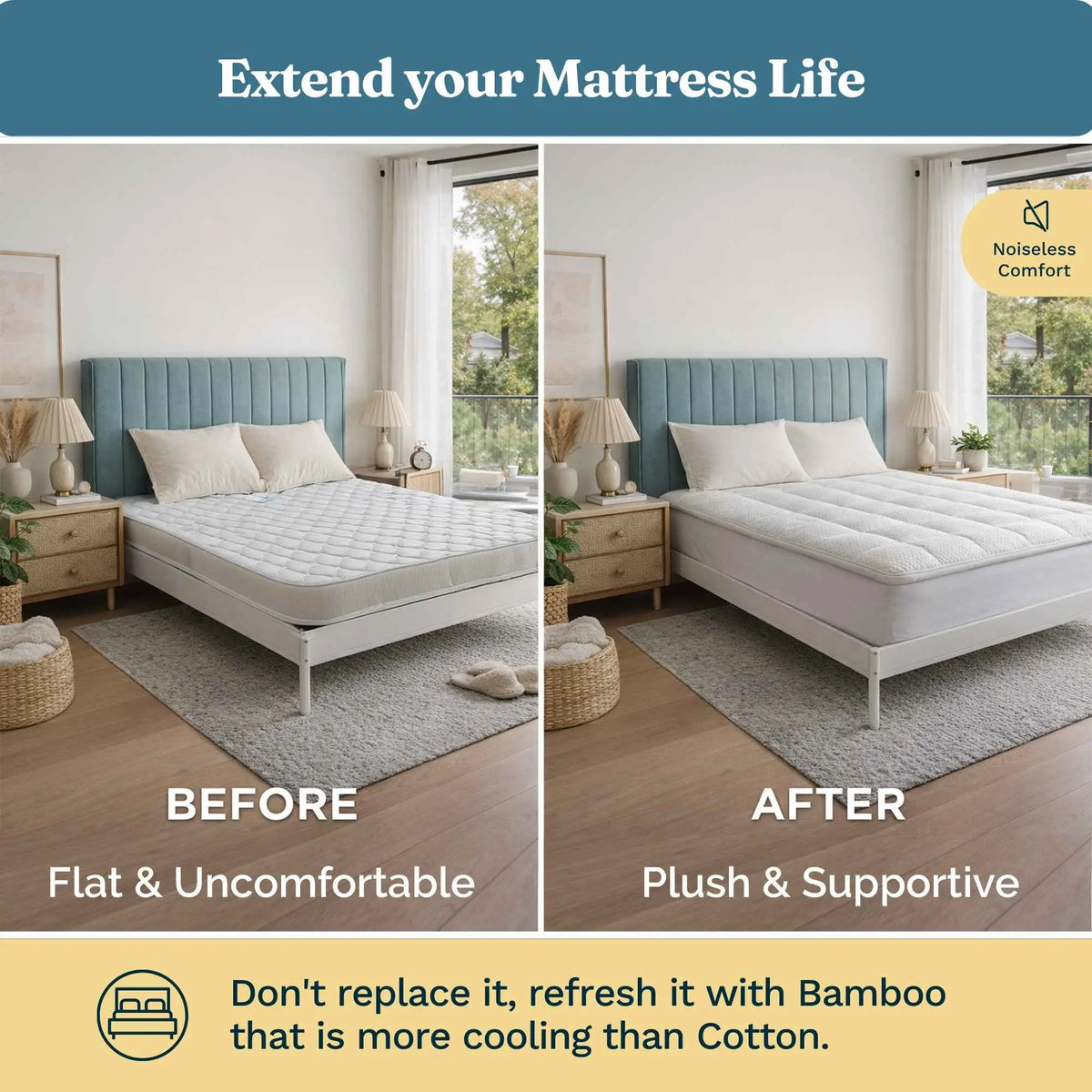
Starfish sleepers typically do best on a medium to medium-firm surface. Too soft and the hips drop, increasing lower back strain. Too firm and the shoulders resist the surface.
The goal is even support without collapse.
Dial in the right pillow height
Neck alignment determines whether back sleeping feels neutral or strained. Loft matters more than most people think, especially for back sleepers with arms overhead.
If your comfort needs shift from week to week, adjustable pillow loft allows small refinements without replacing the entire pillow.
Ease shoulder tension
Arms raised can highlight tight shoulders. A few minutes of light stretching before bed is often enough to reduce strain. Nothing elaborate. Just enough to let the shoulders settle.
Quick posture checklist for the starfish position:
-
Add knee support
-
Check pillow height
-
Notice shoulder comfort
-
Adjust mattress firmness if needed
What Starfish Sleeping Position Says About You
The starfish sleeping position is often described as linked to open, supportive personalities and good listeners.
However, there is no strong scientific evidence confirming that sleep position reliably predicts character traits.
What the starfish position more clearly reflects is comfort and body mechanics. Back sleeping with arms elevated changes pressure distribution and airway positioning.
Sleep position usually reflects:
-
Mattress feel
-
Muscle tension
-
Habit
-
Temperature
-
Where the body finds relief
In short, the personality meaning of sleeping positions is cultural. The physical explanation is better supported.
Starfish in a Shared Bed: Space, Movement, and Connection
Starfish in a shared bed can be comfortable, but it does take up room. On a smaller mattress, that can crowd a partner without anyone meaning to.
Understanding common couple sleeping positions can make that movement feel normal instead of disruptive.
But the starfish position doesn’t have to mean distance. Many couples start the night close and gradually settle into whatever posture allows both people to rest.
Making It Work
-
Choose a mattress wide enough for natural movement
-
Keep pillow height supportive so shoulders stay neutral
-
Expect repositioning overnight
In Summary: Is the Starfish Position Right for You?
The starfish position is neither good nor bad. It is one way the body organizes itself at rest. If you wake without pain, numbness, or breathing strain, it’s likely working.
Consider professional input if you regularly experience:
-
Persistent pain
-
Numbness or tingling
-
Breathing difficulties
-
Loud snoring with daytime fatigue
The most sustainable sleep posture is the one that lets your body soften without effort.