


You don’t need more rules this year. You need a few simple healthy habits to start this year that help you understand what your body actually needs at home.
The most effective place to begin is sleep, because sleep shapes energy, mood, and focus more than almost anything else. Start small. Let comfort lead.
1. Do a “How Did I Wake Up?” Check
Why this matters:
Morning symptoms often say more than nighttime routines.
When you wake up, notice:
-
Did you feel heavy or clear?
-
Warm or neutral?
-
Stiff or loose?
If you wake up tired despite enough hours, the issue is often sleep quality, not sleep time. This is one of the clearest signs of poor sleep hygiene and is more useful than tracking hours alone.
Many people reassess sleep this way when setting gentle intentions for the year.
2. Test Your Bed’s Temperature, Not Your Willpower
Why this matters:
Overheating is one of the most common things that affect sleep.
Try this once:
-
Wake up at night and notice your chest or neck
-
If you feel warm or damp, temperature (not stress) may be the issue
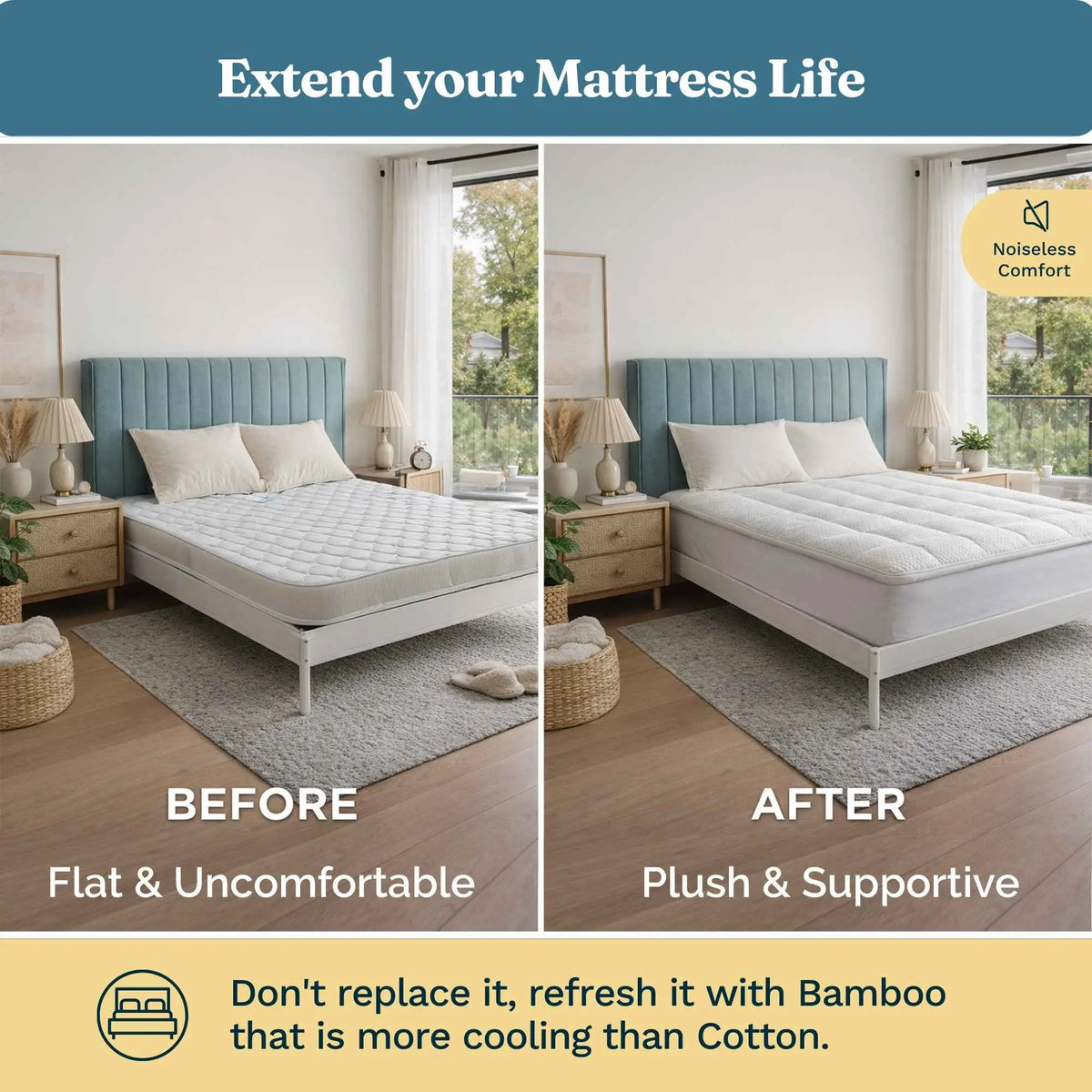
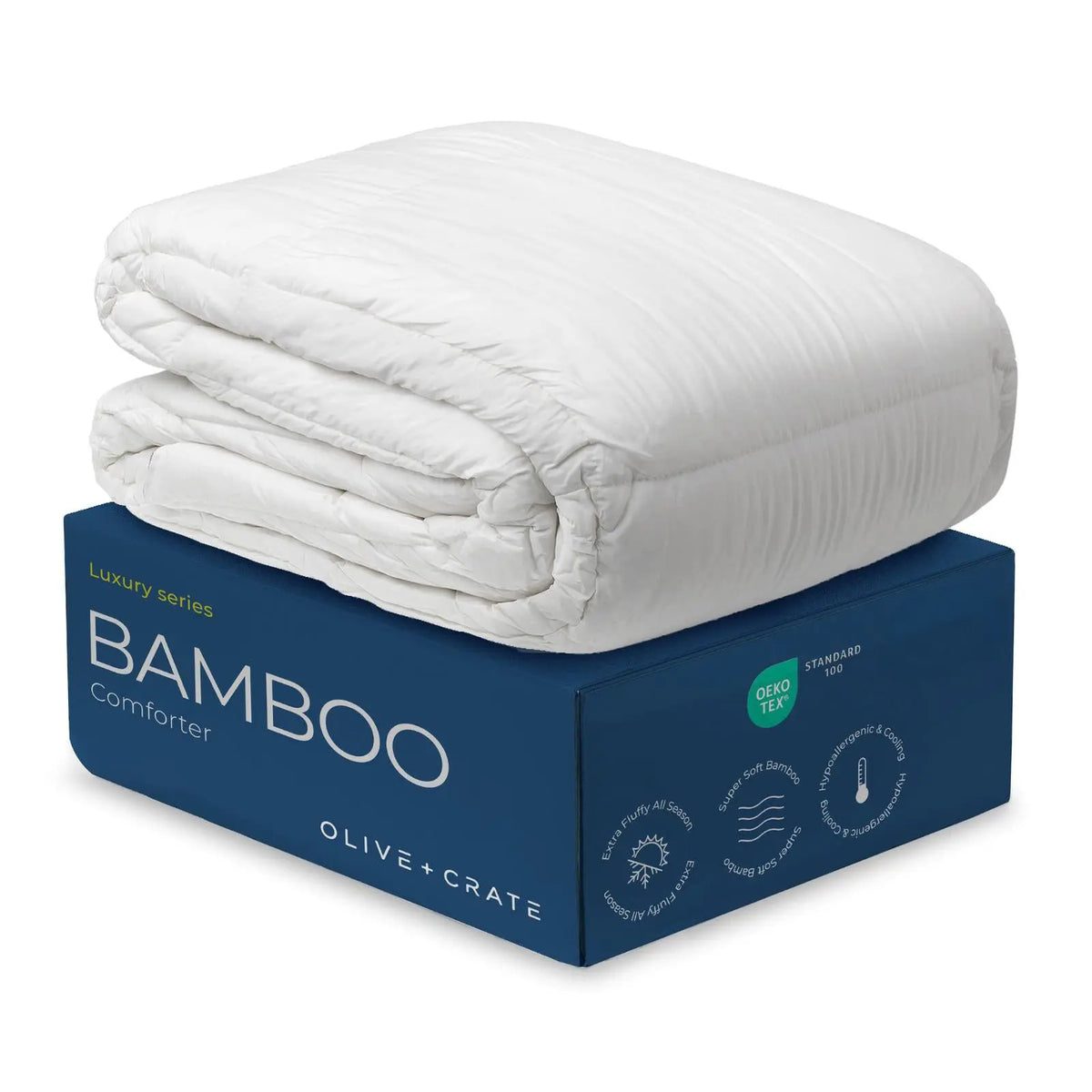
Breathable bedding helps regulate heat and moisture so the body doesn’t stay in a half-awake state. This is a simple healthy habit because it removes a problem instead of adding effort.
3. Stop Chasing a Perfect Bedtime
Why this matters:
Consistency beats precision.
Instead of asking “What time should I sleep?”, ask:
-
Do I sleep at roughly the same time most nights?
-
Do I feel sleepy before bed, or wired?
Is 5 hours of sleep enough?
Usually no. But even 7–8 hours won’t help if sleep timing changes daily. Regular timing supports healthier sleep patterns and helps you stay asleep all night.
4. Check Where Your Phone Lives at Night
Why this matters:
This is one of the simplest habits that ruin sleep, and one of the easiest to fix.
Ask yourself:
-
Can I reach my phone without sitting up?
-
Do I check it if I wake during the night?
If yes, try:
-
Charging it across the room
-
Using a physical alarm clock
Moving your phone out of reach removes stimulation during light sleep phases and quietly improves sleep hygiene.
This is a shift that often pairs naturally with calmer evening rhythms at home.
5. Notice Where Your Body Holds Tension in the Morning
Why this matters:
Tension points often point to sleep position issues.
Pay attention to:
-
Neck stiffness
-
Jaw tightness
-
Lower back soreness
These are signs of unhealthy sleeping positions or poor support. Side or back sleeping with proper alignment is usually the healthiest sleeping position. Pillow height and firmness often matter more than people realize.
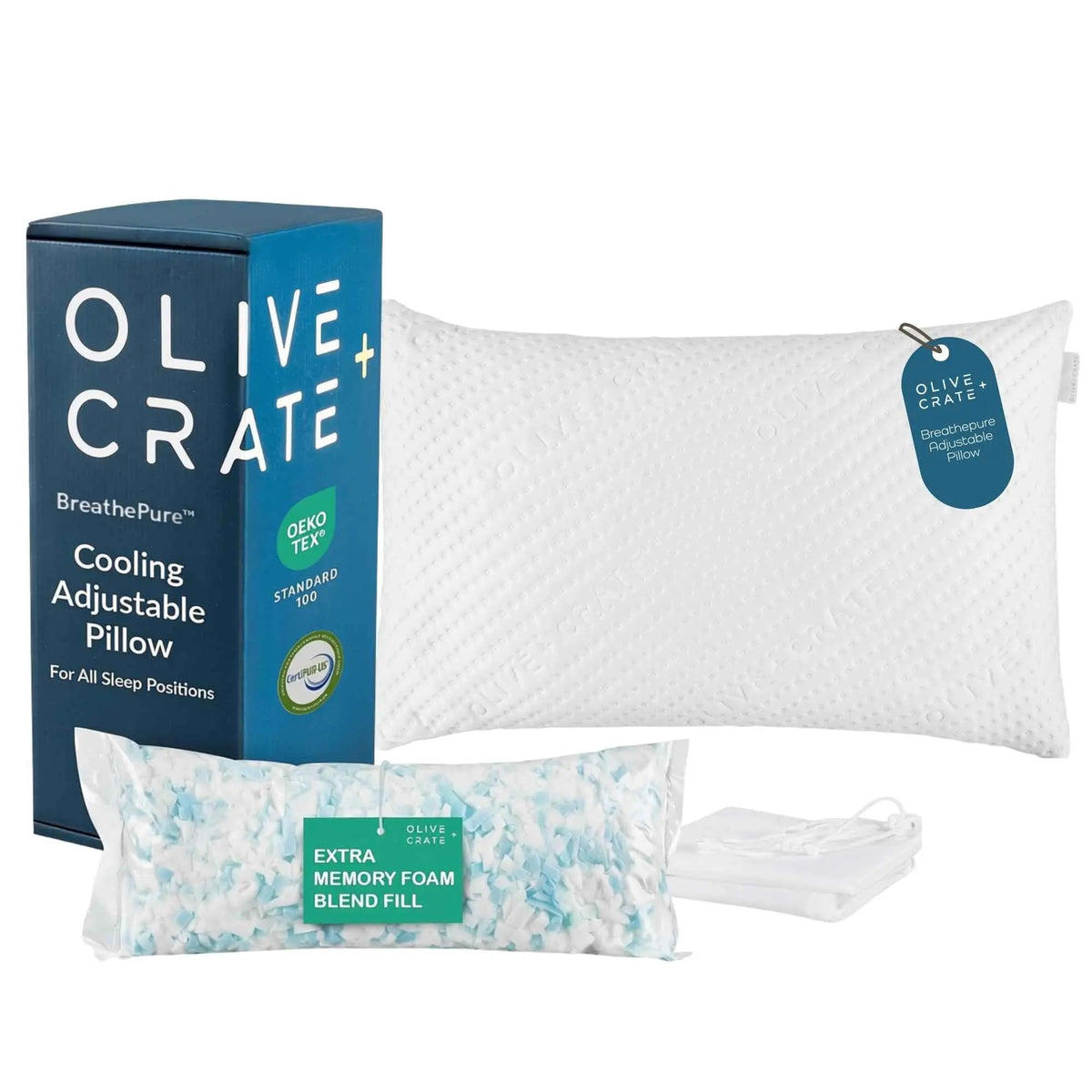
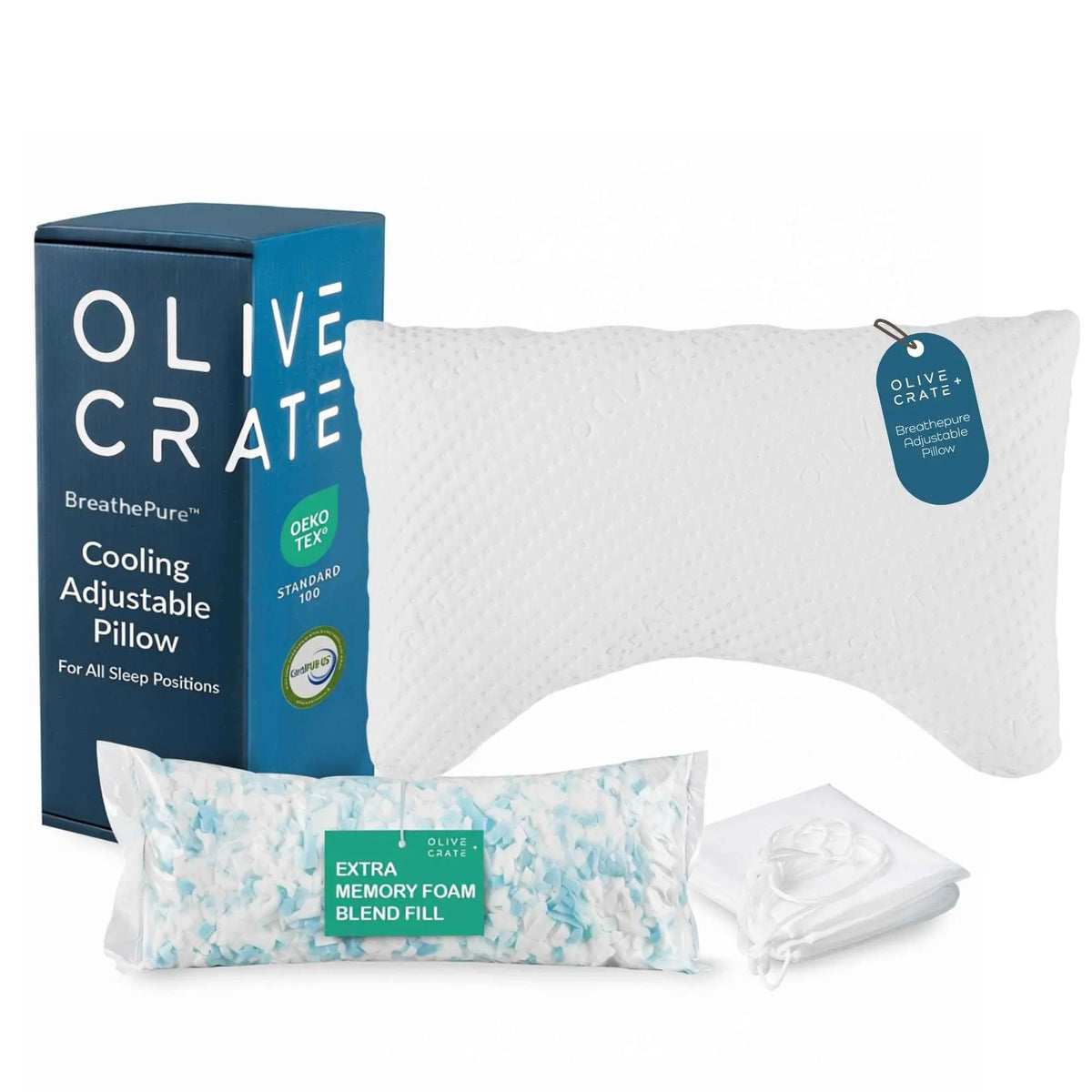
For some, having the option to make small adjustments over time such as using an adjustable pillow can be just as important as posture itself.
6. Decide What Time Your House “Closes”
Why this matters:
Your nervous system needs an endpoint to the day.
Choose one simple cue:
-
Lights dim
-
Laptop closed
-
Sleepwear on
This doesn’t need to be a routine. It’s a signal. Many people build better sleep habits by shaping calmer evenings instead of forcing earlier bedtimes.
7. Do a Bedroom Scan Once a Month
Why this matters:
Sleep environments slowly drift out of alignment.
Ask:
-
Has clutter built up?
-
Are lights harsher than they used to be?
-
Does the room feel calm at night?
A bedroom that asks less of you supports better sleep without discipline.
This is a quiet but powerful healthy lifestyle change - one that often starts with noticing what no longer needs to be in the room, rather than adding anything new.
8. Step Outside Before Noon, Even Briefly
Why this matters:
Daylight sets your internal clock more reliably than alarms.
You don’t need a walk. Just:
-
Step outside
-
Let natural light hit your eyes
This improves sleep patterns and helps regulate nighttime sleep quality.
9. Stop Using Energy as the Measure of “Good Sleep”
Why this matters:
Energy fluctuates. Recovery doesn’t always show up as energy.
Better signs of good sleep practices:
-
Fewer night wake-ups
-
Less tension
-
Clearer mornings
If you’re coming out of a long stretch of fatigue, this matters. Rest doesn’t always feel energizing at first, it feels stabilizing.
10. Pick One Habit That Removes Friction
Why this matters:
Adding habits fails. Removing friction sticks.
Choose one:
-
Cooler bedding
-
Fewer screens at night
-
A calmer bedroom
This is how to build healthy habits that last, by making the healthy choice the easy one.
Why the Start of the Year Matters (Without the Pressure)
The beginning of a new year isn’t important because it demands change. It matters because it offers a pause.
After busy seasons, disrupted sleep, and stretched routines, the new year gives the body a chance to reset gently. Starting with simple healthy habits helps rebuild consistency before life speeds up again.
This is about returning to what already supports you. When habits feel small and manageable, they’re more likely to last well beyond January.
Final Thought
The most meaningful simple healthy habits to start this year don’t push harder.
They make rest easier.
And that’s where real change begins.
External Sources:
University of Michigan Medicine — What to Do if You Wake Tired Every Day: https://medresearch.umich.edu/research-news/what-do-if-you-wake-tired-every-day
Sutter Health — Screens and Your Sleep: The Impact of Nighttime Use: https://www.sutterhealth.org/health/screens-and-your-sleep-the-impact-of-nighttime-use
National Center for Biotechnology Information (NCBI) — Sleep Health Consensus Statement: https://pmc.ncbi.nlm.nih.gov/articles/PMC4434546/