

Sheets don’t last forever, even the well-crafted ones. Knowing when it’s time to buy new sheets helps keep your sleep space fresh and inviting without guesswork.
Below is a simple guide to the lifespan of Tencel bedding, the signs of natural wear, and the rhythms that help your sheets stay beautiful for years.
How Long Do Tencel Sheets Last?
Most high-quality Tencel sheets last 2 to 4 years with regular use.
Their lifespan depends on:
-
Washing frequency
-
Whether you rotate between sets
-
Fabric quality
-
Long-term care habits
The fibers respond well to gentle laundering, which you can see in many recommended care practices for Tencel bedding that help keep them smooth.
How Often Should You Buy New Sheets?
Most people replace their sheets every 1 to 3 years.
Tencel bedding may last longer, but comfort should guide your decision. When the fabric no longer feels clean, cool, or supportive, it’s time for a new set.
The simplest rule: replace your sheets when your sleep quality begins to change.
If you’re beginning the process of refreshing your space, this can also be a chance to explore complementary home comforts which often sparks ideas for creating a cozier bedroom environment too.
5 Signs It’s Time to Replace Your Tencel Sheets
1. Changes in texture
Softness is Tencel’s signature. When the fabric stays rough or slightly dry after washing, the fibers are wearing down.
2. Thinning or wear at the corners
Fitted sheets experience the most tension. Corners and seams usually show age first.
3. Less breathability
If the sheets stop feeling cool or light against the skin, the fibers may be compressed.
4. Stubborn discoloration
When brightness doesn’t return after laundering, the fabric may be reaching the end of its life.
5. A subtle shift in comfort
If your bed feels less restful or you wake up less refreshed, your bedding may be part of the cause.
How Often Should You Change and Wash Your Sheets?
A steady washing rhythm keeps bedding fresh and extends its lifespan.
A practical routine:
-
Wash sheets every 1 to 2 weeks
-
Wash pillowcases every 5 to 7 days
-
Rotate between two or more sets
These intervals reflect what many fabric experts suggest for keeping bedding healthy and comfortable.
If you want to learn more about the reasoning behind these rhythms, you can explore a deeper look at how often to wash your sheets for additional guidance.
Is it ok to change sheets once a month?
It’s not ideal. Oils, sweat, and buildup accumulate quickly, affecting breathability and comfort.
Should you wash new sheets before using them?
Yes. Washing new sheets helps the fibers relax and reach their true softness. It also removes production finishes. Many people follow this habit when preparing a new bedding set.
What happens if you do not change your sheets?
If sheets aren’t washed regularly, oils and buildup settle into the fibers. Over time, this affects breathability, freshness, and sleep quality.
How Long Different Types of Sheets Tend to Last
Fitted Sheets vs Flat Sheets
Fitted sheets experience the most movement and tension, so they naturally wear out faster than flat sheets.
Daily stretching over the mattress, friction at the corners, and repeated laundering all play a part.
Typical lifespan:
-
Fitted sheets: 1.5 to 3 years, sometimes up to 4 with very mindful care
-
Flat sheets: 2 to 4 years, thanks to less friction and tension
If you’re noticing thinning or roughness, the fitted sheet will almost always be the first to show it.
How Tencel Compares to Linen, Bamboo, and Cotton
When deciding how often to replace your bedding, it helps to understand how Tencel holds up against other common fabrics.
Tencel
Smooth, breathable, and naturally strong. With consistent care, it often lasts 2 to 4 years while maintaining its cool, clean feel.
Many sleepers choose it for both durability and its lower-impact fiber profile compared with cotton and linen.
Linen
Highly durable with a textured hand-feel. Linen can last 5 years or more, though it softens slowly over time and requires specific washing habits.
Bamboo Viscose
Soft and silky but more delicate. Bamboo viscose usually lasts 1 to 2 years, as the fibers tend to pill or thin sooner.
Cotton
Varies widely by quality. Lower-grade cotton may last 1 to 2 years, while premium long-staple cotton can reach 3 to 5 years with proper care.
This comparison helps highlight why Tencel sits in a sweet spot: softer and more breathable than cotton, more durable than bamboo viscose, and easier to care for than linen.
When to Throw Away Bed Sheets (and When to Repurpose Them)
If your sheets are torn, rough, or no longer comfortable, it’s time to replace them.
If they’re still intact, they can be repurposed as:
-
Cleaning cloths
-
Drop cloths for painting or projects
-
Bedding donations for animal shelters
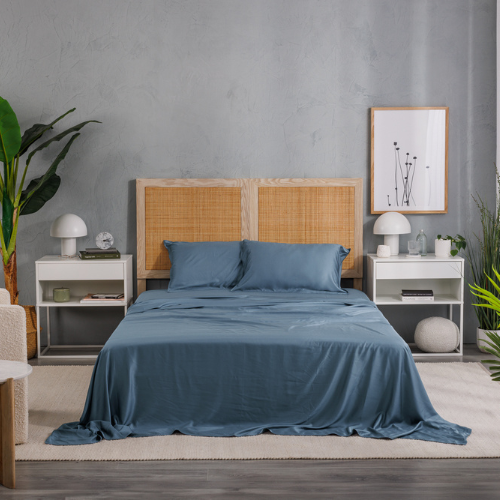
Choosing Your Next Tencel Sheet Set
If your bedding is nearing the end of its life, consider what you want from your next set.
Tencel is a great match for sleepers who want:
-
Cooler, drier sleep
-
Ultra-smooth texture for sensitive skin
-
A breathable fabric that stays fresh longer
-
A balance of durability and softness
Understanding your sleep habits such as temperature, sensitivity, texture preference helps make the upgrade feel intentional rather than reactive.
Comfort Begins with Quality
When the fabric no longer brings softness, breathability, or that familiar sense of comfort, refreshing your bedding can make your whole sleep space feel renewed.
If you’re choosing something new, you may find it helpful to explore a Tencel sheet set designed with long-lasting softness and restful comfort in mind as you bring fresh energy back into your bedroom.