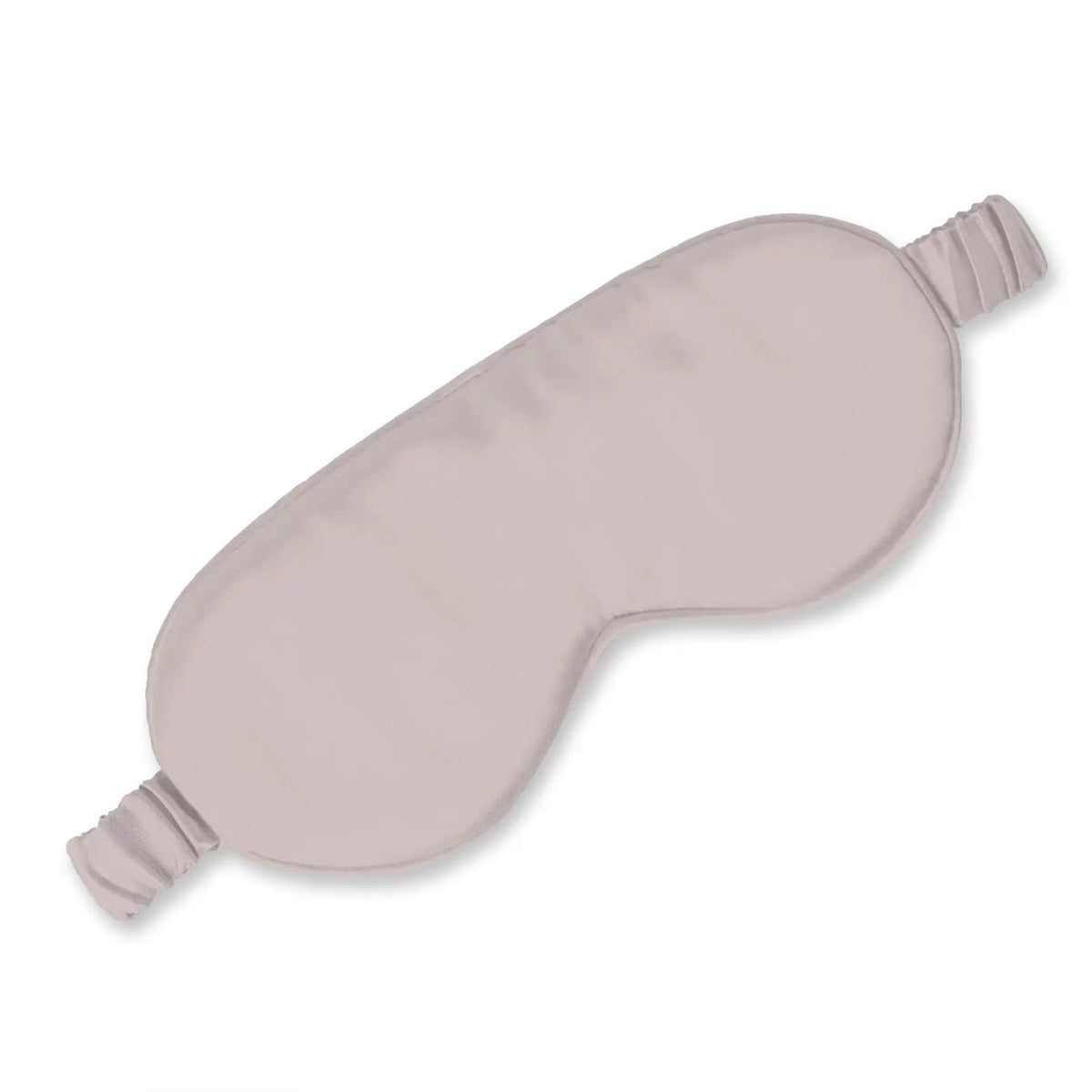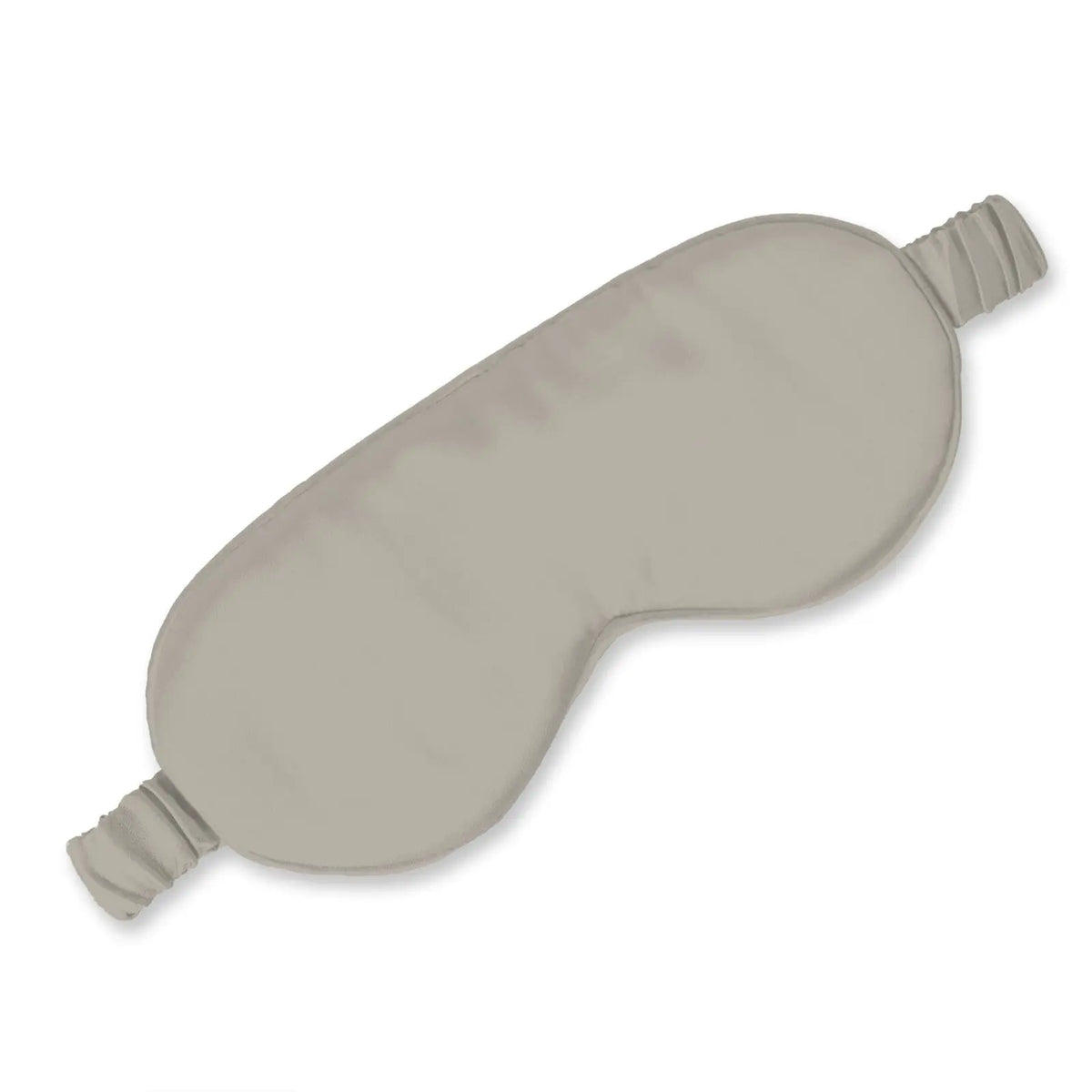

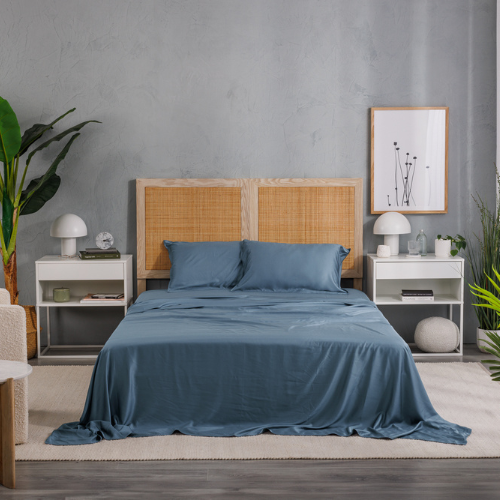

If you wake up with creases, dryness, extra oil, or irritation, your pillowcase may be part of the reason.
The best pillowcases for hair and skin usually help reduce friction, improve airflow, and stay fresh through regular washing.
Why Pillowcase Fabric Matters
Skin repairs itself while you sleep. During those hours, your pillowcase collects oil, leftover skincare, sweat, and heat.
A fabric that traps warmth can leave skin unsettled by morning. A fabric that breathes well usually feels steadier through the night.
The most skin-friendly materials usually offer:
-
a smooth surface
-
breathable structure
-
balanced moisture control
-
low residue buildup
Many natural fibers perform well because they let air move more freely around the skin.

The biggest difference usually comes down to how each fabric handles heat, moisture, and friction through the night.
Silk Pillowcases for Skin
Silk feels smooth because the fiber creates very little drag against the skin.
That lower friction helps reduce sleep lines and keeps hair from catching as you move. It also absorbs less moisture than cotton, which is why silk often feels comfortable for dry skin.
Silk usually suits:
-
dry skin
-
mature skin
-
frizz-prone hair
For acne-prone skin, the experience can vary. Silk stays smooth, but it may feel warmer than expected if your room already holds heat.
Satin Pillowcases Explained
Satin feels similar to silk because of its weave, but the fiber underneath changes how it performs.
A satin pillowcase made from synthetic material may still reduce friction, but it often traps more warmth than natural fibers.
That makes satin useful for hair care, but less reliable if your skin reacts to heat.
Satin often works best for:
-
reducing hair friction
-
softer sleep surface
-
lower-maintenance care
For oily skin, breathability matters more than smoothness alone.
Because satin is often made from synthetic fibers, the feel can vary more than expected.
Polyester-based satin usually holds more warmth than natural fabrics, which is why it may feel less comfortable for oily or heat-sensitive skin.
Cotton Pillowcases and Skin Comfort
Cotton remains a familiar choice because it feels clean, breathable, and easy to wash often.
It works well if you prefer a crisp sleep surface and want a fabric that handles frequent washing without extra care.
The main trade-off is absorbency.
Cotton pulls moisture into the fabric, including skincare and natural oils.
That means cotton often suits:
-
balanced skin
-
combination skin
-
cooler sleep environments
For dry skin, cotton may feel less comfortable because it can leave the skin surface feeling drier by morning.
Why Eucalyptus Pillowcases Stand Out
Eucalyptus fiber offers softness without the heaviness some fabrics develop overnight.
TENCEL™ eucalyptus stays smooth, but it also helps regulate temperature and moisture. That means skin stays cooler without feeling dry.
It usually works especially well for:
-
sensitive skin
-
acne-prone skin
-
hot sleepers
-
reactive skin
Many people also choose OEKO-TEX bedding when fabric stays in close contact with skin every night.
Which Pillowcase Works Best for Your Skin Type
Once fabric properties are clear, the best choice becomes easier.

For Acne-Prone Skin
Acne-prone skin usually responds best to fabrics that stay breathable and do not trap oil easily.
A pillowcase should feel smooth, but cooling matters just as much.
The strongest options are:
-
eucalyptus
-
lightweight cotton
-
breathable silk
Understanding these bedding differences helps when breakouts are linked to heat or residue buildup.
For Sensitive Skin
Sensitive skin usually reacts to roughness, warmth, and washing residue.
A stable, breathable fabric usually works better than one that simply feels soft at first touch.
The best choices are:
-
eucalyptus
-
silk
-
gentle cotton weaves
Many people move toward hypoallergenic bedding when irritation becomes part of nightly comfort.
For Dry or Mature Skin
Dry skin benefits from fabrics that absorb less moisture.
Silk usually performs well here because skincare stays closer to the skin surface.
Eucalyptus also works well because it feels soft without pulling too much moisture away.
For Oily Skin
Oily skin usually needs airflow first.
A cooler fabric often helps more than a smoother one if heat is already part of the issue.
Eucalyptus and lightweight cotton usually feel more comfortable than dense synthetic satin.
Best Cooling Pillowcases by Season
Cooling matters whenever skin feels warmer than it should during sleep, but temperature is only part of it.
A pillowcase that feels comfortable in summer may not feel the same once the air turns dry or your room holds less airflow.
Spring
As humidity starts to rise, skin often produces more oil than it did during colder months.
Light, breathable fabrics help keep that balance steady without feeling damp.
Best choices:
-
lightweight cotton
-
eucalyptus
Summer
Warm nights usually mean more sweat, more oil, and more heat around the face.
This is where moisture control matters most. A breathable pillowcase helps reduce that sticky feeling that often builds overnight.
Best choices:
-
eucalyptus
-
lightweight silk
Autumn
As indoor air becomes drier, fabric needs to stay soft without holding heat.
A smoother surface often feels more comfortable as skin adjusts to changing temperatures.
Best choices:
-
eucalyptus
-
silk
Winter
Cold air and indoor heating often dry out the skin more than expected.
A pillowcase that stays soft while still allowing airflow helps avoid waking up with tight or irritated skin.
Best choices:
-
silk
-
eucalyptus
The best cooling pillow case usually keeps temperature steady instead of feeling cold only when you first lie down.
Pillowcases and Fine Lines
Sleep lines happen when skin presses into one position for hours.
A smoother pillowcase reduces drag because skin moves more freely during sleep.
That is why silk, satin, and eucalyptus are often discussed as anti aging pillowcase options.
Support underneath matters too.
Knowing when pillows age often explains why sleep lines become more noticeable.
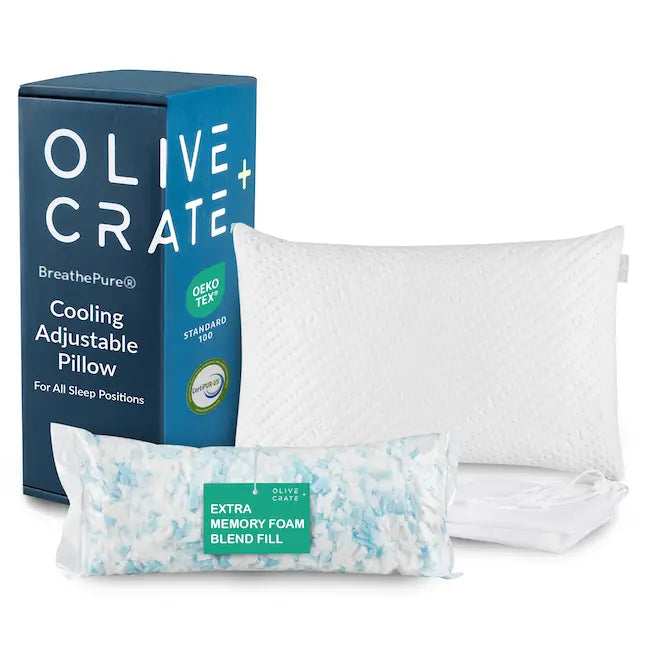
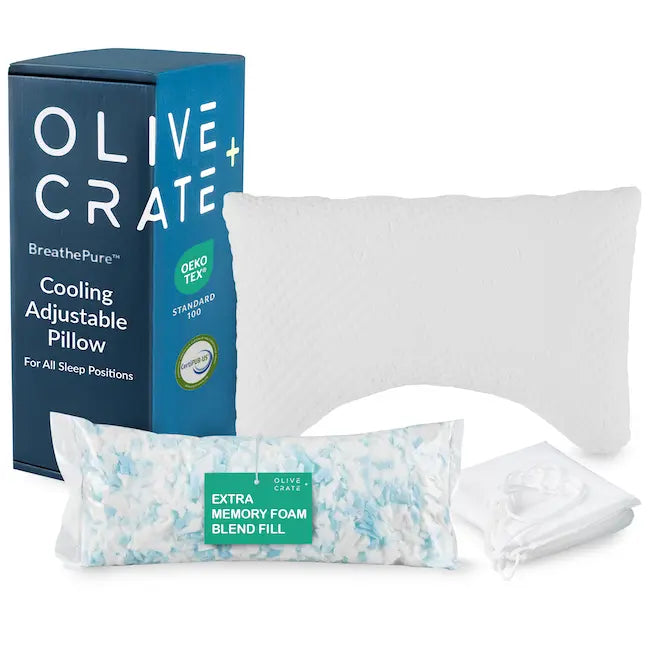
Why Pillow Support Matters
A pillowcase only performs as well as the pillow underneath it.
A simple guide:
-
side sleepers usually need more height
-
back sleepers need moderate support
-
stomach sleepers usually need less loft
Matching fabric with proper pillow support often improves comfort quickly.
How to Care For Your Pillowcase
-
Wash every 5 to 7 nights
-
Use mild detergent
-
Skip fabric softener
-
Dry gently
That keeps fibers breathable and helps smooth fabrics stay soft longer.
A Better Sleep Ritual
The right pillowcase changes how sleep feels in quiet ways.
Skin stays calmer. Hair feels smoother. Heat feels easier to manage.
For many people, the best choice is the one that matches both skin needs and sleeping temperature.