

Night sweats in men are relatively common, yet the reasons behind them can vary widely.
While occasional sweating during sleep is often harmless, persistent episodes may relate to stress, hormonal shifts, sleep conditions, or the environment surrounding the bed.
Gentle note: This article is for informational purposes only and does not replace medical advice.
What Are Night Sweats in Men?
Night sweats refer to episodes of excessive sweating during sleep that occur even when the bedroom temperature feels comfortable.
Unlike sweating caused by a warm room or heavy blanket, these episodes often happen without an obvious environmental trigger.
Men may experience nighttime sweating in several forms:
-
cold sweats at night
-
night sweats with no fever
-
high body temperature at night in men
-
night sweats and chills
Common experiences include:
-
waking with damp sleepwear
-
sudden overheating during sleep
-
chills after sweating
-
feeling hot despite a cool room
Why Do Night Sweats Happen in Men?
Clinical research examining the causes of night sweats notes that infections, medications, hormonal changes, and sleep disorders are among the most frequently identified contributors.
It may arise from overlapping influences that range from everyday habits to underlying health conditions.
Stress, Anxiety, and the Body’s Stress Response
Stress does not remain confined to the mind.
It activates the body’s fight-or-flight response, releasing hormones that raise heart rate and increase internal temperature.
When this heightened state continues into the night, the body may respond with sudden overheating or excessive sweating during sleep.
Common stress triggers include:
-
emotional stress
-
demanding work schedules
-
anxiety disorders
-
disrupted sleep cycles
Sleep Apnea and Breathing Disruptions
Breathing patterns during sleep affect more than oxygen levels.
In conditions such as sleep apnea, breathing may repeatedly pause or become shallow.
When oxygen briefly drops, the body responds by increasing heart rate and releasing stress hormones.
These responses can trigger sweating as the body attempts to stabilize itself.
Medications and Medical Treatments
Some medications influence how the body regulates temperature or hormone signals. These changes can occasionally increase sweating during sleep.
Treatments sometimes associated with night sweats include:
-
antidepressants
-
hormone therapies
-
certain metabolic medications
Hormonal Changes and Testosterone Levels
Hormones quietly influence many of the body’s internal rhythms, including temperature regulation.
When testosterone levels shift with age, some men experience symptoms similar to hot flashes.
These episodes may involve warmth spreading across the chest or upper body followed by sweating.
Less Common Medical Causes
In rarer situations, persistent night sweats may relate to conditions that affect the body’s ability to regulate sweat.
Hyperhidrosis, for example, describes excessive sweating that occurs even when the body does not need additional cooling.
These causes are significantly less common than lifestyle, hormonal, or environmental influences.
Why Do Some Men Sweat in Specific Areas at Night?
Sweat glands are not evenly distributed across the body.
Some areas release more perspiration than others, which is why sweating during sleep may appear concentrated in certain regions such as the chest, groin, or legs.
Sweating Around the Neck and Chest
Sweating around the neck and chest at night in men often reflects changes in core body temperature.
The upper torso contains dense networks of sweat glands, so it is usually one of the first areas where perspiration appears when the body begins releasing heat.
In some cases, localized excessive sweating may occur when sweat glands become overactive.
Common triggers include:
-
rising body temperature during sleep
-
stress responses affecting the nervous system
-
warm bedding trapping heat around the torso
Night Sweats Only in the Groin Area
The groin area contains a higher concentration of apocrine sweat glands, which produce thicker sweat influenced by hormones and stress.
Because this area is naturally warm and enclosed, sweating may become more noticeable when airflow is limited.
Contributing factors may include:
-
tight sleepwear
-
non-breathable fabrics
-
restricted airflow under bedding
Legs Sweating at Night
Some men notice sweating around the thighs or behind the knees during sleep.
Changes in circulation and heat distribution throughout sleep cycles can influence this pattern.
Leg sweating at night is often linked to:
-
thick blankets trap heat around the lower body
-
room temperature rises overnight
-
bedding limits airflow around the legs
Night Sweats in Older Men: What Changes With Age?
Night sweats in older men can become more noticeable as the body’s internal systems gradually shift.
Night Sweats in Men Over 40
From the forties onward, some men begin experiencing hormonal changes sometimes described as male menopause, a gradual decline in testosterone levels.
These shifts can affect how the body regulates temperature during sleep and may trigger symptoms similar to hot flashes, leading to sudden warmth followed by sweating.
Sleep patterns also tend to become lighter with age. More frequent awakenings and changes between sleep stages can make nighttime temperature fluctuations feel more noticeable.
When Should Men Be Concerned About Night Sweats?
Night Sweats in Men but No Other Symptoms
Some men experience night sweats without fever, illness, or other symptoms.
In many cases this reflects temporary influences such as environmental heat, stress responses, or normal fluctuations in body temperature during sleep.
However, persistent or severe episodes may warrant medical attention.
Consider speaking with a doctor if night sweats:
-
soak bedding regularly
-
occur with fever or chills
-
involve unexplained weight loss
-
appear with fatigue or persistent pain
How to Manage Night Sweats in 5 Easy Ways
Small adjustments to the sleep environment and evening habits can often make nights more comfortable.
1. Create a Cooler Sleep Environment
Room temperature and airflow strongly influence how the body releases heat overnight.
A cooler, well-ventilated bedroom helps prevent heat from building up around the body.
Simple adjustments can help:
-
improve airflow with fans or open windows
-
use lighter blankets or layers
-
keep bedroom temperatures slightly cooler
2. Choose Breathable Bedding Materials
Bedding fabrics play a major role in how heat and moisture move across the skin during sleep.
Breathable bedding can help by:
-
allowing airflow around the body
-
wicking moisture away from the skin
-
preventing heat buildup under blankets
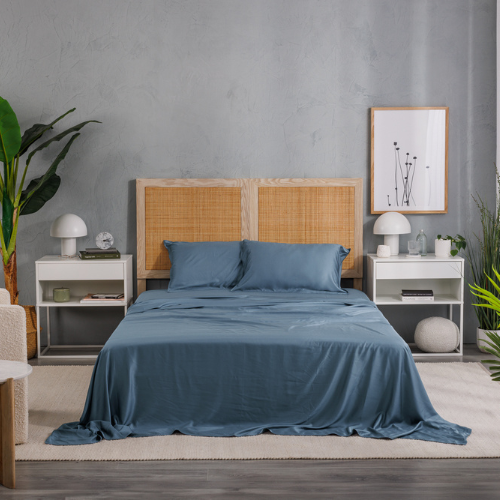
Certain fabrics are designed to move heat away from the body more easily, which is why cooling sheets can make such a noticeable difference for hot sleepers.
Choosing the right material also matters, as some fabrics naturally stay cooler than others throughout the night.
3. Adjust Evening Habits That Raise Body Temperature
Evening routines can influence how the body prepares for sleep.
Activities that raise internal temperature late at night may make sweating more likely.
Habits that may help reduce nighttime overheating include:
-
taking a cold shower before bed
-
avoiding heavy meals late at night
-
limiting alcohol or spicy foods in the evening
4. Wear Lightweight Sleepwear
What you wear to bed can also affect how easily heat escapes from the body.
Lightweight, breathable sleepwear helps air circulate and reduces moisture buildup during the night.
Helpful options often include:
-
loose-fitting sleep clothing
-
lightweight cotton or moisture-wicking fabrics
-
avoiding thick or synthetic materials
5. Use Layered Bedding
Layering bedding allows you to adjust warmth throughout the night without overheating.
Instead of one heavy blanket, consider:
-
using lighter layers that can be removed easily
-
choosing thinner comforters or duvets
-
combining breathable sheets with lighter covers
This makes it easier to stay comfortable as body temperature changes during sleep.
The Role of Bedding in Nighttime Temperature Regulation
Even in a cool room, bedding can trap heat around the body.
For warmer sleepers, bedding that manages heat and moisture tends to work best.
Look for materials that are:
-
lightweight
-
breathable
-
moisture-wicking
Some fabrics naturally stay cooler and allow better airflow, which is why certain materials are often recommended when choosing the best sheets for hot sleepers.
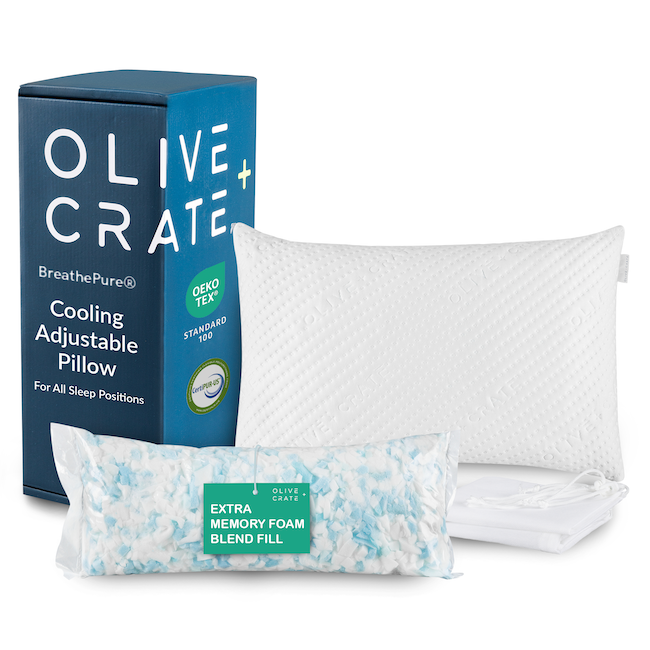
Comforters matter just as much. Lighter fills that allow air to circulate can help prevent heat from building up under the covers.
Final Thoughts: Understanding Night Sweats in Men
Night sweats in men can stem from many factors, including stress, hormonal changes, sleep conditions, or environmental heat.
Occasional sweating during sleep is common as the body naturally adjusts temperature through the night. Noticing patterns and creating a cooler, more breathable sleep environment can often make a meaningful difference.
When heat and moisture can move away from the body, sleep tends to feel more comfortable.
External Sources for Further Reading
Night Sweats: Causes and Tips to Prevent Sweating at Night
https://www.sleepfoundation.org/night-sweats
Persistent Night Sweats: Diagnostic Evaluation
https://pmc.ncbi.nlm.nih.gov/articles/PMC1578640/
Night Sweats in Men Could Have Many Causes
https://www.uclahealth.org/news/article/night-sweats-in-men-could-have-many-causes
Diagnosing Night Sweats
https://www.aafp.org/pubs/afp/issues/2003/0301/p1019.html
Night Sweats in Men
https://www.bodylogicmd.com/for-men/night-sweats/
Low Testosterone and Night Sweats
https://www.healthline.com/health/low-testosterone/night-sweats
Excessive Sweating (Hyperhidrosis)
https://www.nhs.uk/conditions/excessive-sweating-hyperhidrosis/
Axillary Hyperhidrosis
https://www.dermcoll.edu.au/atoz/axillary-hyperhidrosis/
Apocrine Glands
https://my.clevelandclinic.org/health/body/apocrine-glands
Is Excessive Sweating a Sign of Heart Disease?
https://www.drugs.com/medical-answers/excessive-sweating-sign-heart-disease-3515757/
The Science of Sweat: Why Some People Perspire More
https://www.henryford.com/blog/2019/09/science-of-sweat-why-some-people-perspire-more
Male Menopause (Andropause)
https://www.nhs.uk/conditions/male-menopause/