

Step 1 - Identify Your Mattress Size
Every good sheet starts with a perfect mattress fit.
Mattress sizes are available in six standard sizes:
- Twin: 38 x 75 inches
- Twin XL: 38 x 80 inches
- Full / Double: 54 x 75 inches
- Queen: 60 x 80 inches
- King: 76 x 80 inches
- California King: 72 x 84 inches
If you don’t know your mattress size, you don’t have to guess and hope for the best. All you need is a measuring tape to measure the length, width, and thickness.
For the length, measure from the middle top of the bed all the way to the edge. As for the width, you have to place the end of the measuring tape on the left or right side of the bed, and pull it until it reaches the other side.
Measuring the depth can get a little tricky, especially when the mattress is heavy and your bedframe is a high-profile or deep platform. To avoid straining your back, we highly suggest having another person lift the mattress while you measure the width.
Once you can access the mattress, take your measuring tape’s end and place it on the highest point and pull until it reaches the bottom seam.
Step 2 - Understand How Flat and Fitted Sheets Work Together
Once you have your mattress size, the next step is to understand the difference between fitted and flat sheets and why it’s recommended to have both for comfort and hygiene.
A fitted sheet goes directly on your mattress, with elasticated corners that grip the mattress and keep the sheet securely in place. This is the layer you sleep on, helping protect your mattress from sweat, oils, and other buildup. And since they are specifically designed to fit snugly on your mattress, they can be a bit trickier to fold, and you should make sure they match your mattress’s size and depth.
On the other hand, a flat sheet (or top sheet) goes on top of the fitted sheet and underneath your duvet or comforter. This extra layer keeps your duvet cleaner for longer and makes your bedding even more comfortable to sleep on. Unlike fitted sheets, flat sheets are easier to fold, wash, and style.
So, should you use only a fitted sheet or a flat sheet? Again, we recommend using both. Fitted sheets on the bottom, followed by the flat sheets on top, with the duvet as the final layer. Together, they create layers that are easier to clean and maintain while helping you enjoy a more comfortable night’s sleep.
Step 3 - Choose the Fabric Type
Mattress size - check.
Fitted or flat sheet - check.
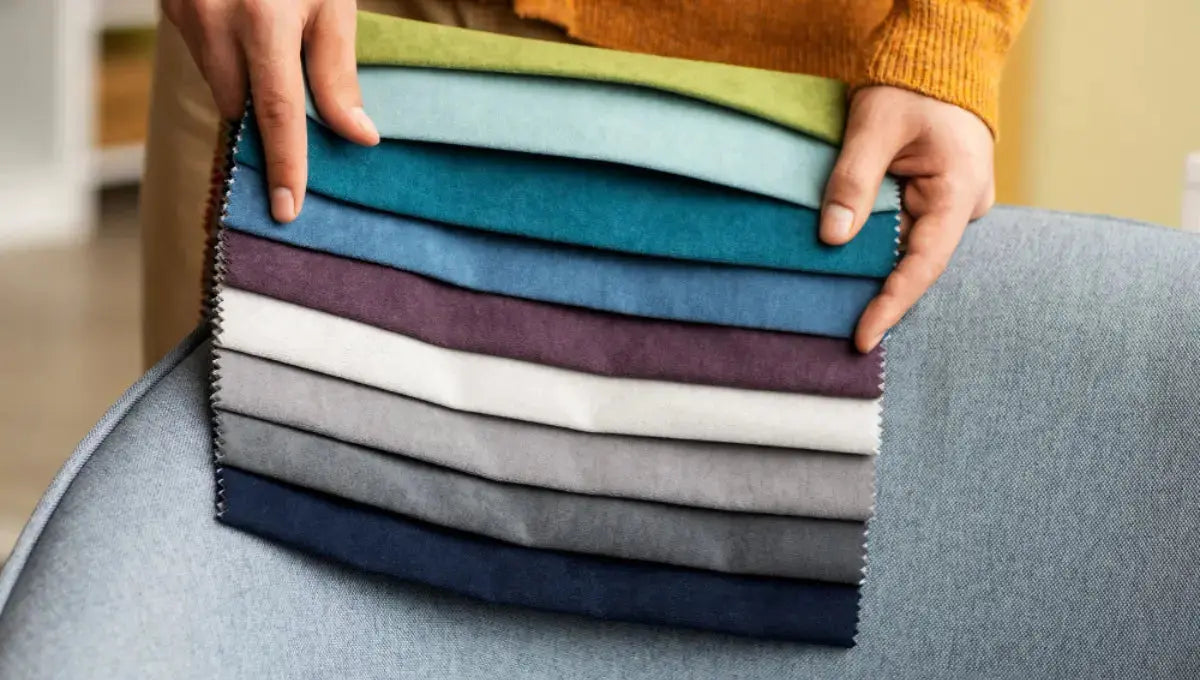
The next step? Picking the best sheet material. Bed sheets are available in different materials. You have cotton, linen, bamboo, and eucalyptus/TENCEL™ just to name a few. Here’s a closer look at each one:
Cotton
Cotton usually works best for people who want sheets that feel familiar and easy to live with.
It breathes naturally, softens gradually, and adapts well across different weaves, but its
biggest advantage is balance. Cotton rarely feels extreme, so it suits bedrooms where temperature stays fairly consistent.
Cotton usually makes sense if you want:
- A familiar feel
- Easy maintenance
- One fabric that works year-round
Linen
Linen usually suits people who sleep warm or dislike heavy bedding. Its structure stays airy because the fibers are less tightly packed, which helps heat escape more easily through the night.
However, keep in mind that linen’s texture is more noticeable than cotton's. Plus, they wrinkle easily and require more gentle care since they are not very elastic. And yes, they are more expensive than cotton.
Bamboo
Bamboo sheets, as the name suggests, are made from the bamboo plant’s pulp. The raw material goes through chemical processing, turning the pulp into fibers (regenerated cellulose fibers, to be more precise) that can be woven.
Bamboo sheets usually appeal to people who notice texture immediately. The surface feels smoother and softer from the start (yes, you don’t have to break in the fabric, unlike linen). Plus, they are more breathable.
Eucalyptus
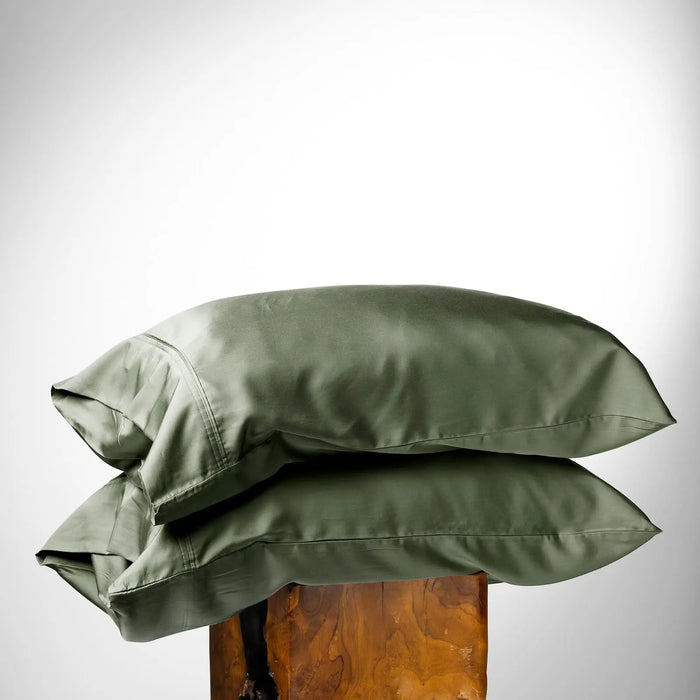
How about eucalyptus sheets? Well, this bed sheet type usually works best for people who want cooling without giving up softness. As a matter of fact, eucalyptus bed sheets have several benefits. One of these is its breathable fibers, which draw moisture away and release heat.
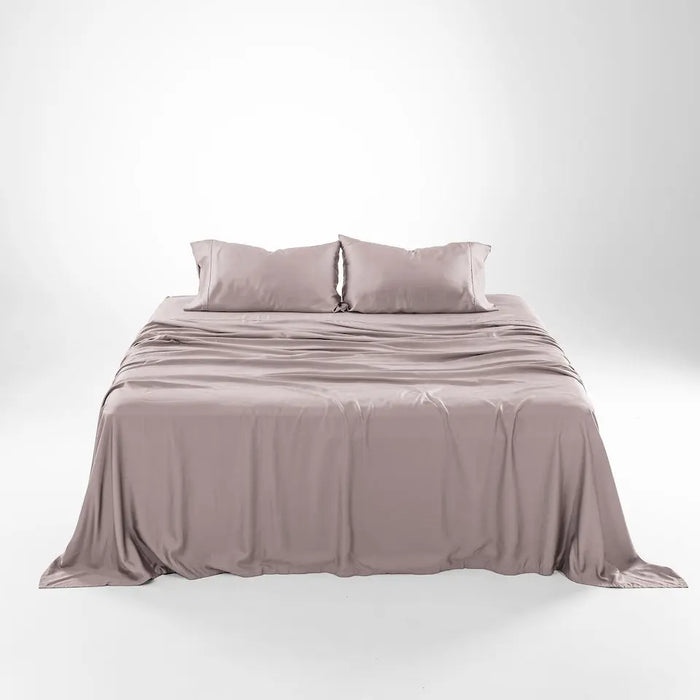
At Olive + Crate, our eucalyptus sheets use TENCEL™ fabric, a lyocell fiber known for keeping a smooth surface after repeated washing. And yes, our sheets are cooling, breathable, and OEKO-TEX Standard 100 Certified (meaning the sheets were tested and certified against harmful substances).
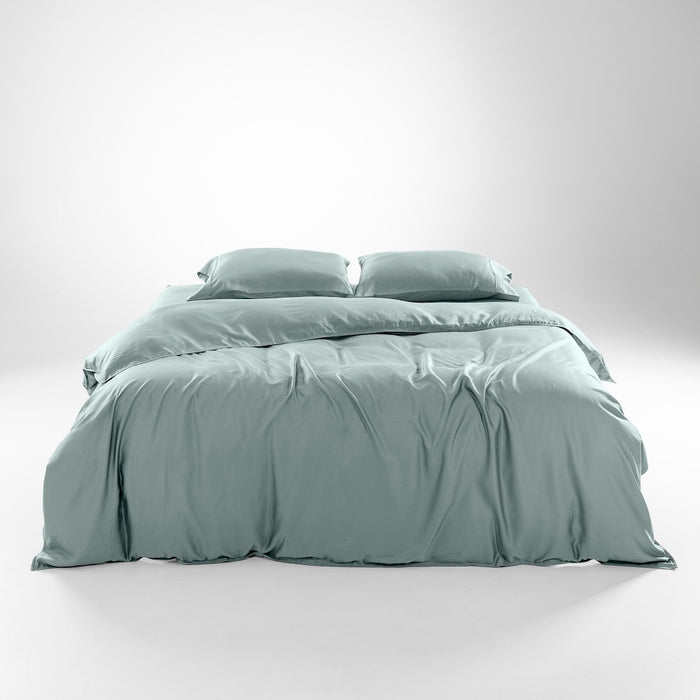
Aside from sheets, our pillowcases and duvet covers are made from TENCEL™ lyocell eucalyptus.
Silk
Silk is another popular bed sheet material. Many people lean towards it because of its smooth, cool-to-the-touch surface. And, as you might already know, genuine and high-quality 100% silk sheets are expensive. That’s because its production is very meticulous and labor-intensive, from harvesting the fiber produced by silkworms to spinning it into yarn. The supply is also limited. And yes, there are silk blends available; however, they do not match the luxuriousness and coziness of 100% silk.
Step 4 - Choose the Thread Count
Now that you have a preferred fabric, don’t forget about the thread count. But what exactly is thread count anyway?
In bed sheets and pillow cases, thread count just means how many threads are woven (vertically and horizontally) into one square inch of the fabric. Some people think that a higher thread count is generally better, but that’s not always the case.
For instance, an 800 thread count means that the fabric is tighter, thicker, and heavier. If you are a hot sleeper, this thread count will definitely make you sweat more. So, what’s the sweet spot? The ideal thread count is between 300 and 600:
- 200-300: Sheets with this thread count range are for hot sleepers or summer bedding because they have fewer yarn layers, so more air can pass through.
- 300-500: This range is a bit denser than the previous, but it is still soft.
- 500-600: Sheets with 500-600 thread count are generally thicker and heavier, but they are still breathable and soft.
Something to keep in mind: Fabric type matters when choosing the thread count. For instance, a cotton bed sheet with a 300 thread count is crisp, structured, and breathable. Eucalyptus sheets with the same thread count would be silkier and smoother.
Step 5 - Check the Weave
Aside from the fabric and thread count, it is also important to check the weave because it can also contribute to the sheet’s breathability, softness, and durability. Weave is essentially just how the threads are interlaced together to create the fabric.
The most common types of weave in bed sheets you’ll come across are percale and sateen. And yes, percale weave and sateen weave are different.
With a percale weave, it features a tight one-over-one-under, which is essentially a simple grid-like pattern. But don’t be fooled; a percale weave is durable because the threads are tightly woven together. Plus, fabrics with a percale weave are crisp, lightweight, and durable.
Sateen, on the other hand, uses three-over-one-under interlace, exposing more thread surface. This results in a fabric with a subtle luster, smooth feel, and better draping.
So, which one should you pick? If you are a hot sleeper, percale weave is better. On the other hand, sateen is more suitable if you prefer a slightly warmer feel.
How Olive + Crate Sheets Tick All the Boxes of a Good Sheet
Now that you know what to look for in a good sheet, let’s see how Olive + Crate measures up as the best sheet.
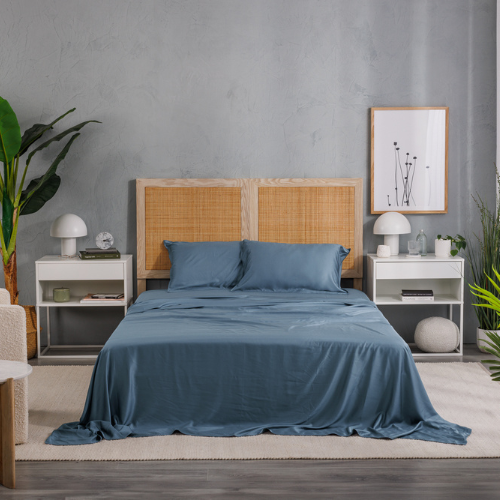
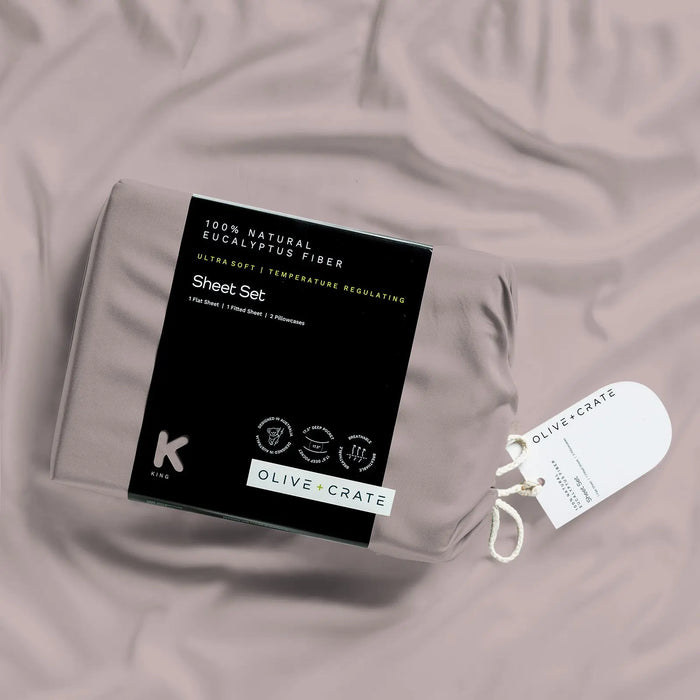
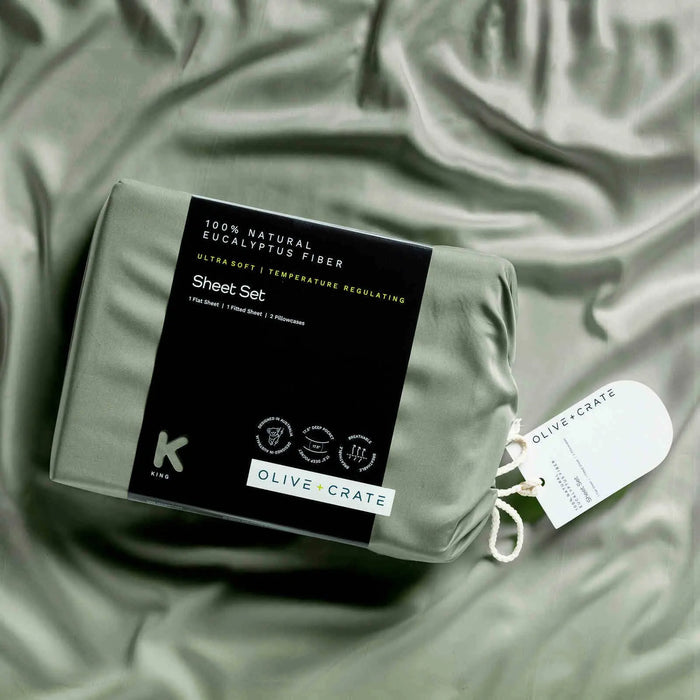
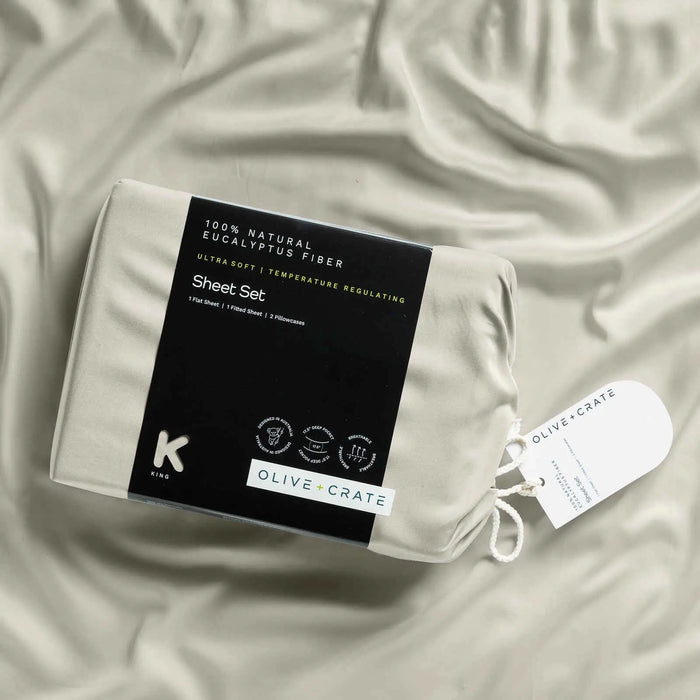
Our TENCEL™ Lyocell Eucalyptus Cooling Sheet set is designed around the same factors we’ve mentioned above. It is available in different sizes, uses a smooth, soft, and breathable fabric, has a balanced thread count, and features a silky-smooth weave.
Right Fit for Your Mattress
In Step 1, we mentioned the sheet should be a perfect fit for your mattress. Olive + Crate TENCEL™ sheets come in a wide range of sizes, from Twin and Twin XL to Queen, King, California King, and even Split King. Plus, the fitted sheet with diagonal corner elastic features deep pockets (18” for Queen, King, and California King and 16" for Twin XL and Full sizes) to accommodate deeper mattresses and a secure fit.
Complete Sheet Setup
Earlier we mentioned that a fitted sheet and flat sheet are designed to work together. Well, each of Olive + Crate TENCEL™ sheet sets includes a fitted sheet, a flat sheet, and two pillowcases. That gives you a complete setup.
TENCEL™ for Cooling and Comfort
If you tend to sleep warm or want something soft and smooth against your skin, Olive + Crate’s sheets use TENCEL™ Lyocell fabric, which is made from eucalyptus-derived lyocell fibers. This makes the sheets breathable and moisture-wicking, with a smooth surface and silky-soft feel. Plus, our sheets are OEKO-TEX Standard 100, which means they are rigorously tested against harmful chemicals.
300 Thread Count and Smooth Weave
When it comes to thread count, Olive + Crate’s TENCEL™ sheets have a 300-thread count, which falls comfortably within the range we recommended earlier. And since our sheets use TENCEL™ fiber, you get to enjoy a noticeably softer, silkier feel than higher-thread-count cotton, but not as slippery as silk or satin.
Common Questions About Buying Bed Sheets