

Better Sleep Month usually focuses on bedtime habits, but fabric affects sleep just as directly.
The material closest to your skin influences heat, moisture, and comfort through the night, which can change how easily sleep stays uninterrupted.
Does Fabric Really Affect Sleep?
Yes. Fabric affects sleep because it changes how heat and moisture build up while you rest.
If bedding traps warmth, the body keeps adjusting instead of settling into deeper sleep.
What matters most:
-
airflow through the weave
-
how fabric handles moisture
-
heat retention
Room temperature still matters, but bedding often determines whether that temperature feels comfortable through the night.
Why Some Fabrics Lead to Light, Broken Sleep
Not every disruption feels obvious. Often it shows up as extra movement or brief waking.
Common causes:
-
trapped heat
-
retained moisture
-
clingy texture
-
friction when turning
These small disruptions can make sleep lighter over time. It is one reason hidden sleep debt can build quietly, even when bedtime stays consistent.
How Fabric Changes the Feel of Sleep
Why Breathability Matters More Than Softness
Soft fabric can still sleep warm.
Some materials feel smooth at first but hold heat once body warmth builds. Others feel simpler but stay comfortable longer because air moves through them more easily.
Breathability usually matters more than surface softness once the body settles into sleep.
Why Moisture Changes Fabric Overnight
The body releases moisture during sleep, even when it is not noticeable.
Some fabrics spread that moisture and let it evaporate. Others keep humidity close to the skin, which can make the bed feel warmer through the night.
A simple pattern:
-
natural fibers breathe more evenly
-
synthetic blends dry faster
-
dense fabrics hold warmth longer
This is why natural and synthetic fibers often feel different by morning.
Which Fabrics Support Better Sleep?
Different fabrics support sleep in different ways.
A simple breakdown:
-
cotton for steady airflow
-
linen for cooling
-
wool for moisture balance
-
eucalyptus for a smoother, cooler feel
-
blends for mixed performance
Cotton usually feels balanced and familiar.
Linen stays cooler because the weave allows more airflow.
Wool manages moisture well and often stays comfortable across seasons.
Eucalyptus-based fibers, including TENCEL™, tend to feel smooth and cool while moving moisture away quickly.
The best choice usually depends on how your body reacts to heat and movement at night.
Weave is as Important as Fiber
Fiber alone does not determine how bedding feels.
Percale usually feels lighter because the weave stays open. Sateen feels smoother but often keeps more warmth close to the body.
Thread count is often considered important. However, tighter weaves mean poor air circulation. And so, weave and finish are just as important as the type of fiber used.
Why Heat Changes Everything at Night
Why Hot Sleepers Notice Fabric Immediately
If you sleep warm, fabric becomes noticeable fast.
Heat builds between skin, sheet, and mattress layers. When the material cannot release it, discomfort starts early.
Common signs:
-
kicking off covers
-
flipping the pillow
-
moving your legs often
-
waking up warm
Cooler sheet materials usually make the biggest difference first.
Why Comfort Often Fails Before You Fall Asleep
Sometimes discomfort starts before sleep even begins.
A sheet may bunch under your legs, feel rough at pressure points, or pull when you turn. Small texture issues can keep the body from fully relaxing.
A lot of comfort issues at bedtime come from fabric that does not move well with the body.
Does Fabric Matter Beyond Sheets?
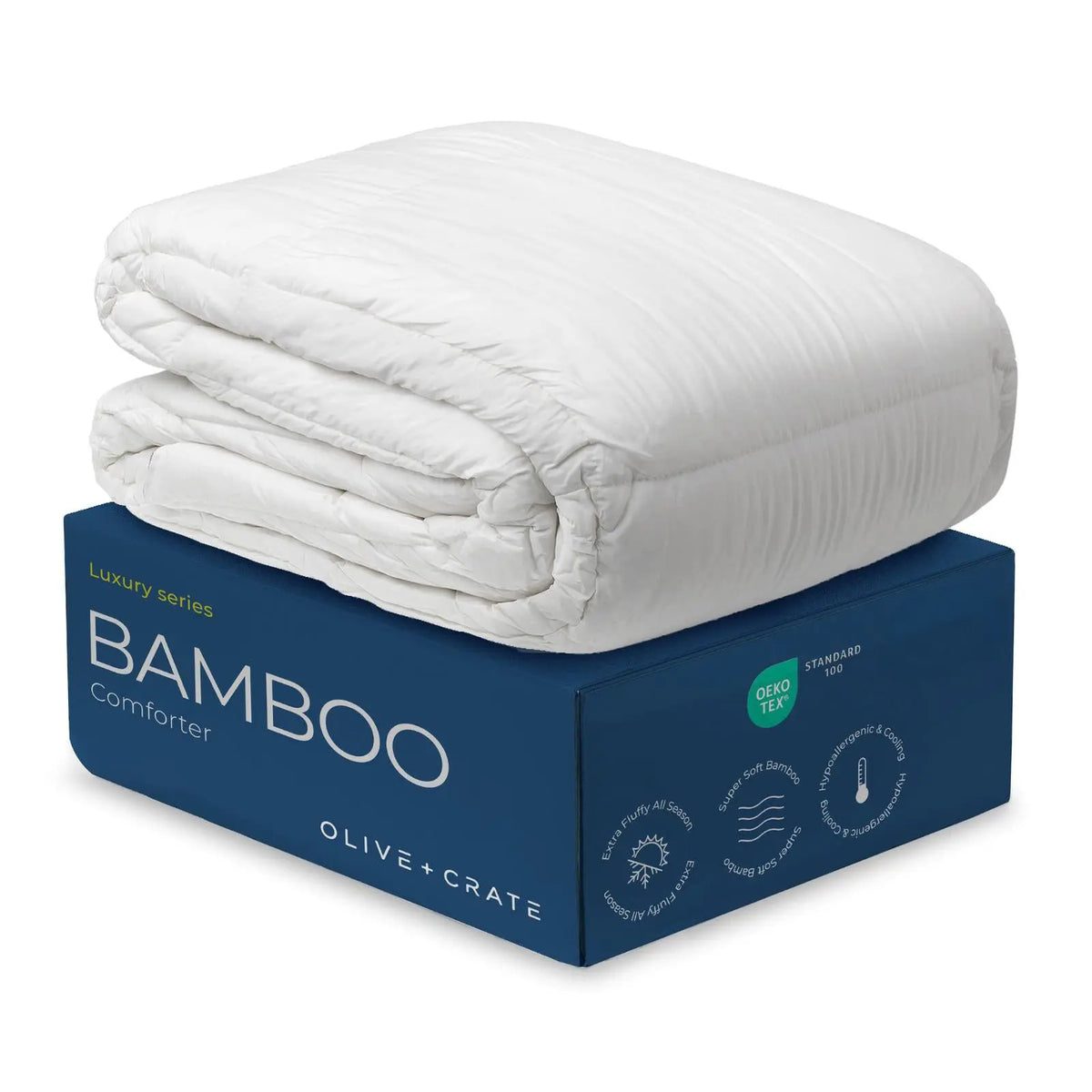
Why Comforters Control Heat Retention
Sheets may be important, but it's the layer on top that determines if heat leaves your bed.
A sheet that breathes well under a thick comforter will still make you feel hot because the insulating effect comes from above.
For this reason, light comforter filling will be the way to go if your sheets already feel comfortable to you but sleep remains warm anyway.
Why Layering Works Better Than One Heavy Fabric
Layering gives more control than one thick layer.
It helps because it allows:
-
adjustable warmth
-
easier cooling
-
less trapped humidity
That flexibility matters when body temperature shifts during the night.
When Fabric Affects Skin and Air Quality
Why Sensitive Sleepers React Differently
Fabric stays against the skin for hours, so irritation builds gradually.
Dust retention, surface friction, and trapped particles often matter more for sensitive sleepers than expected.
Bedding choices can affect comfort even when fabric feels soft at first.
Why Clean Fabric Sleeps Better
Fabric changes when buildup collects.
Body oil, detergent residue, and dust all affect how bedding feels and breathes.
A few signs it is time to wash bedding:
-
warmth builds faster
-
sheets feel heavier
-
softness fades
-
the bed feels less fresh
Clean bedding habits often improve sleep quickly.
Why Fabric Works Best With Good Sleep Habits
Why Bedding Cannot Fix a Poor Routine Alone
Fabric helps, but it cannot fix an inconsistent routine.
Even breathable bedding works less well when sleep timing changes every night or screens stay on too late.
A few small nightly habits help fabric do its job better:
-
keep bedtime consistent
-
lower evening light
-
cool the room slightly
-
avoid heavy late meals
Better Sleep Month: What Should You Change First?
Start With Sheets Before Bigger Upgrades
If sleep feels off, sheets are usually the easiest place to start.
A simple reset:
-
reassess sheets
-
review layering
-
reduce retained heat
-
wash bedding more often
Before changing bigger bedroom pieces, start with sheet materials that improve airflow and skin comfort first. Small changes here often make sleep noticeably easier.