

What Is a Cooling Blanket?
Unlike a conventional blanket, which is generally for providing warmth, a cooling blanket takes a different approach. Instead of focusing primarily on insulation, it aims to reduce or regulate the heat that builds up around you and help move that heat and moisture away.
Depending on the material and construction, a cooling blanket may feel cold when you first touch it, allow more airflow, or wick away moisture more.
Do Cooling Blankets Actually Work?
Yes, cooling blankets actually work. But keep in mind that a cooling blanket won't actively lower your body temperature. What it can do is change how heat behaves around your body.
For example, a cooling blanket made from a breathable material can make it easier for heat to escape. This can reduce the warmth that builds up under the blanket, so you may feel more comfortable for longer. Of course, how well a cooling blanket works depends on several factors, which we'll look at below.
How Do Cooling Blankets Work?
Your body naturally produces heat while you sleep, and some of that heat can become trapped beneath your bedding. Cooling blankets help manage this buildup, though how they do it differs depending on the type of blanket you choose.
For instance, if you come across a cooling blanket with a gel layer or other phase-change materials, it pulls heat away from your skin and absorbs it. Over time, however, the material eventually reaches its limits and needs to cool back down before it can absorb more heat again.
There are also cooling blankets made from moisture-wicking fabrics. With this kind, it draws sweat away from your skin and spreads it across a wider surface. The result? The moisture evaporates faster, helping your body cool down naturally.
Then there are fabrics with high thermal conductivity (like specialized synthetic fibers), which pull heat away from your body faster than cotton or standard polyester and disperse it.
What Makes a Cooling Blanket Effective?
If you are shopping for a cooling blanket that is likely to work well for you, there are several things worth looking at:
Material
Different fibers have different properties. Some are naturally breathable, while others handle moisture better. For instance, cotton is breathable but holds on to moisture more (that's why the fabric can feel damp partway through the night). With synthetic cooling blends, they provide an instant cold-to-the-touch feeling but aren't breathable.
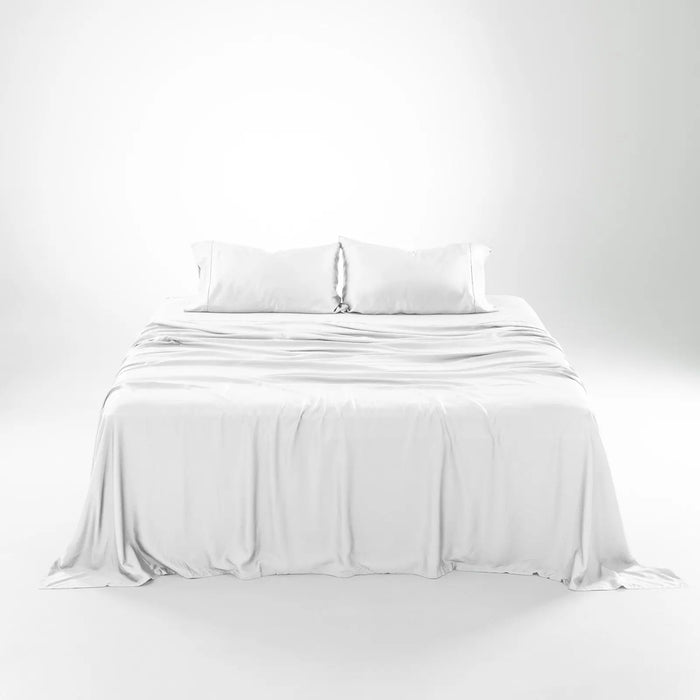
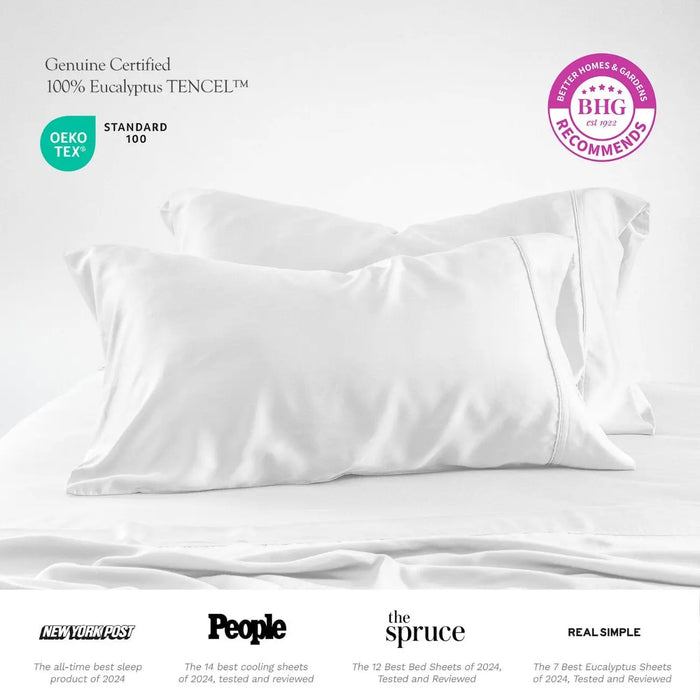
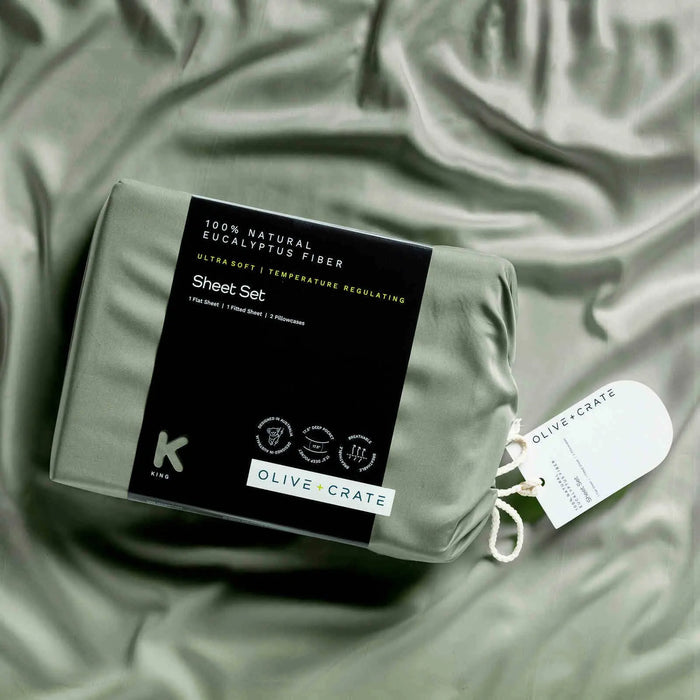
So, which material should you look for? Consider TENCEL™ lyocell, like the Olive + Crate TENCEL Lyocell Eucalyptus Cooling Sheet Set, because it combines breathability with good moisture management.

Weave Pattern and Thread Count
Beyond fiber choice, the weave can also affect a blanket's cooling properties. For instance, percale weave is more breathable than sateen because of its plain weave pattern.
Thread count matters, too. Typically, blankets with higher thread counts have more yarns packed into each square inch, making it harder for air to pass through.
Of course, this doesn't mean a high thread count automatically makes a blanket warmer, since fiber and weave can also affect breathability.
Weight and Thickness
Weight and thickness also matter when choosing a cooling blanket. A thick, heavy blanket will generally provide more insulation, which can be great if you want to stay warm. With a cooling blanket, you will need a lighter, thinner option that provides enough coverage without adding unnecessary warmth.
How Long Does a Cooling Blanket Stay Cool?
When people hear 'cooling,' they think a blanket will stay cold all night, but that's not what happens.
When you first get into bed, you will immediately feel a cool-to-the-touch sensation. But as you remain under the blanket, the material warms up. Once the blanket and your skin are closer in temperature, that initial sensation naturally becomes less noticeable.
Another thing to keep in mind is that different blankets have different approaches to 'cooling.'
There are some options that rely on materials with higher thermal conductivity to move heat away from the skin, while others focus on breathability and moisture management to reduce heat buildup.
With the latter, you might not feel a dramatic cooling sensation when you first touch the blanket. However, the fabric can still help you feel more comfortable by letting heat and moisture escape as you sleep.
What Can’t a Cooling Blanket Do
Some people think a cooling blanket will feel cold all night, replace an air conditioner, or make a hot bedroom feel colder. In reality, once the blanket comes into contact with your skin, heat from your body is transferred into the fabric. Depending on the material, the blanket may help with releasing that heat while allowing air to flow or circulate. But it cannot actively lower your bedroom temperature.
Common Questions About Cooling Blankets