

What Is a Mattress Topper?
A mattress topper is essentially an additional layer that sits between your mattress and sheets.
Unlike a mattress pad, a topper is thick, typically around 1.5 to 4 inches. It may not seem like much, but that extra depth is what makes a topper different from a pad (more on this later!). In fact, its thickness is the reason why it can noticeably change how your bed feels - from soft to overly firm and vice versa.
You can find mattress toppers in different materials such as:
- Memory foam: This type contours closely to your body. The downside is that it traps heat. Look for gel-infused versions instead.
- Polyfoam: A budget-friendly alternative to memory foam that offers cushioning without as much body contouring.
- Latex: This type is responsive, durable and breathable. But is typically more expensive than foam options.
- Hybrid: Combines foam with fiberfill or a quilted top, creating a balance of pressure relief and plush comfort without the deep sink of all-foam designs.
- Down: This type offers an exceptionally soft, cloud-like feel. But often requires professional cleaning to maintain its plushness.
- Cotton: Toppers made from cotton are lightweight, breathable, and easy to care for, but they tend to compress and lose their fluff over time.
What Are the Benefits of a Mattress Topper?
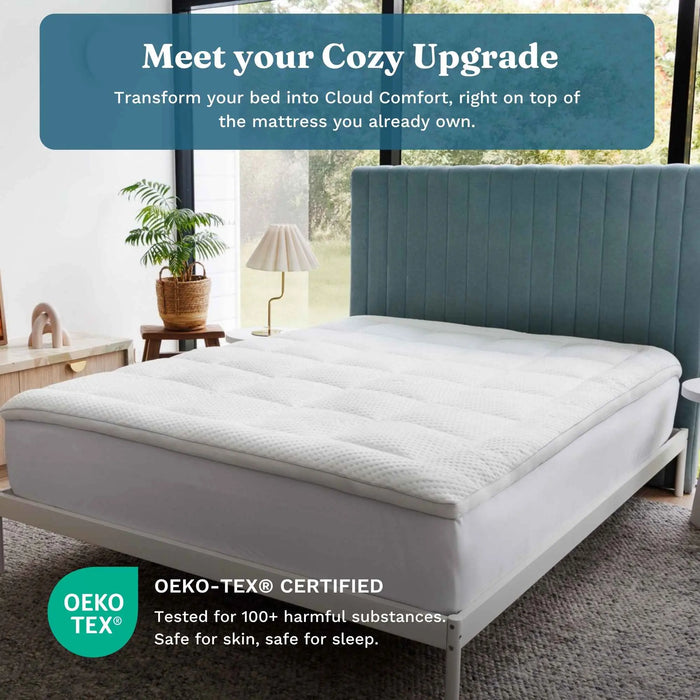
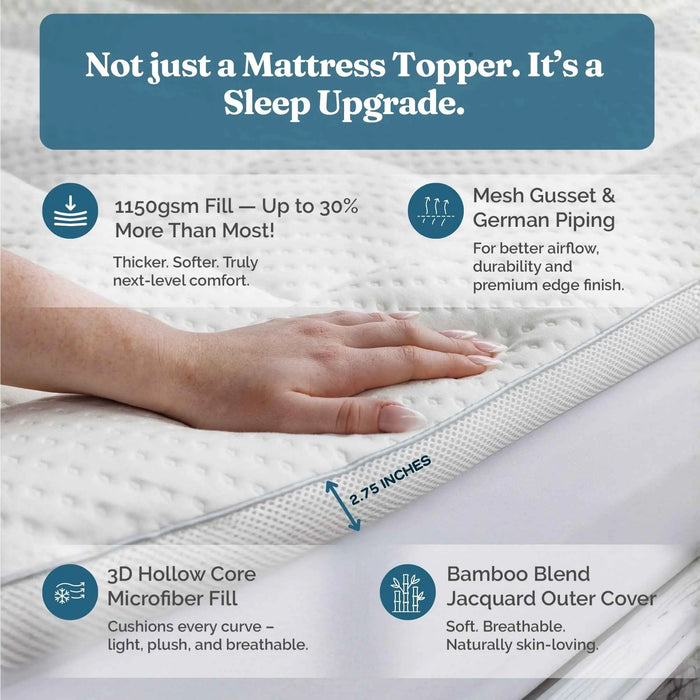
The biggest advantage of a mattress topper is flexibility. Instead of buying a brand new mattress, you can just add a mattress topper. For instance, if your existing mattress is super firm, a softer topper can provide extra cushion. But if you have a soft mattress, opting for a firmer topper can give your back the support it needs.
What Is a Mattress Pad?
Unlike a topper, a mattress pad is designed to make smaller, more subtle improvements to your bed. Most mattress pads are less than an inch thick, so they add a light layer of cushioning rather than dramatically changing your mattress's firmness or support. This also means that you should expect it to make a firm mattress feel plush or an overly soft mattress feel more supportive.
A mattress pad is available in different materials:
- Cotton: Cotton mattress pads are typically filled with down or polyester.
- Polyester: Most affordable but can trap heat and has low breathability.
- Natural down: Natural down pads are known for their plushness. However, they often have a higher price tag than other types.
- Wool: Wool mattress pads are great for natural temperature regulation, especially during cold, winter months.
What Are the Benefits of a Mattress Pad?
Aside from providing additional comfort, a mattress pad has other advantages, including:
- Easy to maintain: Most pads are machine washable. You just pull it off and throw it in the wash instead of trying to spot-clean a thick block of foam.
- Fairly inexpensive: Pads cost less than toppers because they use far less material, making them an affordable upgrade.
- Protective layer: Sweat, oil, and regular use gradually wear a mattress' surface. With a pad, it absorbs much of that before it ever reaches the mattress underneath.
Mattress Pad vs Mattress Topper: What Are the Differences?
As we mentioned earlier in the introduction, mattress toppers and mattress pads are entirely different from one another, even though both are placed on top of your mattress. They differ in purpose, thickness, maintenance requirements, and comfort benefits.
Thickness
The easiest way to tell the two apart is their thickness.
A mattress pad is usually available in ¼ to 1 inch thickness, which only adds a light layer of cushioning but doesn't significantly change the feel of your mattress. By comparison, a mattress topper is typically 1.5 to 4 inches (even more!). That extra material allows it to compress under your body weight, which is why it can provide noticeably better comfort and support.
Breathability
Neither product is automatically cooler than the other because breathability depends largely on the materials used.
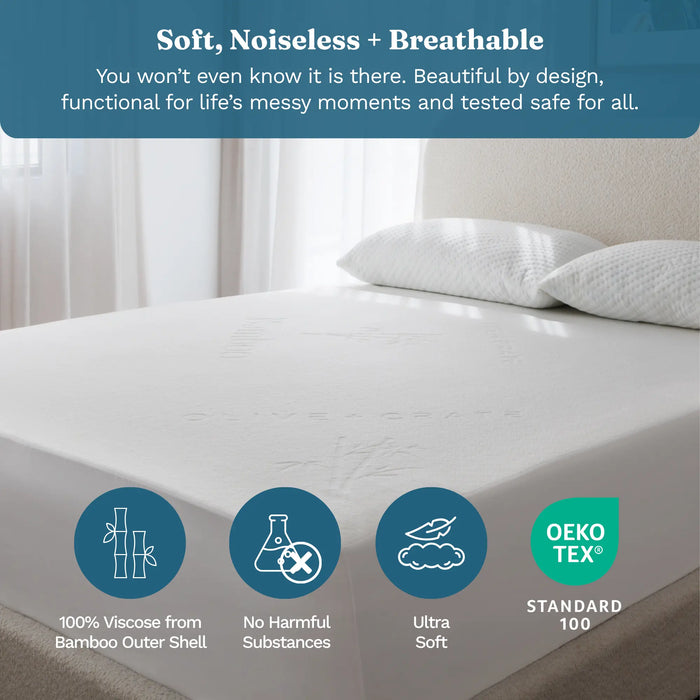
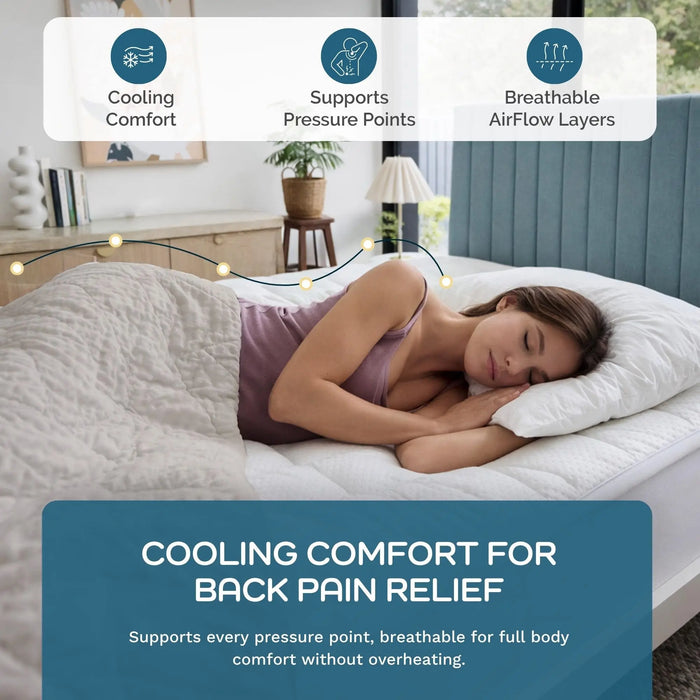
Since mattress pads are thinner, they usually allow more airflow and trap less heat. With toppers, it varies more. For instance, traditional memory foam retains more warmth compared to latex and wool. Fortunately, there are cooling-focused designs like OEKO-TEX Certified material with a bamboo jacquard-blend cover.
Comfort and Support
If you think thickness won't affect comfort and support, think again. With a mattress pad, it only slightly softens the sleeping surface, while preserving the overall feel of your mattress. On the other hand, a mattress topper dramatically changes the sleeping experience more. Depending on the material and firmness, it can soften a firm mattress or make an overly soft mattress feel more supportive.
Protection
Both pads and toppers create an extra layer between the mattress and sheets. However, that isn't a 100% guarantee that some liquid or dirt won't reach your mattress. So, for added protection, we highly suggest getting a waterproof cover.
Durability and Maintenance
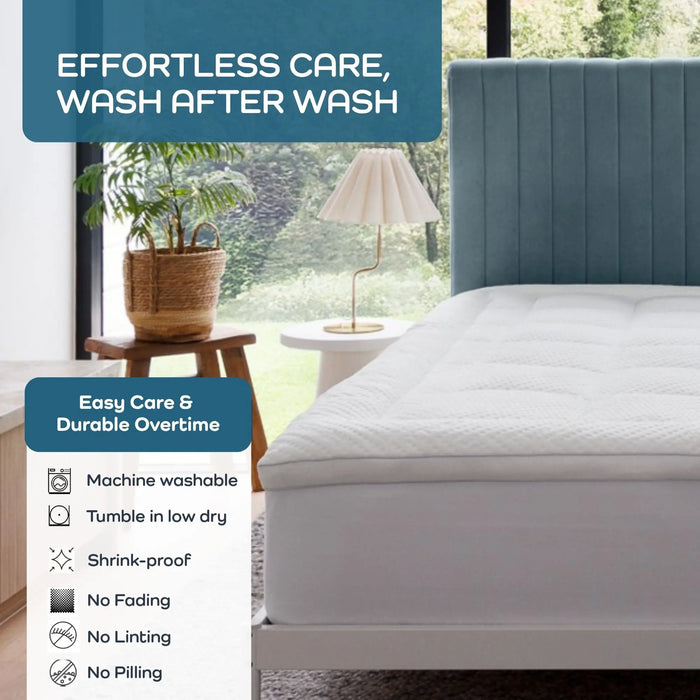
If easy maintenance is one of your priorities, a mattress pad is the one you need. Many mattress pads fit in a household washing machine, but keep in mind that since they're thinner and washed more often, they typically wear out sooner.
Mattress toppers, on the other hand, require more care. For instance, foam toppers are often spot-clean only unless they come with a removable waterproof cover. The trade-off is that their thicker construction typically gives them a longer lifespan than mattress pads.
Tip: Proper care and maintenance are always critical if you want to keep either a pad or a topper from lasting longer.
Purpose
With a mattress pad, you are just making a small comfort upgrade since they are thinner and essentially adding a protective layer between you and your mattress. A mattress topper, on the other hand, drastically changes how your mattress feels because they are thicker.
Price Range
If you are on a tight budget, a mattress pad is easier on your pockets because, again, it uses less material and has a simpler construction. Most cost around $20 to $60, although premium materials may have a heftier price tag.
Mattress toppers cost more, typically ranging from $50 to $300, with some costing as much as a new mattress. A middle-range topper is usually the best option for those who value quality and budget.
Which Should You Choose, A Mattress Pad or a Mattress Topper?
By this point, this choice comes down to one question: What are you trying to improve?
If you already sleep comfortably and simply want a little extra softness or a layer that helps protect your mattress, a mattress pad is usually enough. On the other hand, if your mattress no longer feels comfortable and you're hoping to change its firmness, cushioning, or overall support, you'll likely get better results from a mattress topper.
Choose a Mattress Pad If:
- Your mattress already feels comfortable but can benefit from a small comfort upgrade.
- You'd like an extra layer that helps reduce everyday wear.
- You want something easy to remove, wash, and maintain.
Choose a Mattress Topper If:
- You want more cushioning, pressure relief, or support without replacing your mattress
- You're trying to make a dorm, guest room, or rental mattress more comfortable.
- Your current mattress is just too firm or too soft.
Something to keep in mind: Before you decide which one is better, it's worth setting realistic expectations. It is true that both products can help increase sleep comfort, but neither can repair a worn-out mattress. Adding a layer will only mask the problem.
Common Questions About Mattress Pad and Topper