


Seal Window and Door Leaks
That little stream of cold air sneaking in around the frame might not seem like a big deal in October and November. Come winter, though, you'll be paying to hear air that's immediately making a break for it.
So, take a walk around the house and check your exterior doors and windows for obvious gaps. Run your hand around the edges and see if you feel cold air coming in. You can also look for cracked caulk, gaps around the frame, or weatherstripping that generally looks like it has seen better days.
Remember, caulk works well for sealing cracks and gaps around stationary parts of windows. On the other hand, weatherstripping helps close up the gaps around the doors and other moving parts. And yes, you can do both without calling a handyman.
Schedule a Furnace Inspection
Your furnace has been sitting around all summer doing absolutely nothing. The problem is assuming it will wake up in fall and immediately perform like it never had a few weeks off.
A fall inspection gives you a chance to catch worn parts, buildup, or other problems before you use your heating system daily. There's also a timing advantage. Once cold weather arrives, HVAC technicians can get busy, and a furnace that quits in the middle of a cold snap won't care that the technician is booked until next week.
A fall tune-up can also help your furnace run more efficiently, especially if dirt or a neglected component is making it work harder than it needs to. And if the inspection turns up a repair that costs more than expected, finding out in the fall gives you time to deal with it instead of discovering the problem when you're standing in a freezing house.
Clear Out the Gutters
Your gutters have spent the last few weeks collecting leaves, twigs, and whatever else the trees decided to drop on your roof. Before winter adds layers of snow to the mix, it's worth evicting all of it.
A gutter full of wet leaves doesn't just look messy. The debris can also be the perfect shelter for small pests looking for refuge or somewhere to hide as the weather gets colder.
Then, there's weight. As temperature drops, that soggy can become surprisingly heavy, putting extra strain on the gutters and their fasteners. If debris blocks the flow, the problem can worsen because water can't drain properly.
In a worst-case scenario, instead of flowing away from the house, it can spill over the sides and collect around the foundation, which, if left unaddressed, can turn into a costly repair!
There's another problem once freezing weather arrives. Water that gets trapped around the roofline can freeze and refreeze, potentially contributing to ice buildup and giving melting snow fewer places to go. If water finds its way beneath the roof covering, you could end up dealing with leaks and water damage inside the house.
Prep Your Lawn and Garden
Prepping your lawn and garden is not the most glamorous weekend project, but you'll be glad you handled it before the temperature really drops.
Start with anything that isn't meant to spend the winter outside. For instance, if you have potted plants, move them to an area that roofed area. Bring equipment like power washers inside the garage. If you have battery-powered garden tools, check the manufacturer's storage recommendations and remove the battery.
Your plants need some protection, too. Ideally, you should add around 2 to 3 inches of mulch around plant beds and trees. The mulch will help insulate the soil, retain moisture, and protect roots from temperature swings. And if you have a cool-season lawn like fescue, early fall is also a good time to fertilize it. And while you're already outside, trim branches that could become a problem under the weight of snow or ice.
Also take care of anything involving water before temperatures drop. Start by disconnecting garden hoses from faucets and draining them completely. Why? Leaving water trapped in the hose or faucet can freeze and expand. Once pressure builds, the connected pipe can crack or burst.
If you've already sorted that out, insulate any exposed pipes, too. If you have an in-ground sprinkler system, check the manufacturer's winterization procedure (most need the water blown out of the lines).
Replace HVAC Filters
Once you start using your heating system regularly, the filter will be dealing with more airflow. If it's already covered in dust and debris, that buildup can restrict airflow and make your system work harder to move air through the house, which you don't want to start the heating season.
If it's visibly dirty or clogged, replace it now rather than hoping it will pull through until the end of the year. So, how often should you replace it? Some are designed to last around three months, while others need to be changed more frequently, especially if you have pets or are sensitive to dust and other allergens.
So, if you can't remember the last time you changed the filter, now is a good time to replace it.
Check the Fireplace and Chimney
Settling in beside a fireplace when it's cold outside is one of the best parts of the cold-weather season. But before you make that your daily routine, make sure the fireplace and chimney are ready for another season of cozy fires.
Soot (leftover carbon particles) and creosote (sticky byproduct of burning wood) can build up. Both are combustible, and a heavy buildup gives a fire or stray ember something it really doesn't need (more fuel).
So, before you start lighting the fireplace, check both the firebox and chimney for buildup and have the chimney professionally inspected or cleaned when needed. Remember, a cozy fire is great, but a chimney fire is not.
Check Your Smoke Detectors
Speaking of fire, it's also a good time to make sure your smoke detectors actually work.
Detectors can lose power or stop working over time, even when everything seems fine. Do a quick test by pressing the test button for at least 5 seconds. If it's still working, you should hear a loud, piercing siren. If the sound is faint or you don't hear anything at all, that's a good indicator that it is due for a battery replacement.
While you're at it, check your carbon monoxide detectors, too. Furnaces and other gas-burning appliances can produce carbon monoxide. This gas is odorless and colorless, so your nose isn't going to give you much warning if it starts building up indoors.
Since you'll be relying on your heating system more often and spending more time indoors, working carbon monoxide detectors are especially important during the colder months.
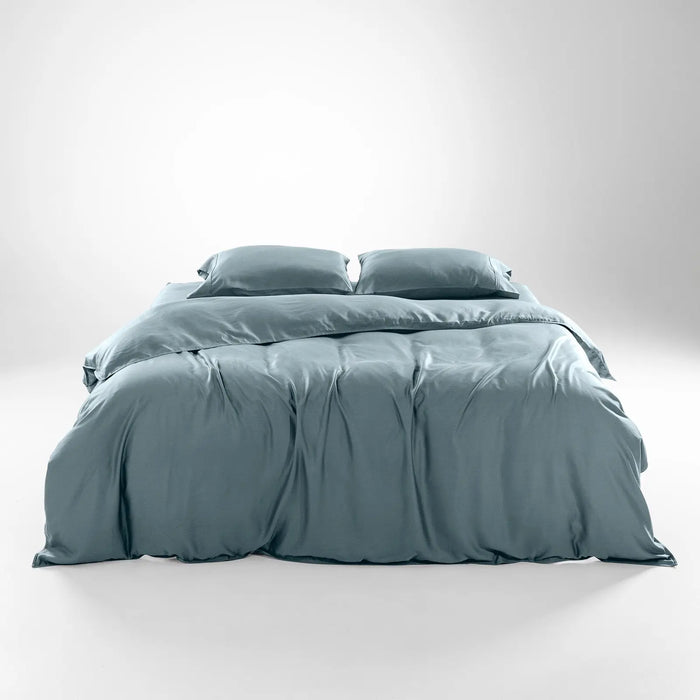
Prep Your Bedroom
Before you pile on the blankets and disappear into the bed for the season, give your room a proper reset.
Start with the bedding. Wash your sheets, pillowcases, duvet cover, and comforter according to their care instruction. In fall, wash your sheets every 7 to 10 days because, although you sweat less, natural oils and dirt can still accumulate. Having a mattress protector helps too because there's an actual barrier stopping spills from reaching your mattress.
Don't forget to flip your mattress too. Sleeping in the same position night after night can contribute to uneven wear and create permanent body impressions.
Then, give the room a little attention beyond the bed. Dust those corners you normally ignore, vacuum underneath and around the furniture, and clear out the clutter that's somehow been accumulating since spring.
You can find more tips in our fall bedroom cleaning checklist. Remember, a clean, less crowded room with freshly washed bedding is nicer to retreat to when the temperatures outdoors are freezing.

Get Your Kitchen Ready for Fall Cooking
If fall for you means making apple crisp, pumpkin bread, and casseroles, don't ignore the kitchen. Before the baking gets underway, give your oven a quick inspection. See any old spills, crumbs, or baked-on food hanging around? Now's the time to deal with them before they become part of the next batch.
For baked-on food, you should ideally use the oven cleaner recommended by the manufacturer. Alternatively, you can mix baking soda, white vinegar, and water into a cleaning paste. If the leftover has been sitting since summer, give the mixture time to soften up the buildup before wiping it away.
Don't forget to give your refrigerator a clean-out, too. Toss expired or forgotten food, and if your refrigerator has accessible condenser coils, dust or vacuum them too.