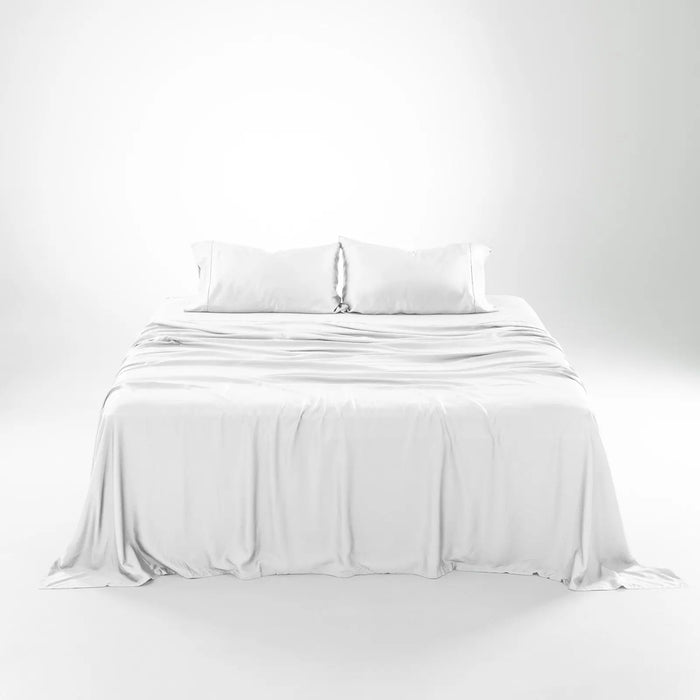


What Is Pilling In Sheets?
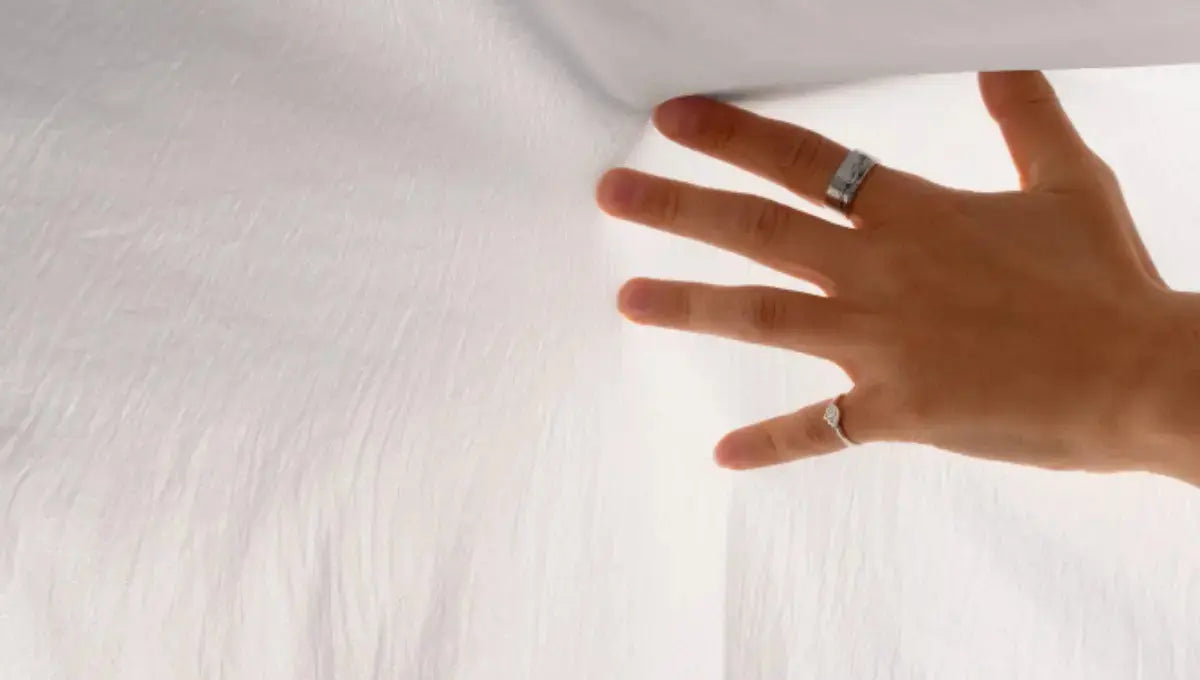
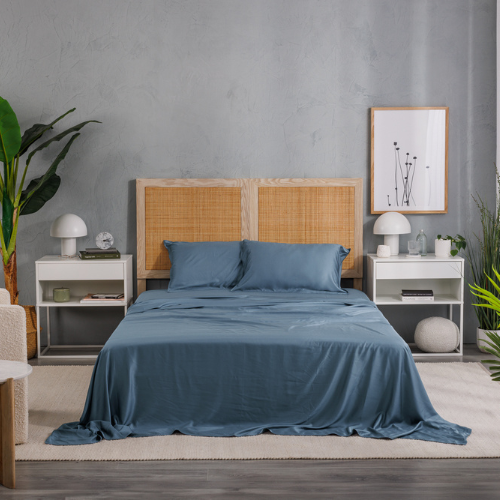
If you run your hands over the surface of your bed sheets, what do you feel? Is it smooth, or do you feel rough, bumpy balls clinging to the surface? If it's the latter, that's what you call pilling. Those tiny balls aren't dirt, and they won't wash out on their own. They are actually fibers that have broken away from the weave and knotted themselves together on the surface of the fabric. And yes, it doesn't only occur in sheets but also in your socks, pants, shirts, and other garments.
Why Do Sheets Pill?
The main reason sheets pill is that fibers loosen or break from the weave or yarn’s surface. When these loose fibers are exposed to friction, heat, and other stressors, they tangle together rather than fall away. Once several fibers become entangled, they form the small and rough balls you see and feel on your sheet’s surface.
Reason#1 - High Dryer Heat
While setting the dryer to maximum heat speeds up the drying process, it actually damages your sheets. Extreme heat dries out the fibers' natural moisture, and repeated exposure can make them brittle. And yes, the damage is not immediate, but over time, you’ll notice your sheets becoming stiffer, rougher, with pills gradually appearing.
Reason #2 - Short or Weak Fibers
Sometimes pilling occurs because of the fibers themselves, particularly their length. Shorter fibers are more likely to work their way out of the fabric and tangle together, which can lead to those small pills forming on the surface. One perfect example is cotton. This fabric uses individual fibers called staples, and yes, they are relatively short. There are, however, some cotton varieties with longer fibers (more on this later!).
Reason #3 - Overloaded Washing Machine and Rough Washing Cycles
When there’s too much fabric packed into the drum, your sheets have less room to move around. Not only does this prevent the water and detergent from reaching the fabric properly, but it also creates more friction between the sheets, which can cause loose fiber to tangle and form pills.
Reason #4 - Harsh Soap and Fabric Softeners
Laundry products can affect sheets in ways that aren’t immediately obvious. Fabric softeners coat the fibers with a thin layer of chemicals that reduces static and makes the sheet feel softer. Over time, the buildup of residue will trap debris, eventually weakening the fibers' structural integrity.
Harsh detergents can create a different problem. For instance, a high-alkaline detergent destroys the protein fibers of silk, wool, and cashmere, weakens the cellulose fibers of cotton, and ruins the elasticity of spandex.
Again, once fibers become weakened or damaged, they are more likely to break and tangle with surrounding fibers, contributing to pilling.
Reason #5 - Multi-Ply Yarn Construction
Multi-ply yarn construction isn’t automatically bad. As a matter of fact, twisting multiple strands together locks the fibers in place and makes the yarn more resistant to abrasion. The issue is what those strands are made from.
Some manufacturers use shorter, lower-quality fibers and twist several yarns together to achieve a higher advertised thread count. While this can make the fabric feel substantial at first, those shorter fibers, as we mentioned earlier, have more fiber ends and are thus more likely to work their way to the surface with repeated washing and friction.
For most quality cotton sheets, between 200 and 400 is a good thread count because it balances softness and durability. An extremely high thread count can actually pill faster if they rely on weaker multi-ply yarns.
Reason #6 - Poor Weave Method
A poor weaving method can also make sheets more prone to pilling. If the weave is uneven or the yarns aren’t properly tensioned, the fabric can develop areas where the yarns move more freely and rub against one another. Over time, this can fray and break individual fibers, causing them to tangle into small pills.
The way a fabric is woven also affects other characteristics, such as its texture, drape, and breathability. For example, percale and sateen use different weave structures, which give them distinct surface characteristics.
How to Prevent Sheets Pilling?
Pilling can appear even for good-quality bedding. But you can most certainly reduce the chances of pilling by following these tips:
Don't Overload the Washer
It can be tempting to overload the washer, especially when you have too much laundry to do, but as we mentioned earlier, overloading can contribute to pilling. Ideally, you should fill the washer no more than about three-quarters full (or less). This gives your sheets enough room to move freely rather than rub tightly against themselves, other garments, and the drum wall.
Shift to Gentle Washing
Always wash your sheets in cool (30°C ) to warm water (60°C) rather than very hot water. Why? That's because lower temperatures reduce thermal stress on the fibers and can help minimize shrinkage and other forms of fabric wear that accumulate over repeated washes.
Drying matters as much as washing. High heat can also accelerate the breakdown of fibers and cause additional shrinkage. Ideally, you should use a low-heat setting or, if possible, air dry.
Rotate Between Multiple Sheet Sets
Instead of using and washing the same sheets every week, have at least two sets that you can alternate between. Use one set for a week, then switch to the other the following week. This gives each set a break before it goes back on the bed, rather than putting the same sheets through continuous weekly use.
Skip Fabric Softeners
If your goal is softer sheets, you don’t have to rely on fabric softeners. A small amount of white vinegar (you just need 1/2 cup to 1 cup) in the rinse cycle can soften the fibers by breaking down and rinsing away soap residue and hard water minerals.
Tip: If your furry friend sleeps on the bed with you, make sure to trim their nails.
How to Fix Pilled Sheets?
If your sheets have already developed pills, don’t automatically throw them away! And, no, don’t pull the pills off by hand! Pulling them can drag intact fibers out of the fabric along with the pill. Try these methods instead:
Use a Fabric Shaver
A fabric shaver trims pills close to the surface without damaging the surrounding fabric. Since it uses a guarded cutting mechanism, you can cover more area with minimal effort. Plus, it’s simple to use. All you need to do is lay the sheet flat and tau. Then, move the shaver slowly over the surface, avoiding repeatedly grinding over the same spot.
Something to keep in mind, though. We don’t recommend using a fabric shaver on a sheet made of delicate fabric.
Use a Disposable Razor
If the pilled area is small, you can just use a razor blade. Again, slightly stretch the sheet on a flat surface and move the razor gently in one direction or stroke. Avoid pressing too hard and repeatedly moving the blade back and forth, as the blade’s sharp edges can snag the weave.
Try a Sweater Comb
Unlike a fabric shaver that mechanically cuts pills, sweater combs use a textured mesh edge to gently surface pills. And, as you might have already expected, it’s a slower process and requires effort. The upside is that there is a minimal risk of damaging the sheets.
When Should You Replace Pilled Sheets?
Pilling by itself doesn’t necessarily mean that you should immediately replace your sheets. In most cases, pilling is only cosmetic, but there are times it signals fiber breakdown.
You should only replace your sheets when you notice any of these signs:
- Thin patches or see-through areas.
- Pills return within days.
- Sheets have become too stiff or rough
- Reduced breathability
- Small holes
- Weak seams
Remember, bed sheets do not last forever. Lifespan is 1.5 to 3 years for fitted sheets, whereas 2 to 4 years for flat sheets.
What Sheet Doesn't Pill?
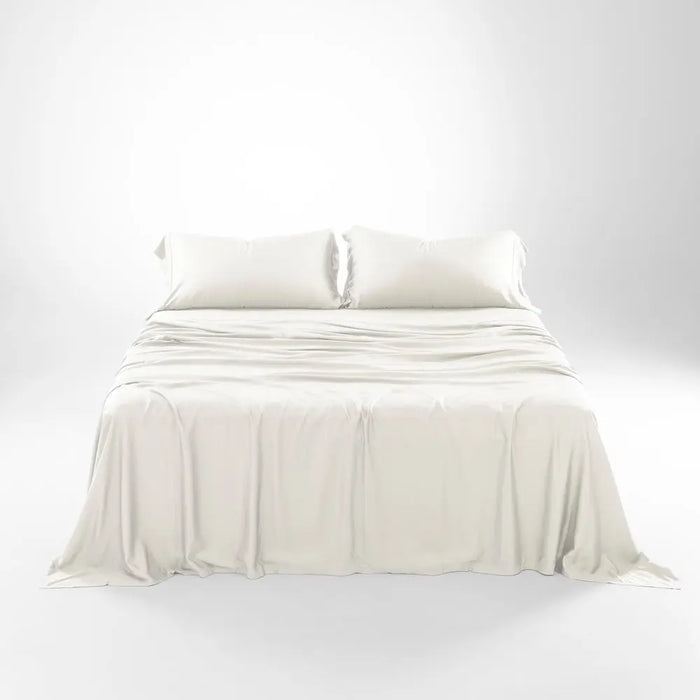
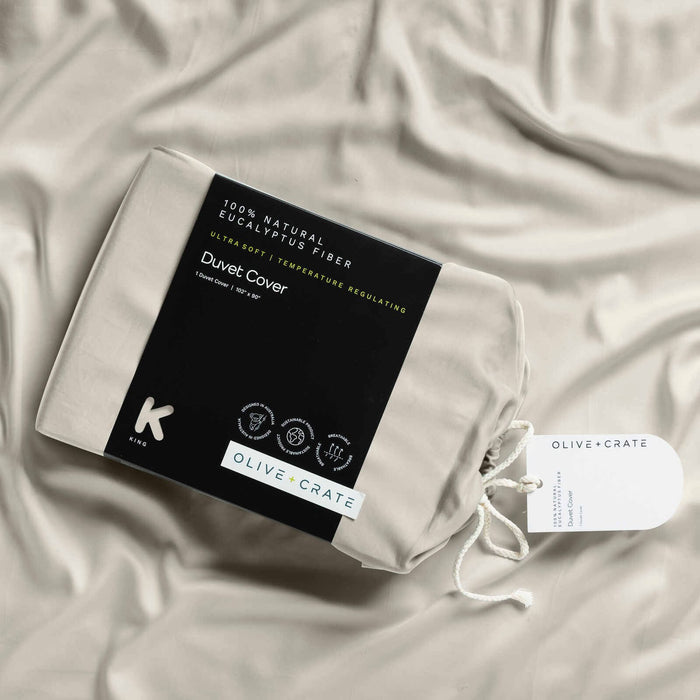
No sheet is completely pill-proof, but some materials are less likely to develop pilling. Cotton, linen, TENCEL™Lyocell, eucalyptus, and silk are some of your choices.
Remember, proper care matters even for brand-new sheets. Again, avoid high heat and harsh detergents.
If you are shopping for good sheets, keep these qualities in mind:
- Long-staple cotton, silk, eucalyptus, and TENCEL™ Lyocell materials are resistant to pilling
- Choose single-ply yarns
- Pick percale weave over sateen
- Look for trusted certifications
Long-Staple Cotton
If you like the feel of cotton, skip short-fiber varieties and look for longer-staple fibers instead. Unlike short fibers, which are typically only around 0.5 to 1 inch, long-staple fibers have 1.25 to 2 inches. This extra length means fewer loose ends exposed on the yarn’s surface, and thus a lower chance of a pill forming. One of the most popular long-staple cotton varieties is Egyptian cotton.
Linen
Linen is another great option. Linen’s fibers are naturally long and use a strong weave construction. And yes, linen is notorious for having a slightly textured surface, but it will eventually soften with age.
TENCEL™ Lyocell
TENCEL™ lyocell is naturally smoother than many traditional bedding materials. Their sleek fiber structure creates less friction, helping reduce pilling and keeping your sheets feeling smooth for longer. But the benefits don’t stop there. Since TENCEL™ Lyocell is also breathable and moisture-wicking.
Like all the sheet materials we covered so far, TENCEL™ Lyocell requires proper care and maintenance to keep looking its best.

Silk
Silk is a natural material made from continuous filaments produced by silkworms. And yes, that means they are never cut into short pieces the way cotton is. Something to keep in mind, though. Silk isn’t necessarily the most practical choice for most households because it's high-maintenance. It requires gentle washing (often hand washing) or dry cleaning to retain its silky, ultra-smooth feel and finish. But in terms of piling resistance, it is still a solid choice.
Common Questions About Sheets Pilling