
If you wake up sweaty or uncomfortable, your bedding could be the reason. What is moisture wicking? It’s a fabric feature that pulls sweat away from your body to keep you dry through the night.
Knowing how it works makes it easier to choose bedding that actually improves your sleep.
What Is Moisture-Wicking and Why Should You Care?
Moisture-wicking refers to a fabric’s ability to draw moisture away from your skin and move it to the surface, where it can evaporate.
Instead of trapping sweat like traditional materials, it helps keep your sleep environment dry and balanced.
Here’s how moisture-wicking fabrics compare to regular ones:
-
Regular fabrics: absorb sweat and hold onto it
-
Moisture-wicking fabrics: pull sweat away and help it evaporate
-
Regular fabrics: can feel heavy or clammy overnight
-
Moisture-wicking fabrics: stay lighter and drier
Breathable fabrics allow air to pass through, but moisture-wicking goes a step further by actively managing sweat.
How Does Moisture-Wicking Fabric Actually Work?
Moisture-wicking fabrics prevent that by moving sweat away before it builds up.
Here’s how the process works:
-
Your body releases sweat during sleep
-
The fabric pulls moisture away from your skin
-
The moisture spreads across the surface of the fabric
-
It evaporates faster due to increased exposure to air
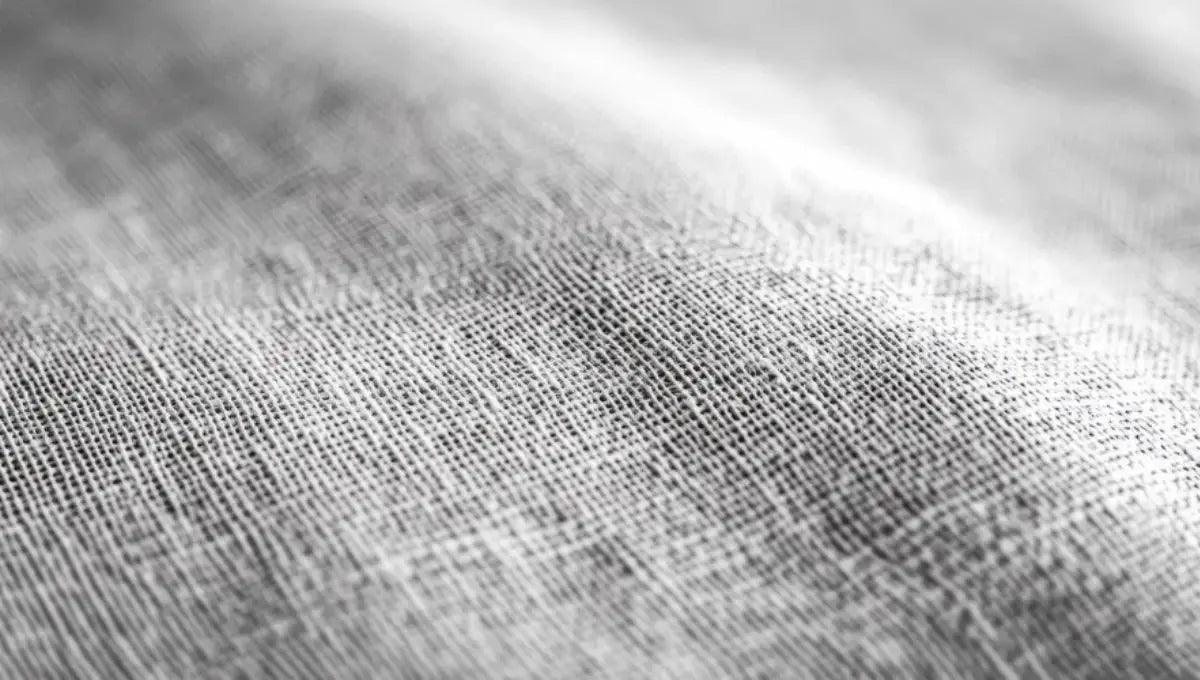
This process is driven by capillary action, where tiny spaces in the fabric draw liquid outward.
Think of it like this: instead of sweat sitting between you and your sheets, it’s constantly being moved away and dispersed so you stay dry.
What Is Moisture-Wicking Fabric Made Of?
Synthetic vs Natural Fibers: What’s the Difference?
Moisture-wicking fabrics can be made from synthetic or natural fibers, but they feel very different in bed.
Synthetic materials like polyester and nylon move moisture efficiently but can trap heat.
Natural fibers like eucalyptus and bamboo are typically softer, more breathable, and better suited for sleep comfort.
If you’re comparing options, this breakdown of natural vs synthetic fibers highlights how they differ in comfort and sustainability.

Natural and synthetic moisture-wicking fibers differ in softness, airflow, and overall sleep comfort.
Which Materials Perform Best in Bedding?
Some materials focus on moisture control, while others balance softness, airflow, and comfort.

Different bedding materials balance moisture control, breathability, and comfort in different ways.
Does Moisture-Wicking Keep You Cool While You Sleep?
Moisture-wicking helps by keeping your skin dry, which makes it easier for your body to regulate heat.
It doesn’t actively cool you. Instead, it removes the conditions that make you feel hot.
If you’re curious how this works alongside temperature control, this guide on cooling sheets explains how moisture and airflow work together.
Myth vs Fact:
-
Myth: Moisture-wicking fabrics lower your body temperature
-
Fact: They help your body cool itself by keeping skin dry
-
Myth: All breathable fabrics are moisture-wicking
-
Fact: Breathability and moisture-wicking are different functions
Moisture-Wicking vs Waterproof: What’s the Difference?
These two are often confused, but they serve opposite purposes.

Moisture-wicking bedding helps manage sweat and airflow, while waterproof materials focus on blocking moisture completely.
Moisture-wicking is not waterproof. In fact, waterproof materials often trap heat and sweat, which can make sleep less comfortable.
Moisture-Wicking vs Quick-Dry: Are They the Same?
They’re related, but not identical.
-
Moisture-wicking: moves sweat away from your skin
-
Quick-dry: allows fabric to dry faster after getting wet
A fabric can do both, but moisture-wicking is what keeps you comfortable during sleep.
What Is Moisture-Wicking Technology in Modern Bedding?
Modern moisture-wicking bedding is designed to move sweat away from your body before it builds up. Many fabrics do this through fiber structure and weave design rather than chemical coatings.
That means the moisture-wicking effect lasts longer and the fabric stays soft, breathable, and comfortable over time.
What Material Is Best for Your Needs?
Choosing the right material comes down to how you sleep and what you value most.
Natural Options for Comfort and Sustainability
Natural fibers tend to offer a balance of softness, breathability, and moisture control.
Eucalyptus-based fabrics are a standout. If you’re unfamiliar, this overview of TENCEL™ explains why it’s widely used in bedding. You can also explore how it compares in this guide to lyocell vs viscose.
Choosing Based on Sleep Style
-
Hot sleepers: eucalyptus or bamboo for maximum airflow
-
Sensitive skin: smooth, natural fibers like TENCEL
-
Eco-conscious buyers: sustainably sourced plant-based fabrics
Why Moisture-Wicking Bedding Is a Game-Changer for Hot Sleepers
Sleeping hot can feel frustrating. Tossing, turning, flipping the pillow. Moisture-wicking bedding helps reduce that cycle by keeping your sleep surface dry.
It’s especially effective when paired with breathable materials. This look at eucalyptus bedding shows how it supports deeper rest, while this cooling guide breaks down practical ways to stay comfortable at night.
Key benefits:
-
Less night sweating
-
More consistent body temperature
-
Fewer sleep disruptions
-
Improved overall comfort
How to Choose the Right Moisture-Wicking Bedding
Not all bedding labeled “cooling” performs the same. The details matter.
If you’re comparing options, this breakdown of bamboo vs cotton vs eucalyptus can help clarify what works best. For a broader approach, this guide on choosing sheets covers the essentials.
What to look for:
-
Fabric type with proven moisture control
-
Breathable weave
-
Softness against skin
-
Durable construction
Focus on how the material feels and performs together, not just one feature.
Final Thoughts: Is Moisture-Wicking Bedding Worth It?
If you deal with overheating or night sweats, moisture-wicking bedding can make a noticeable difference. It helps your body stay dry, which supports more consistent and restful sleep.
When paired with the right materials, it’s a simple upgrade that improves comfort night after night.
This is why many people find that eucalyptus sheets are worth considering for long-term comfort.