

Cold nights don’t call for heavier bedding, they call for better layering.
Knowing how to layer a bed for winter helps you stay warm without overheating, using breathable sheets, flexible blankets, and a comforter that actually works with your body.
This guide breaks down how to layer a bed for comfort, whether you’re easing into autumn or settling in for winter.
Why Layering Bedding Matters in Cold Weather
Autumn and winter are seasons of fluctuation. One night feels mild, the next biting cold. That’s where cold weather bedding and smart layering make all the difference.
Layering allows you to:
-
Adjust warmth easily throughout the night
-
Avoid overheating while staying cozy
-
Create depth and visual interest on your bed
Instead of relying on a single heavy piece, layering distributes warmth more evenly.
If your bedroom struggles to hold heat, explore our guide on 8 ways to keep your room warm in winter for added comfort beyond bedding.
How to Layer a Bed for Cold Months: Step-by-Step
Step 1: Start With a Breathable Base Layer
Every well-layered bed begins at the foundation.
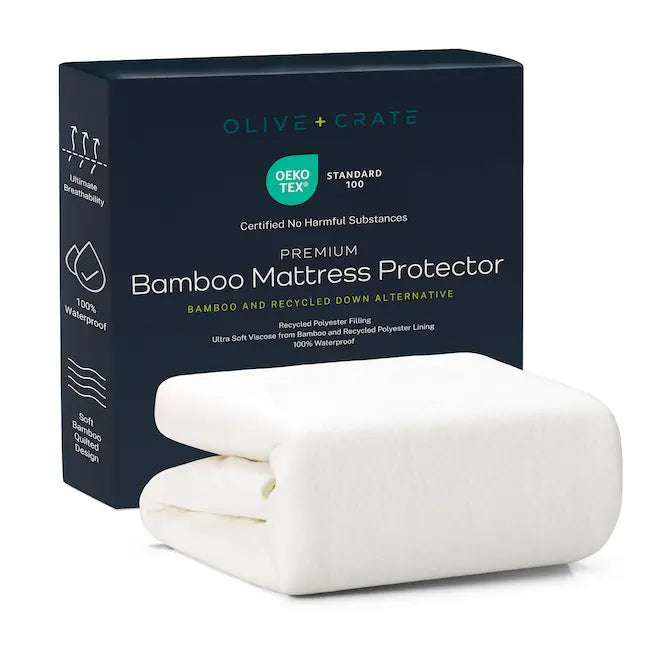
A mattress protector may not be visible, but it sets the tone for comfort.
It adds:
-
Comfort and hygiene
-
Moisture control
-
Extended mattress life
Choosing a breathable, sustainable option helps regulate temperature from the ground up.
This is an often-overlooked detail when learning how to make a bed for winter, especially if your bedroom tends to feel cold.
Step 2: Choose the Right Winter Bedding Sheets
Your sheets matter more than most people realize.
They sit closest to your skin and play a major role in how your body regulates temperature overnight.
When choosing winter bedding sheets, look for materials that:
-
Feel soft, not heavy
-
Wick away moisture
-
Adapt to your body temperature
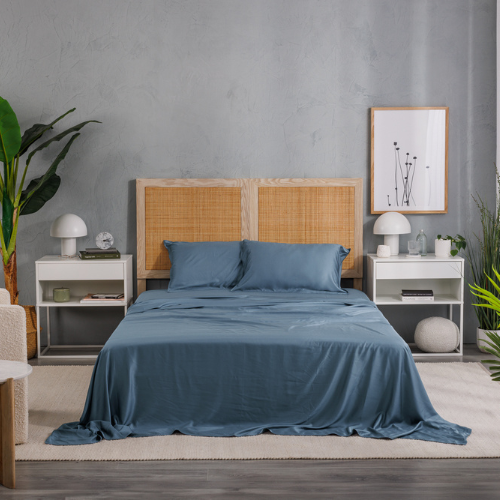
TENCEL™ eucalyptus fiber sheets work especially well here. They feel cool yet cozy, making them ideal for transitional autumn nights and colder winter mornings alike, without the weight of flannel or dense knits.
Step 3: Add the Insulating Middle Layer
This is where warmth really builds.
Depending on your climate and how cold you tend to sleep, this layer might include:
-
A lightweight blanket
-
A quilt or coverlet
-
A thin comforter
A common question at this stage is: blanket above or below the comforter?
-
For extra insulation, place a blanket between sheet and comforter
-
For flexibility, layer the blanket on top so it’s easy to remove
This setup explains how blankets keep you warm; by trapping air close to the body rather than relying on weight alone.
It also helps clarify the difference between blanket vs comforter: blankets add adjustable warmth, while comforters provide structure and consistency.
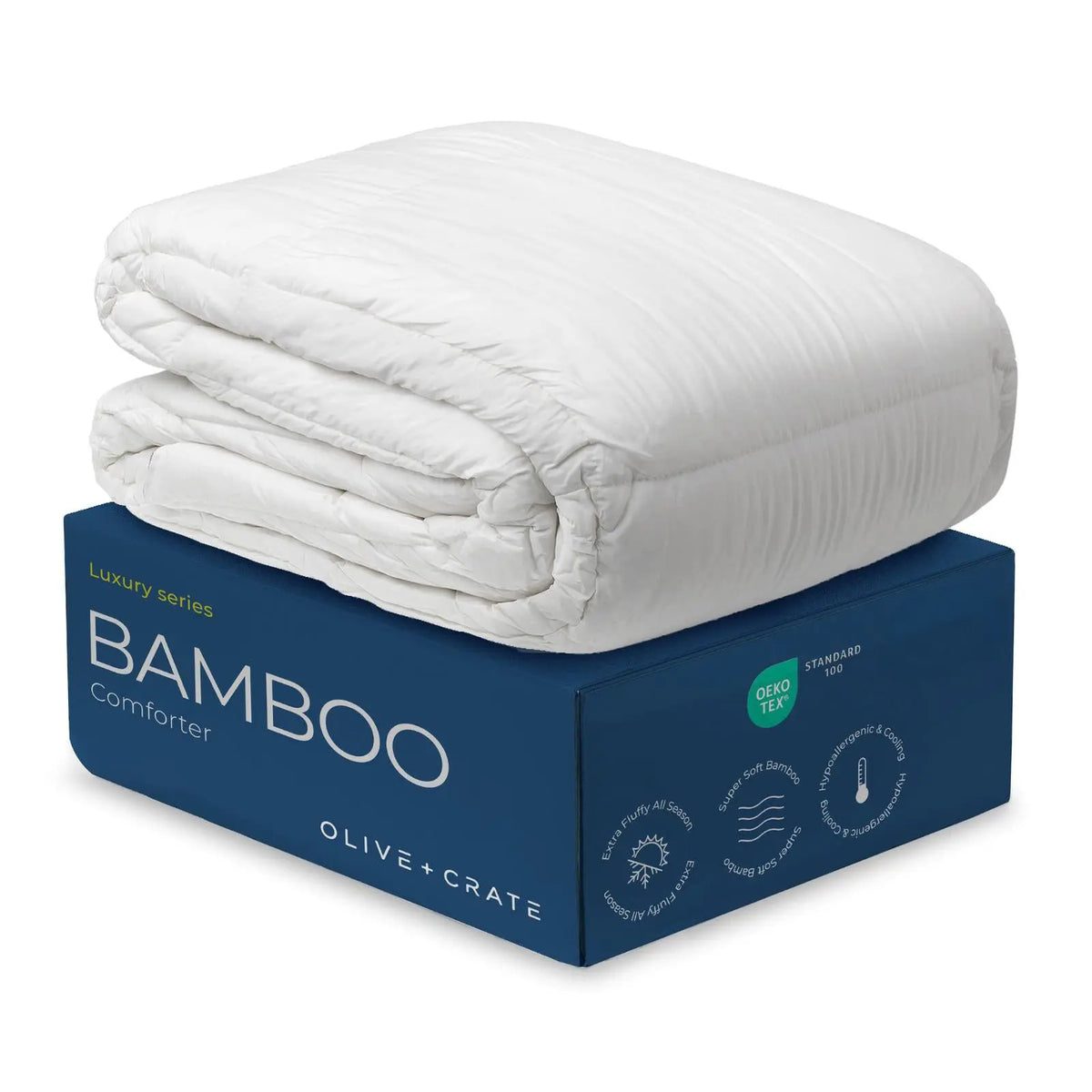
Step 4: Top It Off With a Warm Comforter for Winter
Your top layer sets the tone, both visually and thermally.
A warm comforter for winter should feel plush without being suffocating.
Breathable fills like bamboo helps retain warmth while allowing excess heat to escape naturally, which is especially important as temperatures fluctuate between autumn and winter.
If you’re wondering:
-
How to layer bedding for winter without a blanket, or
-
How to layer a bed without a duvet,
A well-made comforter paired with breathable sheets can often do the job on its own.
If you’re still deciding between options, this guide to duvet vs comforter breaks down the differences clearly.
For those using a duvet, these tips for choosing the right type of duvet cover can help fine-tune warmth and feel.
When choosing the best winter comforter, focus on sustainable materials that balance insulation with airflow, not just thickness.
How to Layer a Bed With a Quilt and Comforter
For those who love depth and texture, layering a quilt with a comforter offers both warmth and visual interest.
Try this arrangement:
-
Sheets
-
Light blanket or quilt
-
Comforter
-
Decorative quilt folded at the foot of the bed
This approach works beautifully for anyone learning how to layer bedding for maximum warmth while keeping the bed relaxed, breathable, and easy to adjust.
Styling Tips: How to Layer a Bed Like a Designer
Designer-style layering is about restraint, not excess.
Keep the look calm with:
-
Neutral or earthy tones
-
Natural textures
-
Intentional asymmetry
Add:
-
Euro pillows for structure
-
Standard pillows for comfort
-
A single throw for warmth and softness
Color plays a big role here. Warm neutrals, terracotta, and deep green tones add seasonal depth without feeling heavy.
If you’re choosing a palette that works from autumn into winter, this guide to best fall bedding colours offers thoughtful combinations that layer beautifully across seasons.
For more styling ideas that transition smoothly from fall into winter, explore our cozy fall bedroom style tips by Jolynn of Lofty Design Interiors.
How TENCEL Keeps You Cozy (Without Overheating)
The challenge of colder months is staying warm without feeling weighed down.
TENCEL™ eucalyptus fibers (sustainably sourced and vegan) excel at:
-
Temperature regulation
-
Moisture control
-
Softness without heaviness
Unlike flannel or synthetic fills, eucalyptus bedding adapts to your body and layers easily with blankets, quilts, duvets, or comforters.
It’s an ideal choice for anyone looking for the best winter bedding that still feels light, breathable, and comfortable throughout both autumn and winter.
It’s warmth that supports better rest, and a slower, more intentional way of living.
Shop the Layered Look

Start layering with these essentials:


With a thoughtful balance of layers, your bed can be more than just a place to sleep—it becomes your autumn sanctuary, designed for warmth, style, and restful nights.