

Duvet vs Cover Comparison Table
Structure
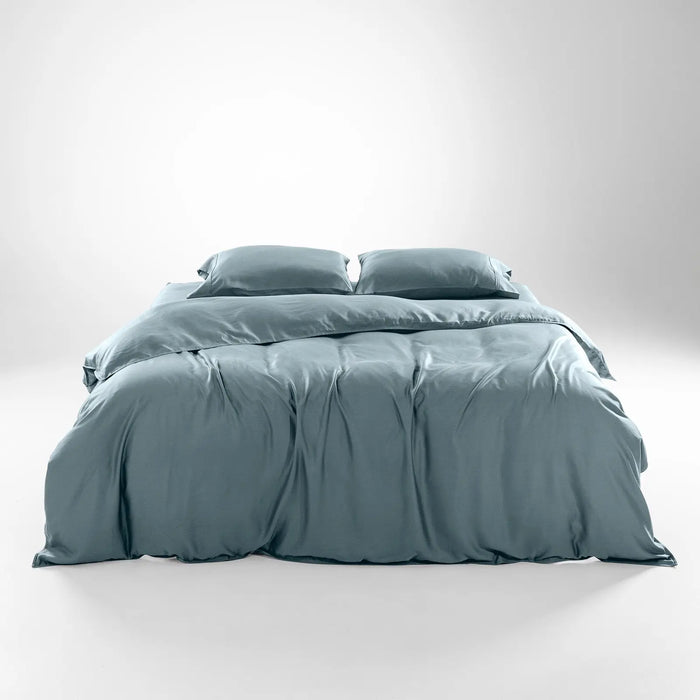
Duvets have two separate parts: a cover and an insert. The insert, or the fill, can be made from either natural materials like down or synthetic materials like microfiber. The removable outer cover, on the other hand, can come in fabrics like cotton and TENCEL™ Lyocell Eucalyptus.
With a comforter, you just have one piece of bedding because, during the manufacturing process, the outer fabric (shell) and insulating material (fill) are stitched together either by using baffle-box or sewn-through (box stitch) construction. And yes, that means you can't pull out the fill unless you remove the stitches first.
Fun Fact: If your comforter has three-dimensional chambers, or "boxes," it was made using a baffle-box construction. But if it has a flatter profile, it was sewn-through.
Text block body
Care and Maintenance
Duvets and comforters both require regular cleaning. But out of the two, duvets make routine washing easier because you can remove the cover without washing the insert every time. You can even wash it together with your sheets and pillowcases. Of course, you will eventually have to clean the insert, but it's less frequent (every 3 to 6 months).
There's a catch, though. Putting an insert into the duvet cover, especially with zippers, can turn into a wrestling match. It's like stuffing a pillow into its case, only the duvet insert is three times the size and weight. And you have to do it every time during laundry day.
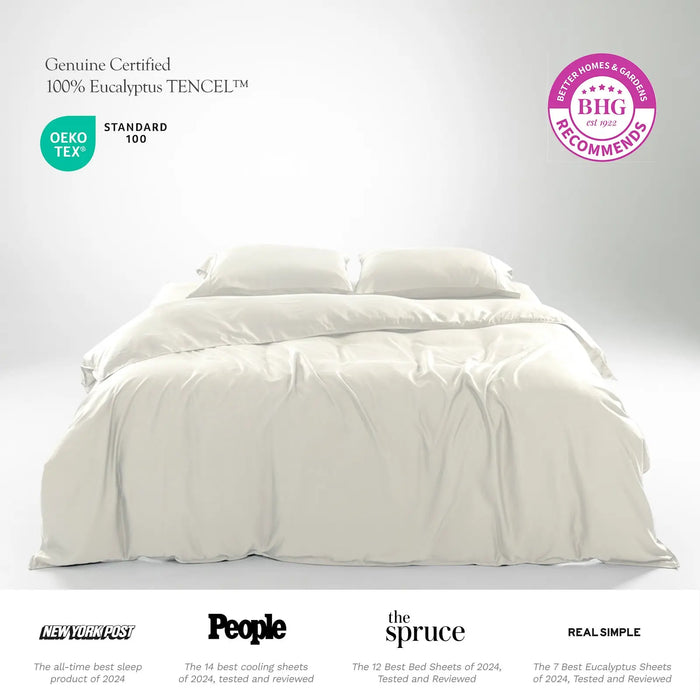
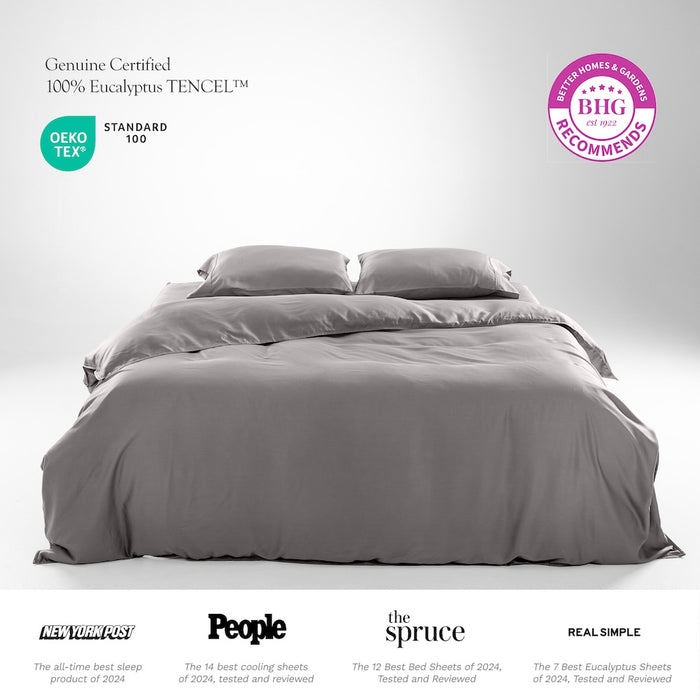
On the other hand, a comforter leaves you with no choice but to clean it all in one go, which can be awkward or difficult if your washing machine has limited capacity. The recommended washing frequency is every 2-3 months, but if you have pets that sleep on your bed or allergies, you should wash it more often. Adding a top sheet with a comforter can reduce how often you wash. You can also use a duvet cover.
Cost
Both duvets and comforters vary in price by material and brand. And yes, both have budget and premium options. But generally, duvets cost more upfront because you're buying two pieces: the insert and the cover.
Depending on what you want, you can buy each piece from different brands or pick up a set instead, which is usually cheaper than purchasing each piece individually. However, mixing and matching gives you more control over the look and feel of your bedding, but as you might have already expected, it can cost more, especially if filled with natural materials like down or feathers. The upside? If one piece gets worn out, you only need to replace that part instead of buying an entirely new duvet set.
In contrast, comforters are more affordable. However, if it gets damaged or wears out, your only option is to replace it entirely.
Styling Flexibility
One of the advantages of a duvet is that you don't necessarily have to change the entire set to update your bed's look. All you have to do is replace the cover and keep the same insert. For instance, earthy neutrals are best for fall. When winter arrives, swap it for a classic all-white or French Navy.
A comforter offers less flexibility. Whatever color you choose, that's what you are stuck with, unless, of course, you pick up a new one in a different color. On the bright side, you can always layer for a different look.
Warmth
As we mentioned earlier, both a duvet and a comforter keep you warm. How much warmth they provide depends on their filling, weight, loft, and construction.
For instance, a comforter made from synthetic materials like down alternative will retain heat, which is great if you sleep cold. But if you are a hot sleeper, you'd be better off with materials like bamboo viscose, such as the Olive + Crate Bamboo Comforter, which is filled with 40% Bamboo fiber and 60% microfiber from recycled bottles and a 100% bamboo viscose outer shell. It also comes with two GSM options (300gsm for all-season comfort and 450gsm for more warmth during colder Winter months).


Duvet vs Comforter: Which One Should You Pick?
Now that you know the differences between a comforter and a duvet, here is a simple way to help you decide which one is better for you:
A duvet is better for you if:
- You like swapping the removable cover for a different color, pattern, or fabric while keeping the same insert.
- You have enough storage to keep several duvet covers.
- You prefer washing the cover and fill separately, rather than overloading your washing machine.
- You don't mind the setup involved in fitting the insert into the cover
- You want the option to replace just the cover or insert if one gets damaged or worn out.
A comforter is better for you if:
- You want something ready to use straight out of the packaging.
- You want to make your bed quickly without having to straighten out a separate cover and insert.
- You prefer having one item to wash and store.
- You're working with a limited budget.
- You don't plan to change your bedroom's color scheme or bedding style very often.
- You want to avoid the hassle of putting a duvet insert back into its cover after washing.
Common Questions About Duvet vs Comforter