

The right pillow can improve comfort, support healthy alignment, and help you sleep more comfortably.
Pillows vary by fill, firmness, shape, size, and intended use.
This guide breaks down the different types of pillows and how to choose the right one for your sleep needs.
What Are the Different Types of Pillows?
The most common types of pillows include:
1. Down Pillows
Soft, lightweight, and highly moldable.
2. Feather Pillows
Similar to down but with more structure and support.
3. Memory Foam Pillows
Contour to the head and neck for pressure relief.
4. Latex Pillows
Responsive, supportive, and durable.
5. Down Alternative Pillows
Designed to mimic the softness of down using synthetic fibers.
6. Cotton and Wool Pillows
Natural options known for breathability and temperature regulation.
7. Body Pillows
Long pillows that provide extended support.
8. Wedge Pillows
Angled pillows used for elevation and positioning.
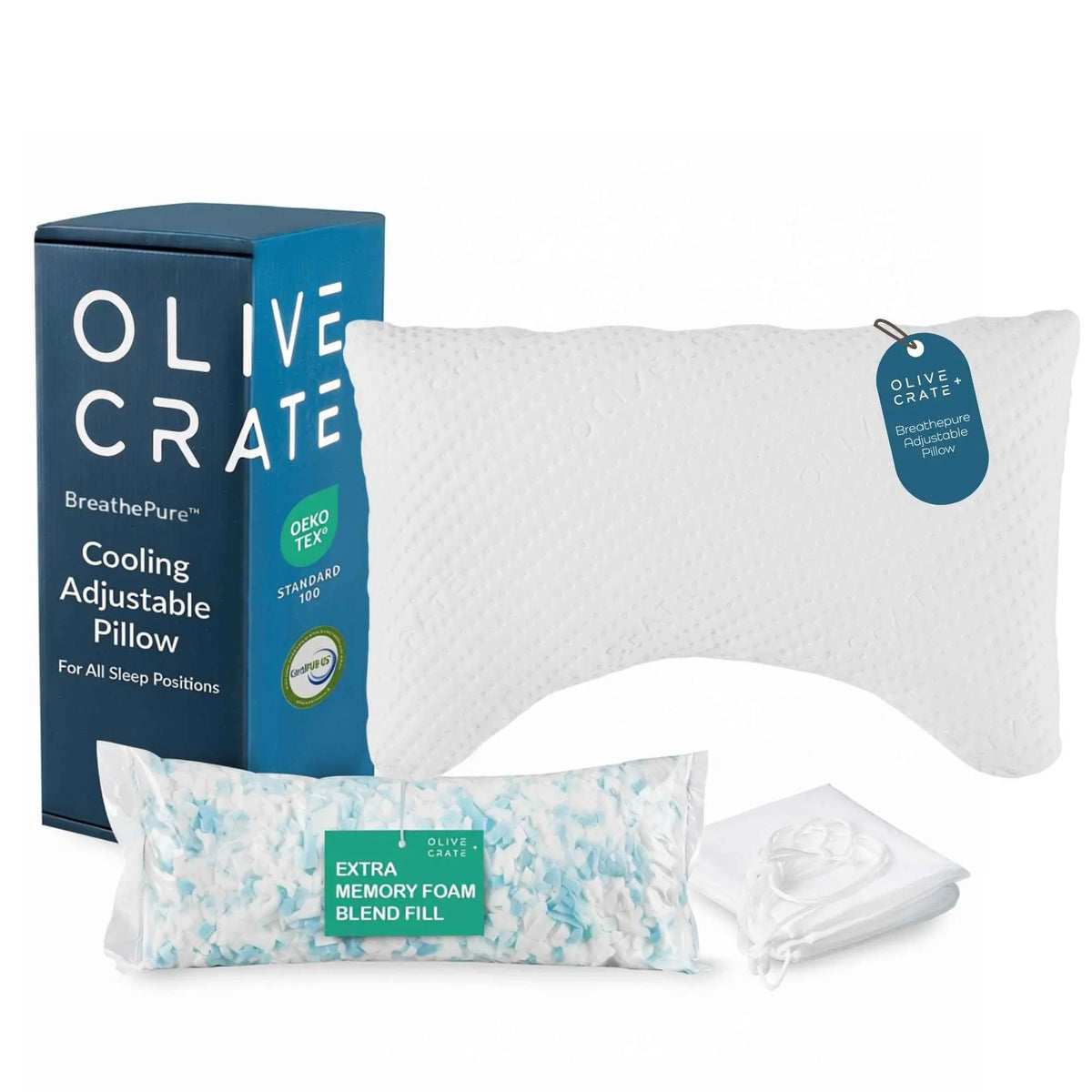
9. Contour Pillows
Shaped for more targeted neck and head support.
10. Decorative Pillows
Used primarily for styling and layering.
While these pillows serve different purposes, most sleepers can narrow their options by starting with their sleeping position.
What Types of Pillows Are Best for Different Sleeping Positions?
Your sleeping position has the biggest impact on the type of pillow you'll find comfortable.

Side Sleepers
Side sleepers typically need a medium-to-high loft pillow that fills the gap between the shoulder and mattress.
Many people looking for better side sleeping comfort prefer:
-
Memory foam
-
Latex
-
Down alternative
Avoid: Pillows that are too flat.
Back Sleepers
Back sleepers generally do best with a medium-loft pillow that supports the neck without pushing the head too far forward.
Many sleepers researching pillows for specific sleep support needs gravitate toward:
-
Memory foam
-
Latex
-
Supportive down pillows
Avoid: Pillows that are too thick.
Stomach Sleepers
Stomach sleepers usually need the lowest loft of any sleeping position.
Best options:
-
Down
-
Down alternative
-
Soft fiberfill
Avoid: Firm or high-profile pillows.
Combination Sleepers
Combination sleepers benefit from flexibility and adjustability.
Understanding different matching pillow types can help narrow down the options, while learning about proper pillow loft can make it easier to stay comfortable across multiple sleeping positions.
Best options:
-
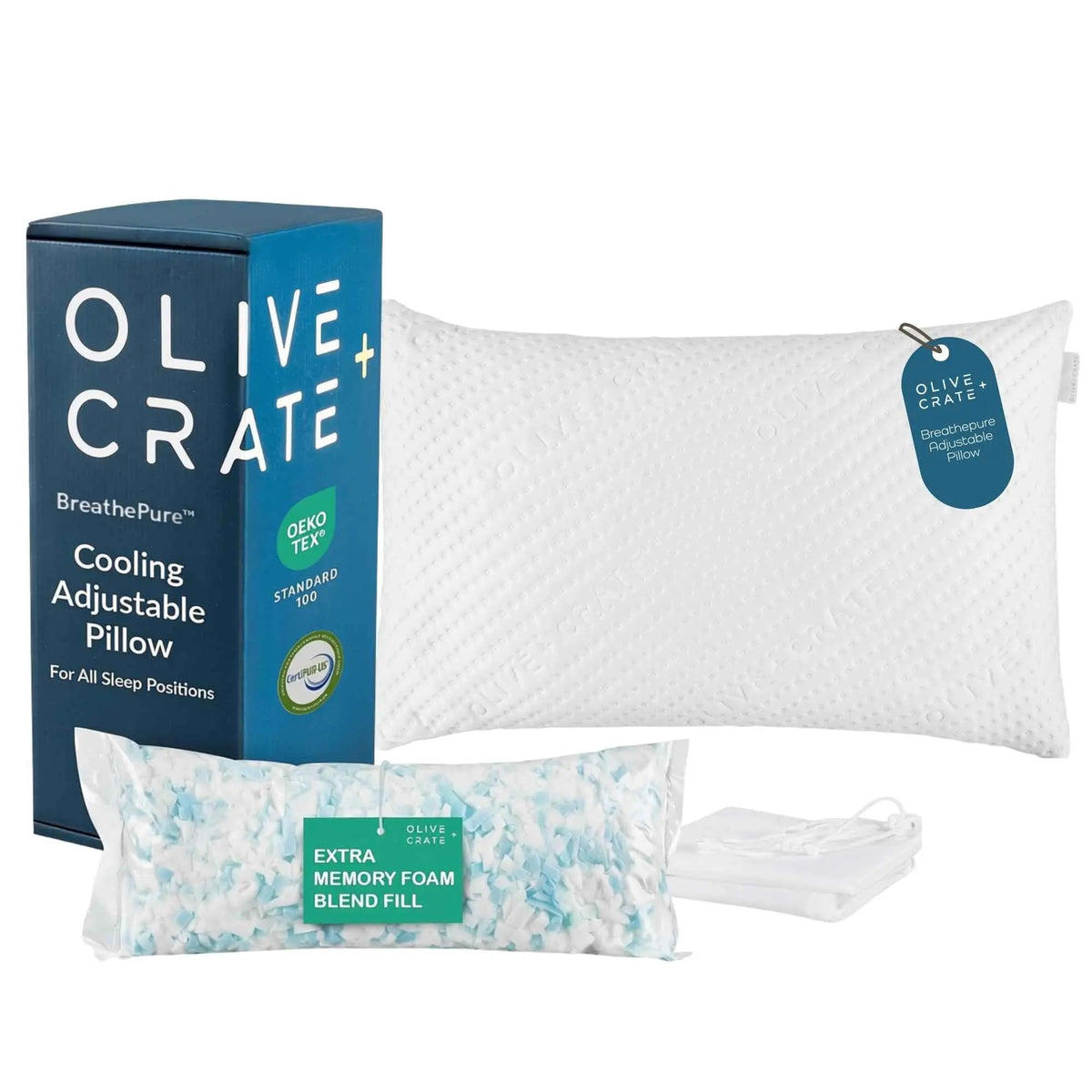
Adjustable-fill pillows
-
Hybrid pillows
-
Medium-firm designs
How Do You Choose the Best Pillow for Better Sleep?
Choosing a pillow becomes much easier when you focus on a few key factors.
A Simple 5-Step Checklist
1. Start with your sleeping position.
This determines the loft and support you'll likely need.
2. Choose the right firmness.
Soft pillows feel plush, medium pillows balance comfort and support, and firm pillows provide more structure.
3. Consider your preferred feel.
Memory foam feels contouring, down feels soft, and latex feels responsive.
4. Think about temperature and allergies.
Breathable materials and hypoallergenic fills can make a noticeable difference.
5. Replace worn-out pillows.
Common pillow lifespan signs include flattening, lumps, and reduced support. Pairing a supportive pillow with healthy nighttime sleep habits can also improve sleep quality.
What Types of Pillow Filling Are Available?
Most pillow fills fall into two categories: natural and synthetic.
Natural Pillow Fill Materials

Synthetic and Alternative Pillow Fills

Comparing Common Pillow Fill Types

The right fill depends on whether you prioritize softness, support, durability, or temperature regulation.
Exploring different common fill options can help narrow down your choices.
Which Pillow Firmness Is Right for You?
Firmness refers to how supportive a pillow feels, while loft refers to its height.

Matching firmness to your sleeping position is usually the easiest way to find the right balance of comfort and support.
What Materials Are Pillows Made Out Of?
Most pillows consist of two components:
-
Fill material, which determines support and comfort
-
Cover fabric, which affects softness, breathability, and temperature regulation
Common Pillow Materials
Fill materials
-
Down
-
Feather
-
Wool
-
Cotton
-
Latex
-
Memory foam
-
Polyester fiberfill
-
Microfiber
Cover fabrics
-
Cotton
-
Linen
-
Bamboo-derived fabrics
-
Silk
-
Polyester blends
In simple terms, the fill determines how a pillow performs, while the cover influences how it feels.
What Types of Pillow Fabrics Are Used for Covers?
The fabric covering a pillow can affect softness, airflow, and ease of care.
Natural Fabrics
-
Cotton: Breathable, soft, and easy to maintain
-
Linen: Lightweight with excellent airflow
-
Bamboo-derived fabrics: Soft and naturally cooling
-
Silk: Smooth and gentle against skin and hair
Synthetic Fabrics
-
Polyester: Durable and budget-friendly
-
Fabric blends: Balance comfort and durability
-
Cooling-performance fabrics: Designed to help regulate temperature
Natural fabrics are often favored for breathability, while synthetic options tend to be more affordable and easier to maintain.
What Are the Different Types of Pillow Shapes?
Pillows come in several shapes, each with a different design and profile.

The most common pillow shapes include:
-
Traditional pillows
-
Contour pillows
-
Wedge pillows
-
Body pillows
-
Bolster pillows
-
Specialty pillows
Most sleepers choose a pillow based on support, loft, and fill material first. Shape is typically a secondary consideration.
What Are the Standard Pillow Sizes Available?
Pillow size affects both comfort and bed styling.
Standard and queen pillows work well for most sleepers. King pillows provide additional width, while Euro pillows are commonly used for layering and decorative support.
Other specialty sizes include:
-
Body pillows
-
Travel pillows
-
Toddler pillows
-
Cervical pillows
What Are the Different Types of Pillow Edges?
Pillow edges affect a pillow's appearance and, in some cases, its structure.

Common edge styles include:
-
Knife edge
-
Gusseted edge
-
Corded edge
-
Piped edge
Gusseted pillows feature a side panel that can help maintain shape and loft.
Corded and piped edges are primarily decorative, while knife-edge construction offers a simple, streamlined look.
What Are the Different Styles of Pillows Used on a Bed?
Not every pillow on a bed is meant for sleeping.

Common Pillow Styles
Most beds combine sleeping pillows with decorative accents to create a comfortable and layered look.
Many bedding arrangements use decorative pillow layers to add depth and visual interest.
Frequently Asked Questions About Pillow Types
What Type of Pillow Is Best for Sleeping?
The best pillow depends on your sleeping position. Side sleepers generally need more loft and support, while stomach sleepers often prefer softer, lower-profile pillows.
What are Pillows Made Out Of?
Most pillows contain a fill material such as down, memory foam, latex, wool, or polyester fiberfill, surrounded by a fabric cover.
What Pillow Filling Lasts the Longest?
Latex and high-quality memory foam are typically the most durable pillow fills and tend to maintain their shape for years.
How Do I Choose the Right Pillow Size?
Choose a size that fits your mattress and sleeping habits. Standard and queen pillows work well for most people, while king pillows provide more room to move.
What's the Difference Between a Pillow Sham and a Pillowcase?
A pillowcase protects a sleeping pillow, while a pillow sham is primarily decorative and used as part of a layered bedding arrangement.
Finding the Best Pillow for You
The best pillow depends on how you sleep, the support you need, and the feel you prefer.
Start with your sleeping position, then compare fill materials, firmness levels, and pillow sizes to narrow your options.
Once you've found the right combination, you're much more likely to end up with a pillow that feels comfortable and supports better sleep.