

What Is Rayon Fabric?
Rayon fabric is essentially a semi-synthetic fiber, contrary to common belief. Its natural material (cellulose) is sourced from plants, but the finished fibers don't exist naturally in that form. That natural cellulose goes through a process (usually involving chemicals) that transforms it into usable fibers that can be spun into yarn.
How about bamboo rayon? You might assume that it directly uses bamboo fibers, but that's not the case. It is made from cellulose extracted from bamboo rather than another plant source. And yes, bamboo rayon is still manufactured using the same approach as other rayon fibers.
If you noticed that one rayon garment may feel noticeably different from another, that's because different rayon types (more on this below!) have their own characteristics.
What Material Is Rayon Made Of?
Every type of rayon begins with cellulose, which is essentially a natural substance found in plants' cell walls.
The plant source can vary depending on the rayon type. For instance, modal is primarily made from beech, while bamboo rayon, as its name implies, uses cellulose from bamboo.
The most common sources of cellulose are from:
- Wood pulp
- Bamboo
- Beech
- Eucalyptus
- Pine
- Spruce
What Is Rayon Fabric Used For?
Rayon fabric is commonly used in clothing such as dresses, blouses, shirts, skirts, and pants. But you can also find it in bedding and curtains. However, it is important to keep in mind that not every rayon garment feels identical.
For instance, a flowing summer dress made from viscose will have a different feel from modal sleepwear or an activewear top made with lyocell. Again, as mentioned earlier, viscose, modal, and lyocell are all rayon, but each one has its strengths and weaknesses.
Don't be surprised to find rayon blended with other fibers, too. For instance, rayon-cotton blends feel softer. On the other hand, polyester with rayon improves durability and wrinkle resistance. There are also rayon-linen blends, which eliminate the stiffness of linen but retain its distinct texture, increase breathability, and add a silky, flowing quality.
What Are the Different Types of Rayon?
Viscose, modal, and lyocell are the different types of rayon. Although all of them begin with cellulose, they differ in where the cellulose came from and how it is processed.
Some types are valued for their softness, while others are designed to be stronger, more durable, or better at managing moisture.
Viscose
When a label says 'rayon,' it often refers to viscose. Viscose is popular because it combines comfort with affordability. In fact, you'll often hear viscose described as soft, drapey, and breathable. This is the reason why you'll find viscose in dresses, shirts, linings, and scarves.
Fun Fact: Viscose and rayon are technically the same. Manufacturers often use them interchangeably because of regulations and marketing strategy.
Something to keep in mind: Viscose production involves a chemical-heavy open-loop method, making it the least sustainable out of the three types.
Modal
Unlike viscose, modal can withstand repeated washing better because its fiber is deliberately made to be stronger (specifically, it retains more of its strength when wet). Plus, its cellulose is usually from beech trees. You will find modal fabrics in underwear, pajamas, loungewear, bed sheets, and other products that are washed more frequently.
Lyocell
Out of the three types, lyocell is the most environmentally friendly. How? Well, it uses a different solvent process that recovers and reuses much of the solvent during production (this is called closed-loop fabric production).
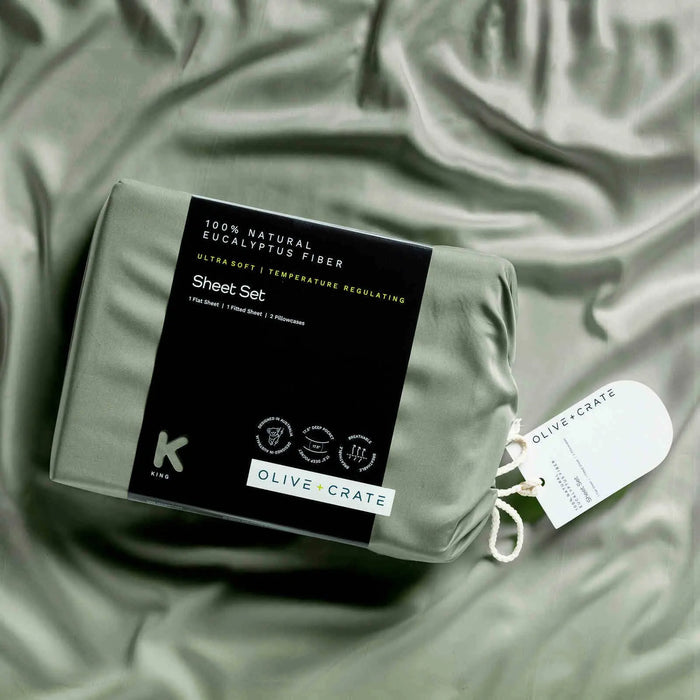
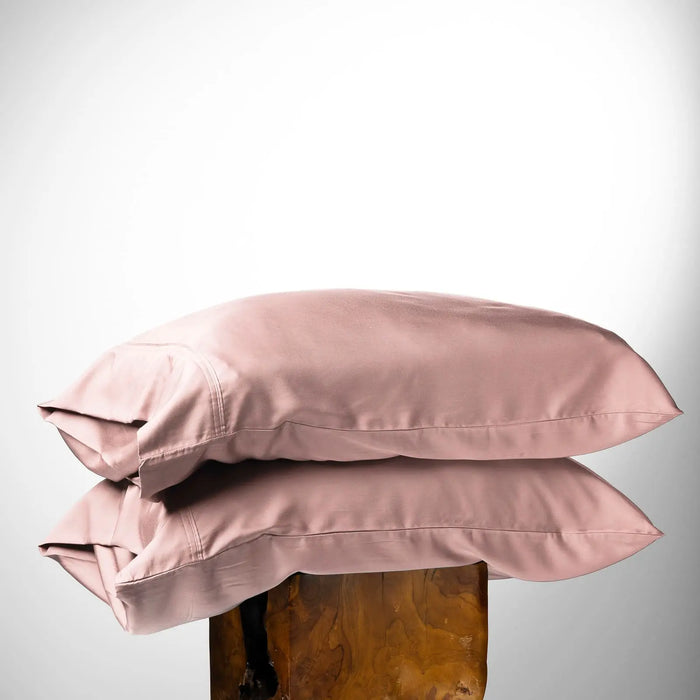
Performance is another advantage of lyocell fabric, as it is smooth, moisture-wicking, durable, and more wrinkle-resistant. This is why you often see lyocell in a wide variety of products, including bedding, dresses, and activewear.
What about TENCEL™ Lyocell? Well, this is a branded example of lyocell, which primarily uses eucalyptus and a patented closed-loop production process, recovering almost 100% of non-toxic processing solvents.
How Is Rayon Made?
Making rayon involves multiple steps. It involves harvesting the cellulose, dissolving the cellulose, forming the fibers, regenerating the cellulose, and washing and drying the fibers. Here is a closer look at each step:
- Harvest the Cellulose Source: The first step begins with a plant that's rich in cellulose. It is typically wood, but it can also be from bamboo or another suitable source. The raw material is then broken down so the cellulose can be harvested.
- Dissolve the Cellulose: You can't spin the harvested cellulose pulp in its natural state. So manufacturers use chemicals to dissolve the pulp.
- Form the fibers: Once the cellulose has been dissolved, the next step is pushing it through tiny nozzles (spinnerets). This creates workable, long, continuous strands.
- Regenerate the cellulose: After forming the strands, they will go into another chemical solution, where the previously dissolved cellulose becomes solid again.
- Wash and dry the fibers: Any remaining chemicals are removed by thoroughly washing.
- Spin into yarn: The fibers are then twisted together.
How to Wash and Dry Rayon Fabric?
While rayon isn't difficult to care for, it does require a gentler washing and drying approach compared to everyday fabrics. Why? That's because the tensile strength of rayon fibers is reduced when they're wet, which in turn makes them more likely to stretch or lose their shape. But worry not, you don't have to make drastic changes to your washing and drying routine.
Some rayon fabrics can be safely machine washed, while others are designed to be hand washed or professionally dry cleaned. So, always make sure to check the label.
If hand washing is recommended, use cold or cool water with a mild detergent. Do not scrub the fabric, as it can put unnecessary stress on the fibers. For machine washing, set it to a gentle or delicate cycle and use cold water with a mild detergent.
Tip: No matter which washing method you use, avoid bleach, vigorous scrubbing, and twisting or wringing the fabric.
How about drying? Many rayon garments are best left to air dry (lay flat or hang dry). Never expose rayon to high heat; tumble drying on a high setting or placing it near direct heat can increase the risk of shrinkage or damage to the fibers.
Tip: If there are wrinkles, you can set the iron to the lowest setting and iron while the fabric is still slightly damp. If the fabric is already dry, use steam instead.

Common Questions About Rayon