

Rayon vs Viscose: Why the Confusion Exists?
In the United States, you have the Textile Fiber Products Identification Act and the Textile Fiber Rule, which require textile fibers to be labeled and marketed accurately.
You can only call a textile "bamboo" if it is made directly from genuine bamboo fiber. But if the fabric is actually rayon or viscose produced using bamboo as the plant source, you cannot simply label it as bamboo. Instead, you must identify it as "rayon or viscose made from bamboo" or "viscose made from bamboo."
In Europe, the approach is different. Under EU Textile Regulation 1007/2011 (or Textile Labeling Regulation (TLR), the accepted label is 'viscose,' not rayon, because it's an umbrella or general term for the fabric.
In short, in North America, you can use either viscose or rayon, but in Europe, only viscose.
Aside from labeling differences between continents, there's also a branding layer to consider. Some companies lean on 'viscose' because it sounds premium, while others use 'rayon' predominantly because that's the official category name in their market.
Basically, the confusion between rayon and viscose is a result of different labeling regulations and marketing choices, but never how the fabric feels or performs.
What Rayon and Viscose Actually Are
Rayon is not one specific fabric, but more of an umbrella term. Underneath it, you have viscose, modal, and lyocell. They all start from the same basic material (wood pulp from bamboo, eucalyptus, or beech). But they're eventually made in slightly different ways and, as a result, have different feel, durability, and overall performance (more on this later!).
Still confused? Think of rayon as a car, and then Honda, Toyota, and Mazda as viscose, modal, and lyocell. Honda, Toyota, and Mazda are all cars, but they are different from one another.
Viscose vs Modal vs Lyocell
Earlier, we mentioned that viscose, modal, and lyocell are all types of rayon and have different qualities. Here is a breakdown of how these rayon types differ:
Texture
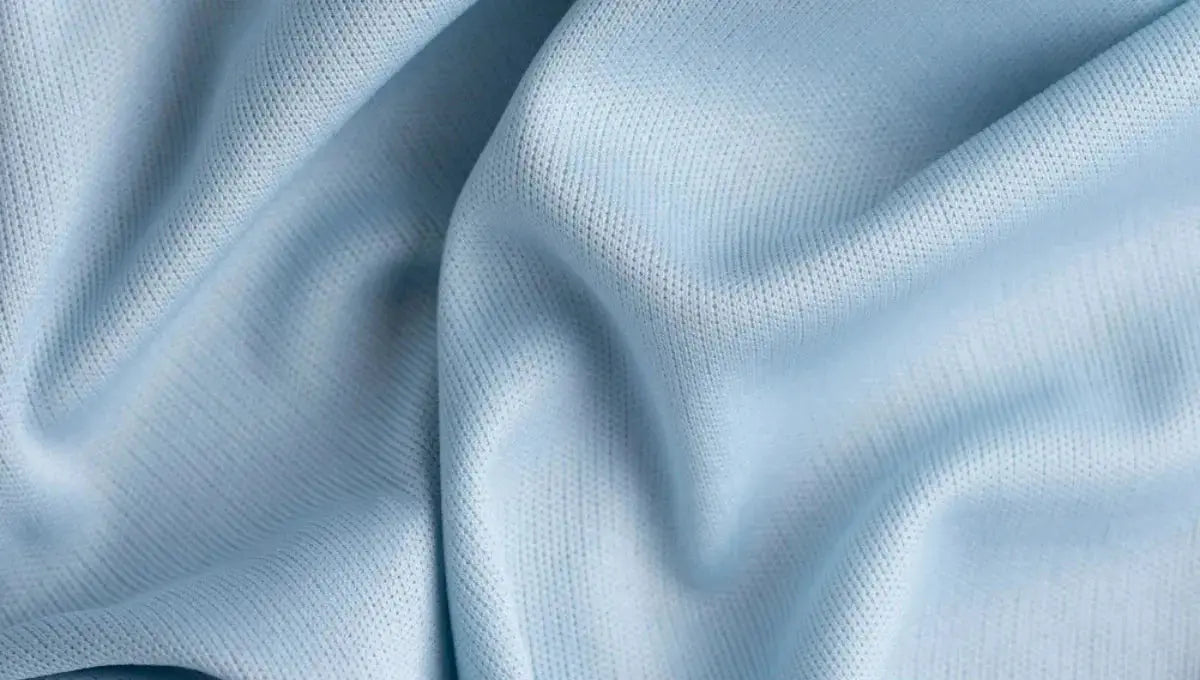
Viscose is usually soft, drapes well, and lightweight, which is why it's a popular choice for relaxed silhouettes like dresses and blouses. However, there are lower-quality versions which are slightly textured.
Modal, on the other hand, is smoother and with a bit more stretch, making it a top fabric choice for underwear, sleepwear, and other loungewear.
How about lyocell? This fabric features a smooth, silky texture, with some people somewhat describing it as a blend of cotton and silk. Plus, it tends to hold its shape and is less likely to stretch out.
Durability
Out of the three rayon types, lyocell is the most durable because its fiber structure is stronger and more stable. Modal follows second as it retains color well, resists shrinking, and stands up to frequent washing. Viscose is the most delicate. When its fibers are wet, it becomes weaker. So to prevent premature damage, most viscose garments have gentler care instructions. And yes, viscose easily wrinkles too.
Production
As mentioned earlier, all three use wood pulp from bamboo, eucalyptus, beech, or pine. The difference lies in the processing. Viscose uses chemical solvents (particularly sodium hydroxide, carbon disulfide, and sulfuric acid) and consumes lots of water. Modal's production process, on the other hand, can vary but is generally more sustainable than viscose. Lyocell is the most sustainable out of the three because it uses a closed-loop production process, which essentially means that most of the solvents and water used are reused.
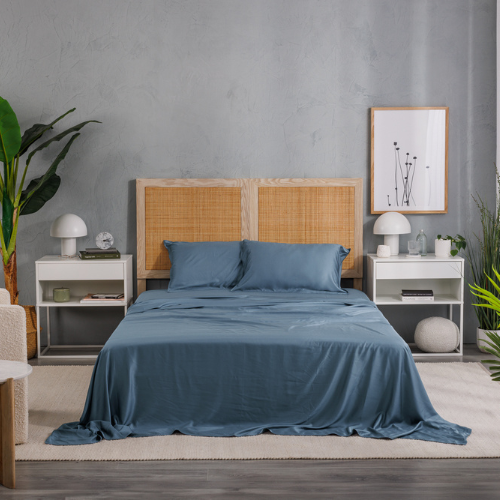
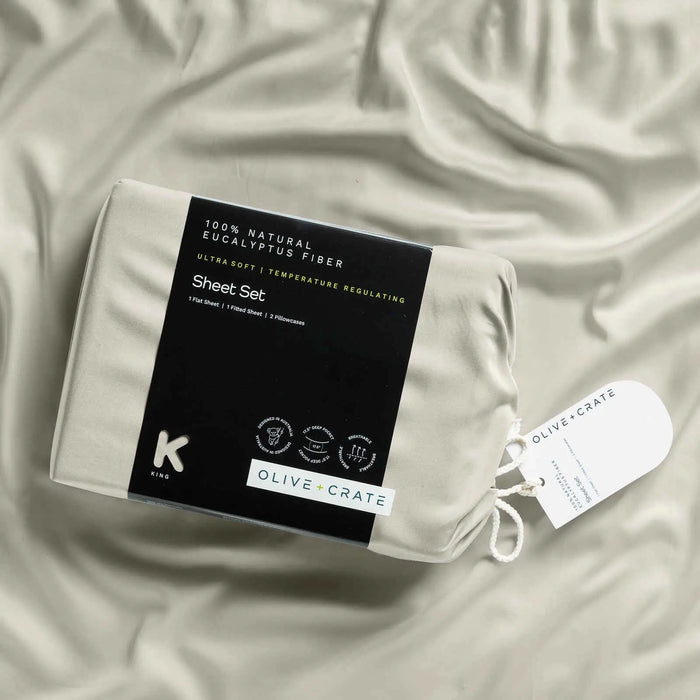
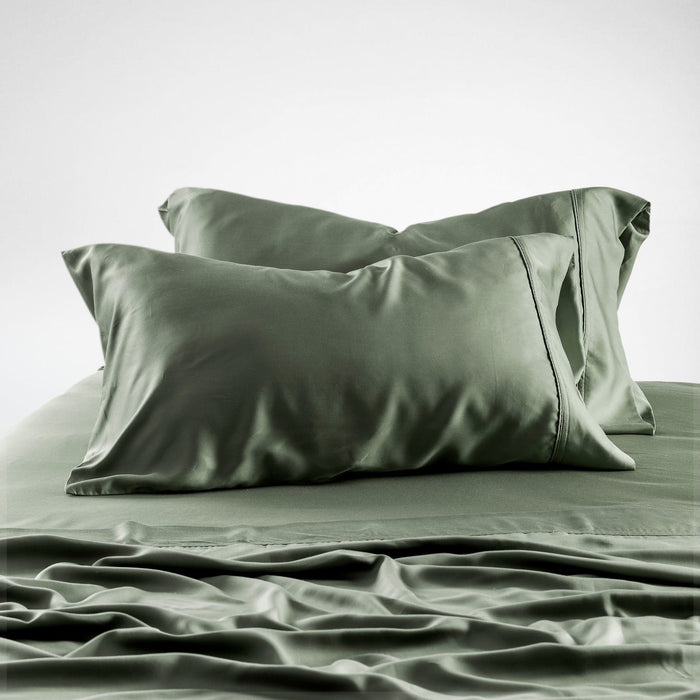
Olive + Crate bedding sheets, duvet covers, and pillowcases are made from Lyocell, specifically TENCEL™ Lyocell Eucalyptus.

Final Thoughts
And there you have it! Rayon is a category, and viscose is a specific rayon fabric. Brands choose one over the other either because of legal requirements.
The difference matters most with viscose, modal, and lyocell because these three have different textures, durability, and production. So, the next time you see a tag that says 'rayon' and 'viscose' on another, chances are they're the exact same fabric.
Common Questions About Viscose and Rayon