


A bed can look perfectly clean and still hold onto far more than most people expect. Skin cells, moisture, allergens, and microbes build up quietly because bedding sits close to the body for hours every night.
On World Health Day, home health habits deserve the same attention as diet, movement, and sleep itself.
Gentle note: This article is for informational purposes only and does not replace medical advice.
Bedding Hygiene and World Health Day
Why bedding is a hidden health surface
Sheets absorb more than sweat. Body oil, dead skin, hair products, dust, and pollen settle into fabric quickly, even in bedrooms that look clean.
Making the bed each morning does not remove what stays pressed against skin and close to the air you breathe overnight.
Good sleep hygiene usually starts with light, temperature, and routine, but daily habits that support healthier sleep routines also include washing bedding often enough to keep buildup in check.
Prevention sits at the center of broader health conversations, which is why global priorities highlighted in this year’s world health day campaign also make sense when applied to sleep spaces.
Sleep environments and preventive health
A healthier bedroom does not require constant deep cleaning. It usually comes down to consistency.
The biggest preventive gains often come from:
-
washing sheets before they feel overdue
-
drying bedding fully before folding or remaking the bed
-
airing out pillows and duvets regularly
-
replacing worn bedding before fibers trap residue permanently
A mattress and sheet set create a small ecosystem. When airflow is poor or washing slips too far apart, that environment changes fast.
Why Your Bed Feels Itchy at Night
Irritation caused by sheet buildup
That itchy feeling at bedtime usually starts small.
Because that buildup sits directly against the skin for hours, irritation often shows up before sheets look or smell overdue.
Common triggers include:
-
sweat salts left in fabric
-
body oil concentrated around high-contact areas
-
detergent that did not rinse out fully
-
dust caught in folds and seams
-
skin cells trapped in older fibers
Some of this overlap is part of what researchers describe as the hidden biome inside everyday bedding, where ordinary fabrics hold far more microscopic activity than expected.
When itching points to allergens
Nighttime itching often becomes more noticeable when allergens are involved.
Dust, pet dander, and old pillow fill can all settle into bedding and stay there until washing breaks the cycle.
If discomfort fades once you leave the bed, fabric contact is often the first thing worth checking.
Dirty Sheets, Rashes, and Skin Reactions
Skin rash from dirty sheets
Skin reacts quickly to warmth, friction, and moisture, especially when sheets have gone too long without washing.
A mild rash usually appears as:
-
small red patches
-
scattered bumps
-
dry irritated spots
-
heat-related redness
This tends to show up more often in warmer months or after nights of heavier sweating.
Allergic reaction to sheets
A rash caused by buildup usually stays in direct contact areas. An allergic reaction often spreads more unevenly and may feel itchier than it looks.
Laundry fragrance, softener residue, and trapped particles can all create that response, which is why how often bedding should actually be washed for skin health often matters just as much as the detergent itself.
Can dirty sheets cause acne?
Pillowcases hold onto oil, skincare residue, and hair products very easily. When that layer builds up, breakouts often appear where the face rests most.
That is why many of the common skin issues linked to sleeping on unwashed sheets look familiar to anyone dealing with recurring cheek or jawline acne.
How Long Germs Stay in Bedding
Moisture, bacteria, and fabric retention
It depends mostly on moisture. Dry cotton behaves differently from damp fabric left folded after washing.
Warm, humid bedrooms also extend survival time, and synthetic fabrics often behave differently because tighter weaves can hold warmth while releasing moisture less gradually.
Some bacteria fade quickly. Others remain active much longer when fibers hold moisture.
Research on how long harmful pathogens can remain active on household textiles shows survival varies by material, humidity, and temperature.
Can you wash towels with sheets?
You can, but only if the wash cycle fits both fabrics.
A better approach:
-
Wash towels with similar temperature needs.
-
Avoid overloading the machine.
-
Dry fully before folding.
Towels carry heavier moisture and often release lint, which can stay trapped in bedding fibers.
Dust Mites in Sheets and Pillows
Why dust mites build up quickly
Dust mites settle wherever skin cells collect regularly, so bedding gives them ideal conditions without much effort.
Warmth, body moisture, and still air make pillows especially vulnerable.
How to see dust mites indirectly
You will not see dust mites themselves, but their presence often shows up through symptoms: sneezing in bed, itchy eyes in the morning, or congestion that improves after washing bedding.
Fast ways to reduce exposure
For anyone searching what kills dust mites instantly, heat remains the most reliable answer.
The simplest ways to reduce them:
-
wash sheets regularly at an appropriate temperature
-
dry everything fully
-
lower humidity in the room
-
use washable protective covers
Hospital advice around practical dust mite reduction still comes back to consistency more than one-time cleaning.
If congestion or sneezing tends to peak after lights out, small changes that ease nighttime allergy triggers often start with cleaner bedding, better airflow, and fewer fabrics that hold onto dust.
For delicate materials, fabric care habits that help sheets stay cleaner longer matter because worn fibers hold particles more easily over time.
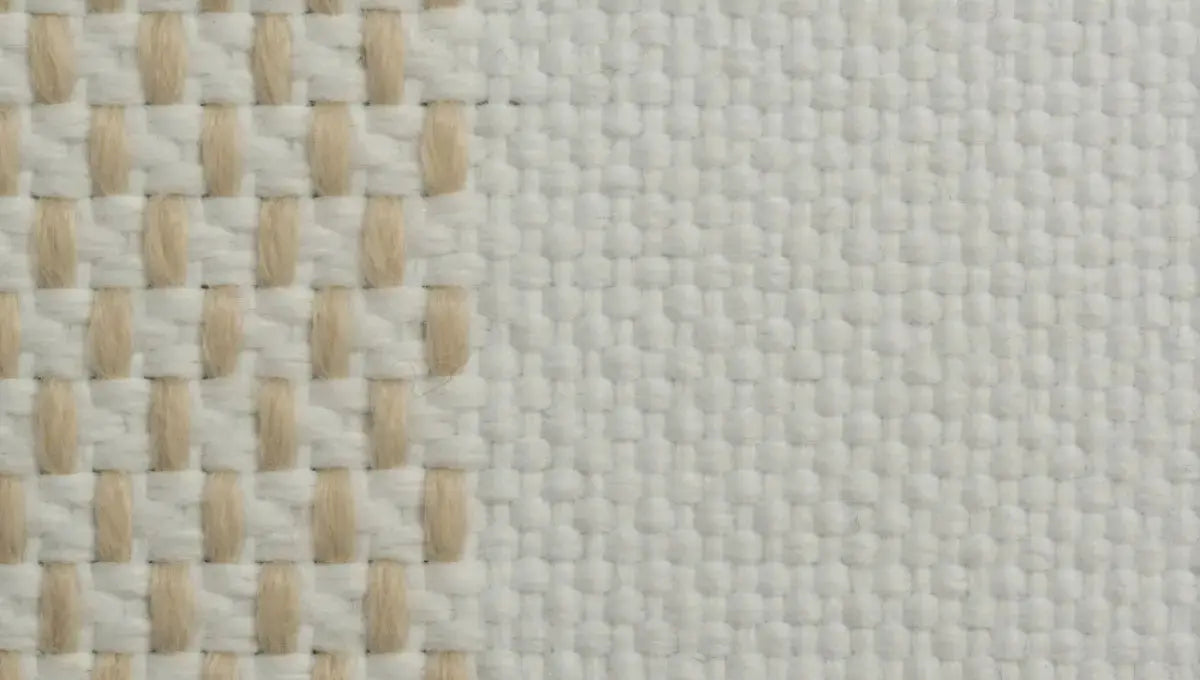
Worn fibers trap more particles, while weave structure affects dust buildup.
To reduce everyday irritation further, how hypoallergenic and antimicrobial bedding work differently helps clarify which materials are designed to limit allergens and which focus more on microbial resistance.
Early Signs of Bed Bugs in Bedding
What bed bugs look like on sheets
Early signs of bed bugs usually show before the insect itself does.
Look for:
-
tiny rust-colored marks
-
dark pin-sized spots
-
pale shed skins
-
clustered bite patterns nearby
How to check for bed bugs
Check seams first. Then look at mattress corners, pillow piping, and bed frame joints.
Clinical references on the earliest signs of bed bug exposure focus more on residue and spotting patterns because early infestations usually stay hidden during daylight.
Mold on Bed Sheets and Pillows
What causes mold on bed sheets
Yes, mold can grow on bed sheets when moisture stays trapped long enough.
Common causes:
-
folding sheets before fully dry
-
sleeping in humid rooms
-
poor mattress ventilation
-
long storage in closed spaces
Mold on pillow surfaces
Pillows trap moisture deeper than sheets because filling holds heat longer.
Older pillows are especially vulnerable because the inner fill becomes harder to dry completely.
That is often when signs it may be time to replace an older pillow become more obvious.
Fungus or staining?
Not every spot is moldy. Yellowing from sweat looks different from active fungal growth.
Findings from recent research on fungal contamination found in domestic bedding materials shows fungal presence is more likely when fabric stays damp repeatedly, not from isolated moisture.
Removing Mold From Bedding Safely
How to get mold out of sheets
If mold is caught early, washing may work.
Basic steps:
-
Wash separately.
-
Use a full hot cycle if fabric allows.
-
Dry completely before reuse.
How to get mold out of pillows
Pillows are harder because moisture stays trapped inside.
If odor remains after washing, replacement is safer than reuse.
When washing is not enough
If staining returns quickly or smell lingers, the material usually holds more contamination than surface cleaning can remove.
Safe household mold cleanup methods recommended for porous materials treat deeply affected porous items as difficult to restore fully.
When Washing Bedding Is No Longer Enough
Weekly washing vs replacement
How often you should wash bedding depends on climate, sweat, pets, allergies, and fabric type.
A practical rhythm for most households:
-
sheets every 7 to 10 days
-
pillowcases more often during warmer weeks
-
duvet covers every 1 to 2 weeks depending on use
When to buy new sheets
If sheets still feel heavy, dull, or less breathable after washing, age is often the reason.
That is usually when sheet replacement matters more than another wash cycle becomes less about appearance and more about comfort and hygiene.
Bedding, Allergies, and the World Health Day Theme
Bedding habits that support better sleep health
The world health day theme often brings attention back to small routines that quietly shape long-term wellbeing. Bedding belongs in that conversation because it affects skin comfort, airflow, and how settled the body feels overnight.
Textile studies looking at why bedding materials can influence airway irritation and allergy symptoms suggest that fabric choice and washing habits matter just as much as frequency.
Everyday prevention in the bedroom
A cleaner bed usually comes down to repeatable habits:
-
air bedding regularly
-
avoid storing fabric while damp
-
wash before buildup becomes obvious
-
replace pillows before they lose structure
That is one reason why sleep awareness often starts with bedroom habits and why how sleep debt quietly affects recovery over time is easier to feel when sleep itself is already being disrupted.
External Sources for Further Reading
World Health Day 2026
https://www.who.int/campaigns/world-health-day/2026
Your Bed's Hidden Biome Could Be Ruining Your Sleep
https://www.sciencefocus.com/the-human-body/your-bed-s-hidden-biome-could-be-ruining-your-sleep
Fungal Contamination in Domestic Bedding Materials
https://pmc.ncbi.nlm.nih.gov/articles/PMC11596996/
I’m a Microbiologist. Here’s How Often You Should Wash Your Sheets
https://www.independent.co.uk/life-style/wash-bed-sheets-how-often-b2948398.html
Common Skin Issues Linked to Sleeping on Unwashed Sheets
https://www.webmd.com/a-to-z-guides/ss/slideshow-dirty-sheets-skin-problems
Does Bedding Affect the Airway and Allergy?
https://www.researchgate.net/publication/231612532
Your Bed Probably Isn’t as Clean as You Think: A Microbiologist Explains
https://theconversation.com/your-bed-probably-isnt-as-clean-as-you-think-a-microbiologist-explains-163513
How Long Can Nosocomial Pathogens Survive on Textiles? A Systematic Review
https://www.researchgate.net/publication/342278182
How to Reduce the Level of Dust Mites in Your Home
https://www.cuh.nhs.uk/patient-information/dust-mites-in-your-home/
Bedbugs Infestation Overview
https://www.webmd.com/skin-problems-and-treatments/bedbugs-infestation
Mold Cleanup in Your Home
https://www.epa.gov/mold/mold-cleanup-your-home