
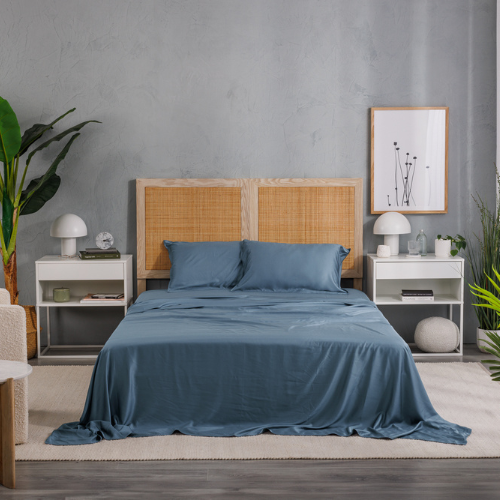

A messy bedroom rarely happens all at once. It builds quietly. A shirt on the chair. A cup on the nightstand. A floor that slowly disappears.
If you’re trying to build simple, healthy habits to start the year, it’s worth asking how much your space shapes the way your days begin and end.
Clearing a room doesn’t have to be a big reset to make a difference.
Why Cleaning Your Room Feels So Hard
Most people try to clean and organize at the same time. That’s where things fall apart.
Cleaning requires motion. Decluttering requires decisions.
When you mix the two, your brain stalls.
That’s why the best way to clean your room is to declutter first, clean second, and stop before fatigue sets in.
What You Need Before You Start (Keep It Simple)
You don’t need a full cleaning kit to clean your room fast. Having too many tools often slows things down.
Grab only this:
-
A laundry basket or bin
-
A trash bag
-
One surface spray or wipe
-
A vacuum or broom
That’s it.
If you have to leave the room to find supplies, momentum is already lost.
Step-by-Step: How to Clean Your Room in 15 Minutes or Less
This is a clear, repeatable process. Follow it in order. Don’t skip steps.
Step 1: Declutter First (Minutes 1–5)
This is the most important step, especially if you’re dealing with a messy bedroom.
Don’t organize. Don’t sort.
Ask one question only: Does this belong in this room?
-
Trash goes in the bag
-
Clothes go in the basket
-
Items from other rooms leave the space
This simple decluttering guideline removes visual noise fast and makes everything else easier. It’s also why traditional cleaning and decluttering checklists often fail.
They ask for too many decisions at once.
Step 2: Make the Bed (Minutes 6–8)
If you stop here, the room will already look cleaner.
-
Straighten the sheets
-
Pull up the duvet or comforter
-
Arrange pillows simply
The bed is the largest surface in the room. Making it is one of the easiest clean room ideas and the fastest way to make your room look clean and organized.
Step 3: Clear and Wipe One Surface (Minutes 9–11)
Choose one surface:
-
Nightstand
-
Dresser
-
Desk
Clear it completely. Wipe it once. Put back only items you actually use daily.
This single step does more than half-cleaning five different areas.
Step 4: Clean the Floor Where You Walk (Minutes 12–15)
You don’t need to clean every inch of the floor.
Focus on:
-
Around the bed
-
The path to the door
-
In front of the dresser
A quick vacuum or sweep here changes how the room feels underfoot and signals that it’s been cared for.
Stop when the timer ends.
Here’s a calm, real-time bedroom reset that can make the first few minutes feel less heavy and more doable.
A Short Room Cleaning Checklist for Low-Energy Days
For low-energy days, use this checklist and stop.
-
Trash out
-
Clothes in basket or drawer
-
Bed made
-
One surface wiped
-
Floor cleared where you walk
If you want a more thorough reset later, following a detailed room-by-room decluttering checklist can make the process feel calmer and more intentional instead of overwhelming.
Things to Clean in Your Room That Make the Biggest Impact
When energy is limited, a few areas matter more than the rest.
Bedding
Clean sheets change the room immediately. The bed is the largest surface, so when it feels fresh, everything else follows.
How often sheets are washed matters more than most people realize. Letting them go too long can make a room feel stale, even if everything else looks tidy.
Here’s a simple guide on how often you should wash your sheets can help keep the bedroom feeling fresh between deeper cleans.
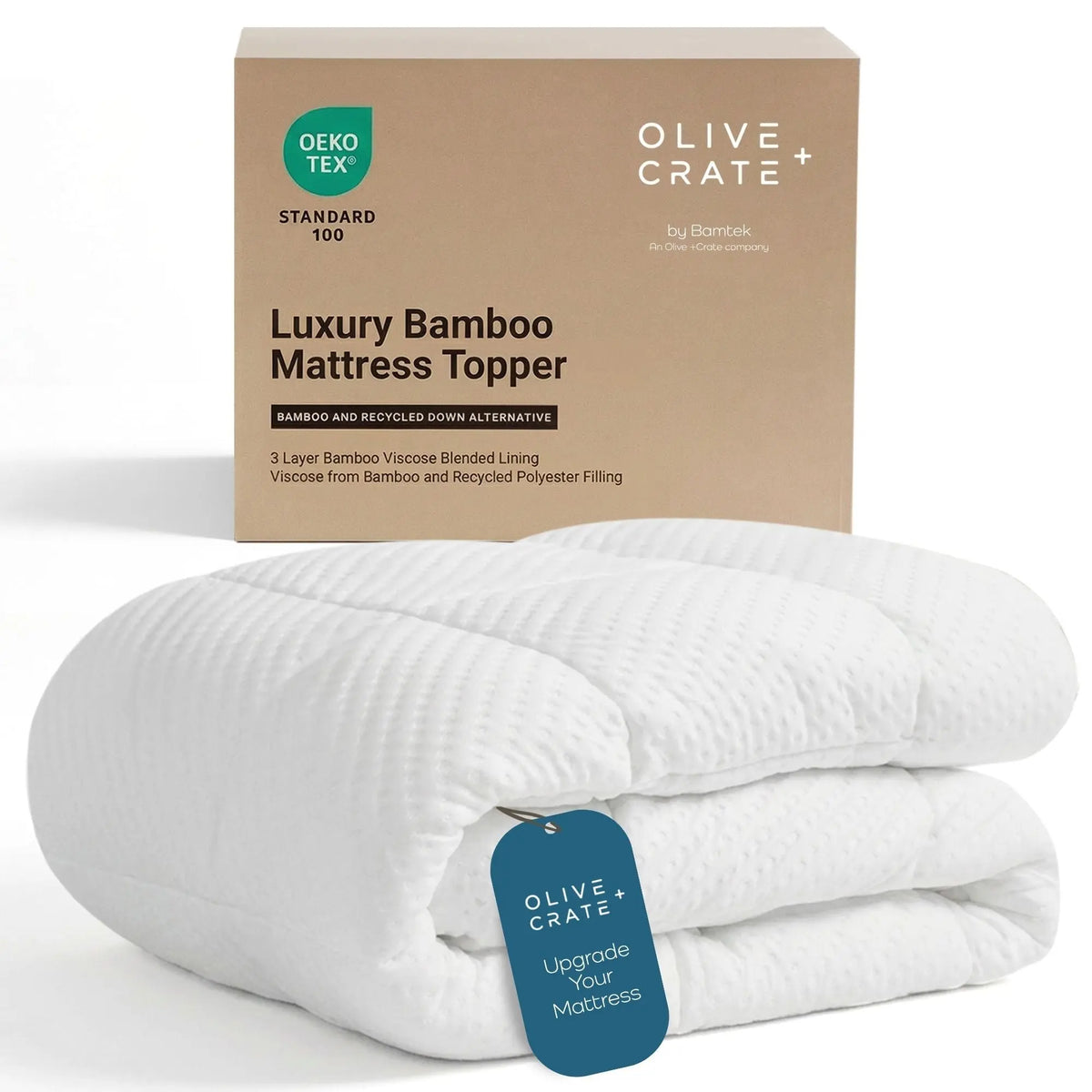
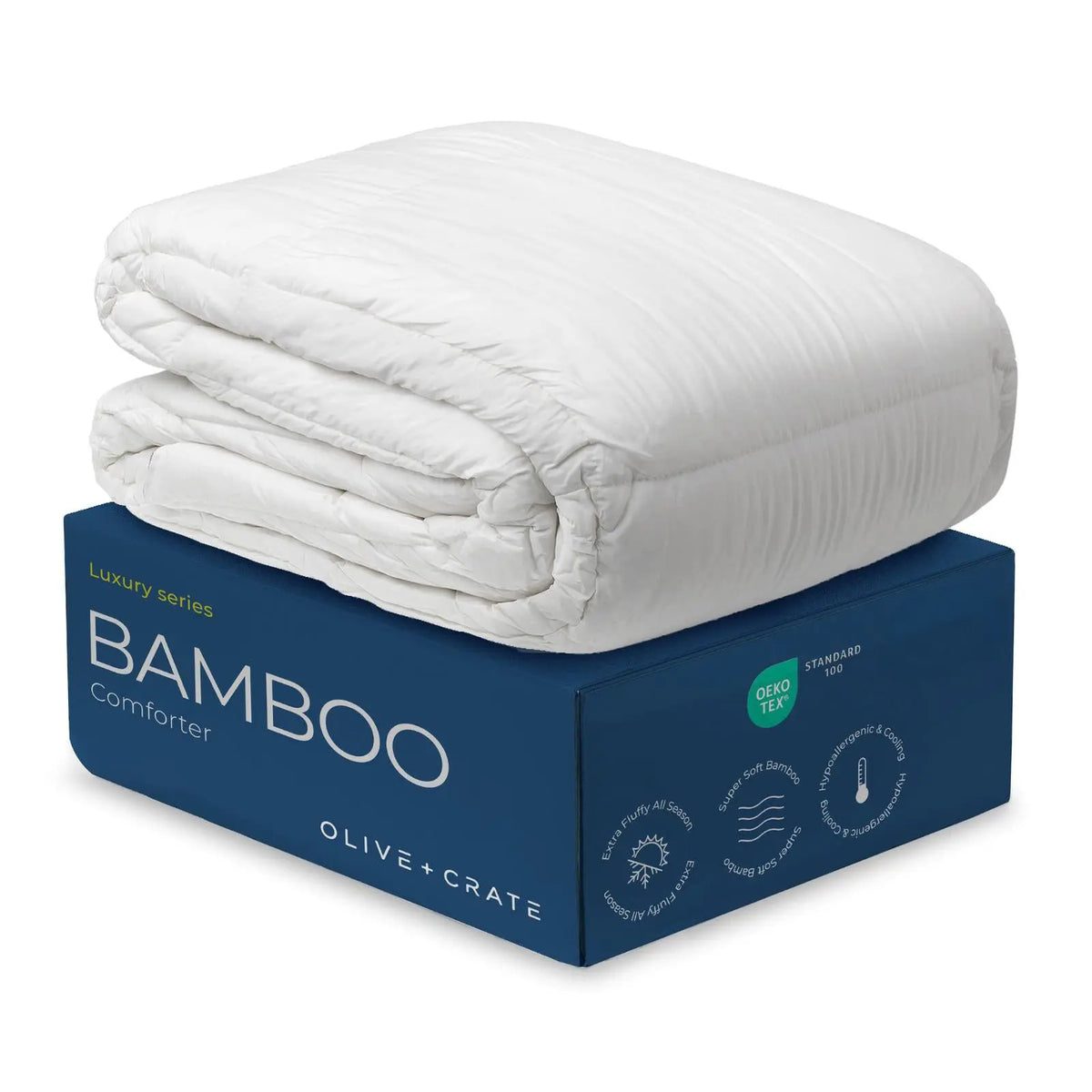
Fabric choice matters too. Breathable sheets tend to feel cooler and cleaner against the skin. Materials that limit dust or odor can also help the bed stay fresh longer, which keeps the room from feeling off as quickly.
The floor near the bed
This is where your day begins and ends. Clearing this area creates immediate ease, even if nothing else is touched.
Lighting and small surfaces
Dust on lamps and nightstands dulls light and softens the room in the wrong way. A quick wipe keeps the space feeling intentional.
Focusing on these areas is often the fastest way to create a clean bedroom without doing more than necessary.
How Often You Actually Need to Clean Your Room
If you’re wondering how to keep your room clean, consistency matters more than effort.
Daily (2 minutes)
-
Make the bed
-
Put clothes away
-
Clear the nightstand
Weekly (10–15 minutes)
-
Wash sheets
-
Vacuum or sweep
-
Wipe main surfaces
Monthly (20–30 minutes)
-
Rotate the mattress
-
Wash pillows or protectors
-
Dust corners and baseboards
This is how to clean your room properly without burning out. Some people prefer seasonal resets instead.
Beyond cleaning, it’s also worth considering when sheets themselves need replacing.
Worn-out bedding can hold onto odors and allergens even with regular washing.
How to Make Cleaning Your Room Fun (or at Least Easier)
You don’t need to enjoy cleaning for it to work. You just need it to feel finite.
Try:
-
A 15-minute timer challenge
-
One playlist, clean until it ends
-
Cleaning only what you can see
Defined limits make cleaning feel lighter and easier to repeat.
How to Keep Your Room Clean Without Trying Harder
If clutter keeps coming back, reduce the number of decisions you make daily.
-
Keep a laundry basket visible
-
Use bins instead of complex storage
-
Clear the nightstand every night
When the Room Isn’t Just Yours
Up to this point, the focus has been on cleaning your own space.
When kids share the space, the process changes. Not because the goal is different, but because attention spans, decision-making, and motivation work differently. Shorter resets and clearer structure matter more than efficiency.
How to Clean Your Room for Kids
For kids, cleaning works best when it feels short and visual.
Clean by Category, Not by Room
Asking a child to “clean your room” is vague. Categories give clarity.
Try one category at a time:
-
Pick up all the clothes first
-
Then gather toys or books
-
Finish with trash
This reduces overwhelm and gives kids a sense of progress they can see.
Use Simple Storage That Matches Their Habits
If a system is hard to use, kids won’t use it.
-
Open bins work better than drawers
-
One bin per category is enough
-
Labels or pictures help younger kids
The goal is fast resets, not perfect organization.
Make It a Reset, Not a Critique
Language matters more than instructions.
Instead of focusing on mess, try:
-
“Let’s make your room feel nicer.”
-
“Let’s clear the floor so you can play.”
-
“We’re just doing a quick reset.”
This keeps cleaning from feeling like punishment and helps kids see it as care, not correction.
Clean Together (Even Briefly)
Sitting nearby or helping for the first few minutes can make a big difference.
-
Fold clothes while they pick up toys
-
Call out categories together
-
Model stopping when the timer ends
Shared effort lowers resistance and builds routine.
What to Expect (and What Not To)
A clean room for kids looks different than it does for adults.
-
Some clutter will return quickly
-
Systems will need adjusting
-
Progress matters more than perfection
Short, repeatable resets teach kids how to care for their space without stress.
So, What Is the Best Way to Clean Your Room?
Trying to clean your room “the right way” every time is usually what makes it exhausting.
What works better is keeping it small. Clearing what’s in the way. Resetting the bed. Cleaning the parts of the room you actually use.