

Silk Pillowcases
Silk pillowcases are best for: dry skin, mature skin, and frizz-prone hair.
Silk is a popular choice for anyone who wants a smoother surface to sleep on. It creates very little drag against the skin because its continuous, long-filament fiber is woven in a tight satin weave. When you change positions at night, that lower friction helps reduce tangles, frizz, and breakage caused by repeated rubbing. And yes, that smooth surface also means fewer sleep lines or creases on your face.
Silk also absorbs less moisture than cotton, making it a better choice if you have dry skin or use nighttime skincare products.
Something to keep in mind, though. Silk pillowcases require a little more care than your average cotton pillowcase. Genuine, expensive silk pillowcases are very delicate, so most of the time you'll need to handwash them to prevent snagging or damaging the fiber.
Plus, although silk often feels cool and smooth when you first lie down, it may feel warmer than expected if your room is already hot.
Satin Pillowcases
Satin pillowcases are best for: frizz-prone hair
If you don’t have a budget for a silk pillowcase but prefer a slippery, smooth sleeping surface, consider getting satin. It is cheaper than silk but has a smooth surface for your hair to glide more easily. But one thing to keep in mind, though. Satin only feels similar to silk because of its weave, and the fiber underneath changes how it performs.
Satin pillowcases are often made from synthetic fibers to keep the cost down, and the feel can vary more than expected. Polyester satin is the most widely available option. Like silk, you’ll get a glossy, slippery finish without the price tag and delicate care. The main trade-off, unfortunately, is comfort.
Polyester satin retains more warmth than natural materials, which is why it may feel less comfortable for oily or heat-sensitive skin.
Cotton Pillowcases
Cotton pillowcases are best for: balanced/combination skin and cooler sleeping environments
There’s a reason cotton is a staple in everything from t-shirts to pants. It’s comfortable,handles frequent washing without extra care, and is widely available. And yes, cotton works well for bedding for the same reasons.
Cotton also manages moisture well, unlike satin or silk. But if you have dry skin or want to keep skincare products on your face, cotton’s absorbency might leave your skin feeling drier by morning.
Unfortunately, cotton creates more friction than silk or satin, especially in affordable pillowcases made with short-staple fibers. These fibers aren’t long enough to anchor deeply into the yarn, so their ends protrude. This creates a rougher surface that can eventually lead to pilling.
Eucalyptus Pillowcases
Eucalyptus pillowcases are best for: sensitive skin, acne-prone skin, and hot sleepers
If you don't like the idea of polyester pillowcases and want something more premium than cotton without paying silk prices, eucalyptus pillowcases are worth considering. They’re made from regenerated cellulose fibers derived from wood pulp (eucalyptus), with lyocell and viscose being the most common types you'll encounter.
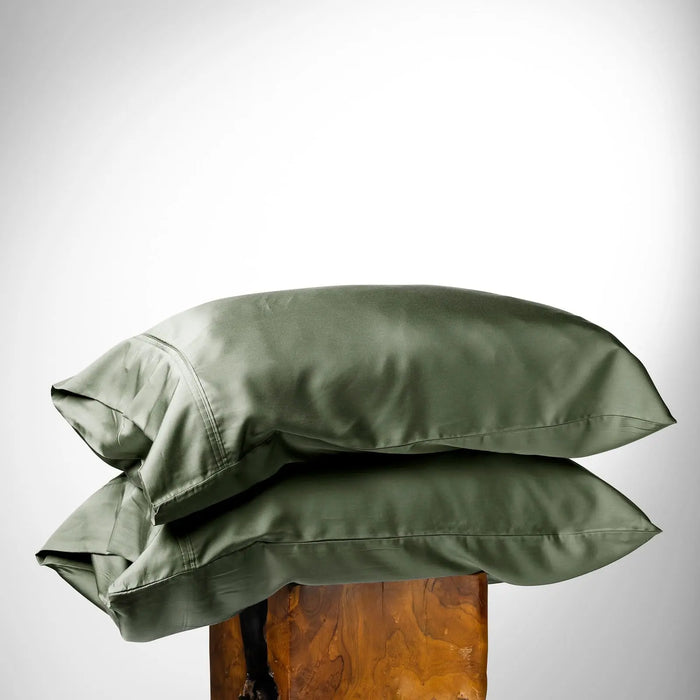
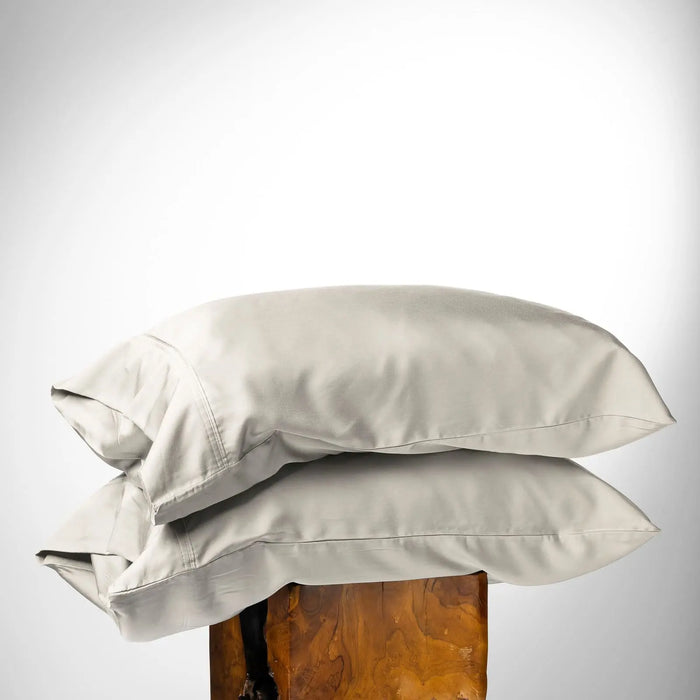
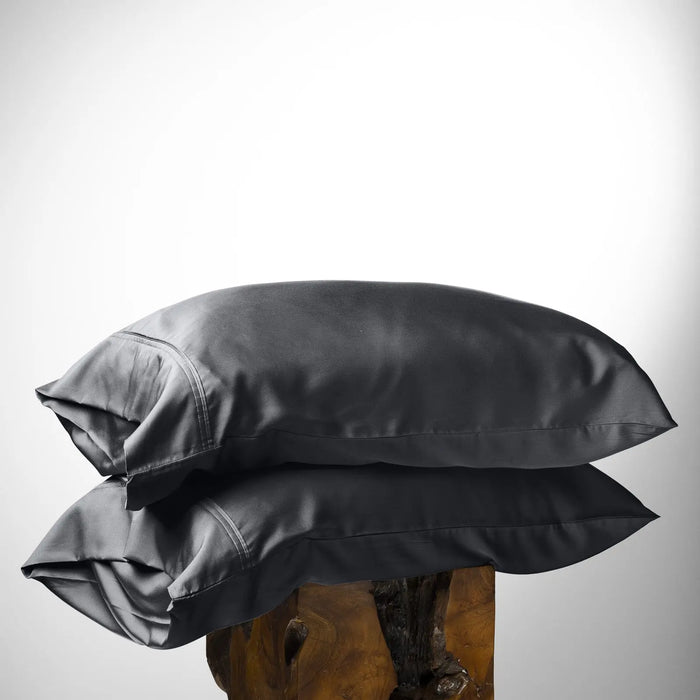
Between the two, lyocell is the better option. Not only does it use a closed-loop production process, but it also has a smoother texture and better moisture management properties. It’s not as slippery as silk, but it's smooth enough to help reduce friction while you sleep. And if you tend to sweat at night? Lyocell can absorb some of that moisture and release it as the fabric dries, so your pillowcase feels less damp against your skin.
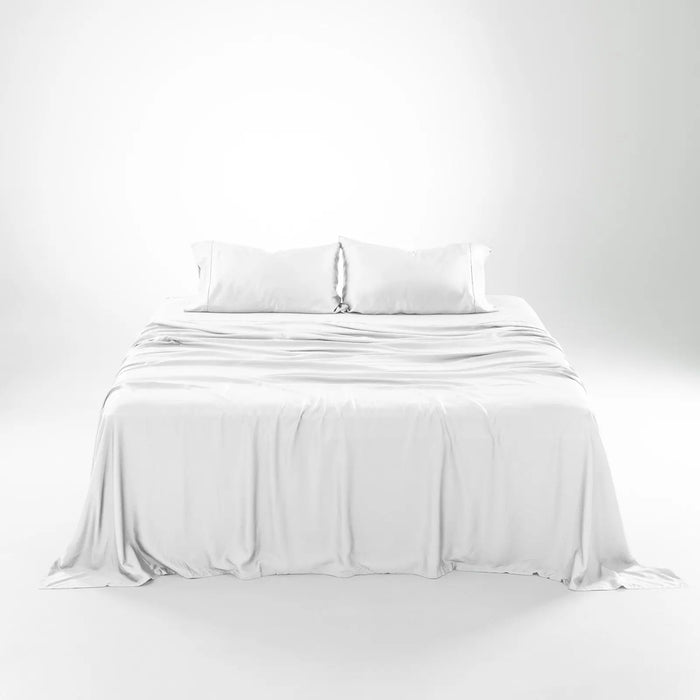
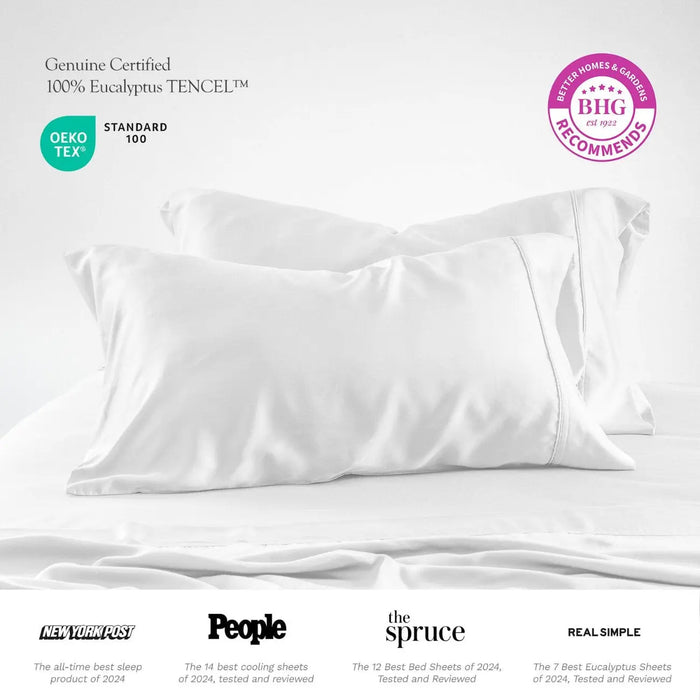
Olive + Crate pillowcases are made from eucalyptus lyocell. And unlike others, our pillowcases are OEKO-TEX STANDARD 100 certified, meaning the fabric has been tested for harmful substances.
Common Questions About Pillowcases