


Buying bedding involves many choices. Bedding sets simplify this process by grouping pieces that are designed to work well together.
This guide explains what bedding sets include and how to choose the right bundle.
What Are Bedding Sets?
A bedding set is a group of core bed pieces designed to work as one.
Instead of building a bed from separate parts, a set gives you a starting point where the main choices are already aligned.
What’s Included in a Bedding Set
Most bedding sets include:
-
A fitted sheet
-
Pillowcases
-
A flat sheet or top layer
-
Sometimes a duvet cover or comforter

Sheets matter more than most people expect. If the sheets feel wrong, the rest of the bed usually does too.
Differences in fabric and weave can change how a bed feels night after night, which is why understanding how sheets behave against the skin is often the best place to start.
Buyer takeaway:
Before buying, make sure you know exactly what the set includes and which piece you will feel the most.
Sets vs. Separate Pieces
Buying bedding piece by piece can feel flexible, but it often leads to small problems over time.
Bedding sets help by:
-
Keeping fabrics consistent across layers
-
Making sure colors work together
-
Reducing the need to replace items later
-
Making laundry and rotation easier
Rule of thumb:
If replacing one item usually means replacing another, a set would have been simpler.
What to Look for When Buying Bedding
Instead of focusing on trends or labels, pay attention to how bedding behaves when you use it every day.
Bedding Basics That Matter Most
-
Fabric
Does it breathe? Does it soften over time? -
Weave and weight
Heavier isn’t always warmer. Some lighter fabrics layer better. -
Breathability
This matters if you sleep warm or use multiple layers. -
Care
Bedding should wash well and keep its shape.
Thread count can help compare similar fabrics, but it does not tell the full story. Higher numbers do not always mean better comfort, especially if the fabric traps heat or feels stiff after washing.
Rule of thumb:
If bedding only feels good right after washing, it may not wear well over time.
How Bedding Pieces Work Together
Comfort improves when bedding pieces support each other instead of competing.
Why Sheets Set the Base
Sheets affect how the rest of the bed works:
-
Breathable sheets help heavier layers feel comfortable
-
Stiff sheets can fight softer blankets
-
Poor airflow leads to constant adjusting at night
When building or buying a bundle, start with the sheets. Everything else follows.
Choosing Layers That Work Together
Layering should add comfort without resistance. When layers compete, the bed never quite settles.
Duvet or Comforter?
This choice is about how you live with your bedding.
-
Comforters are one piece and low effort.
-
Duvets are easier to update and wash separately.
Neither option is better for everyone.
Some people prefer the consistency of a comforter, while others like the flexibility of a duvet that can change with the season.
How to Choose a Duvet Cover
A duvet cover affects comfort and ease of use. When evaluating a set or bundle, look for:
-
Closures that stay in place
-
Fabric that feels similar in weight to the sheets
-
Materials that soften over time rather than stiffen
When the cover and sheets are balanced, the bed feels more stable and less fussy.
Blanket Size and Proportion
Blankets are often added last, but size matters.
-
Too small leads to constant shifting
-
Too large creates visual clutter and uneven drape
-
The right size layers cleanly without effort
Choosing the correct proportions helps the bed look finished without extra adjustment.
Smart Bedding Combos That Work Better Together
Some bedding pieces perform better when chosen as pairs. These combinations improve comfort and reduce the need for early replacement.
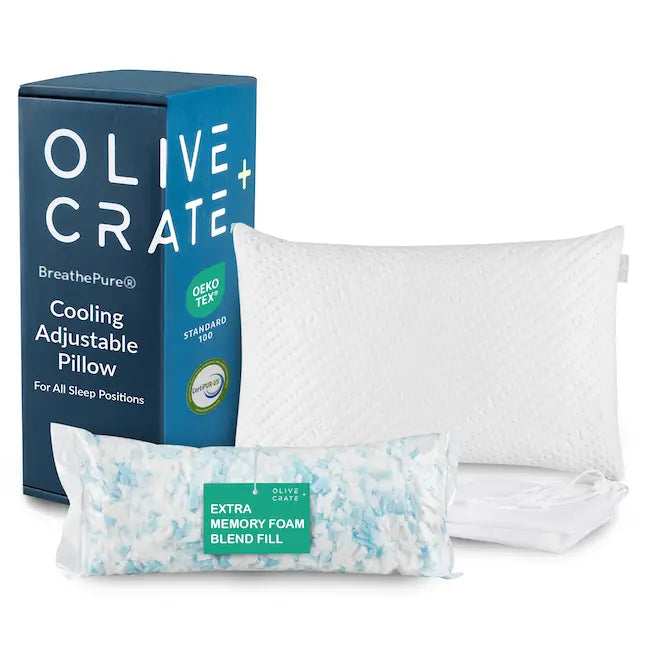
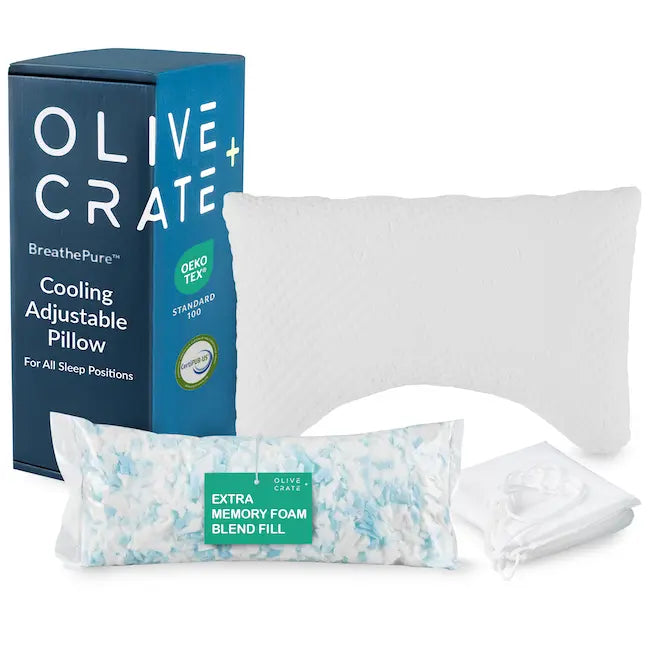
Pillow + Pillowcase Set
Pillows and pillowcases work best when chosen together.
-
The pillowcase fabric affects how the pillow feels and wears
-
A proper fit helps the pillow keep its shape
-
Matching materials reduce heat buildup and friction
This combination supports daily comfort and makes it easier to replace cases without changing the pillow.
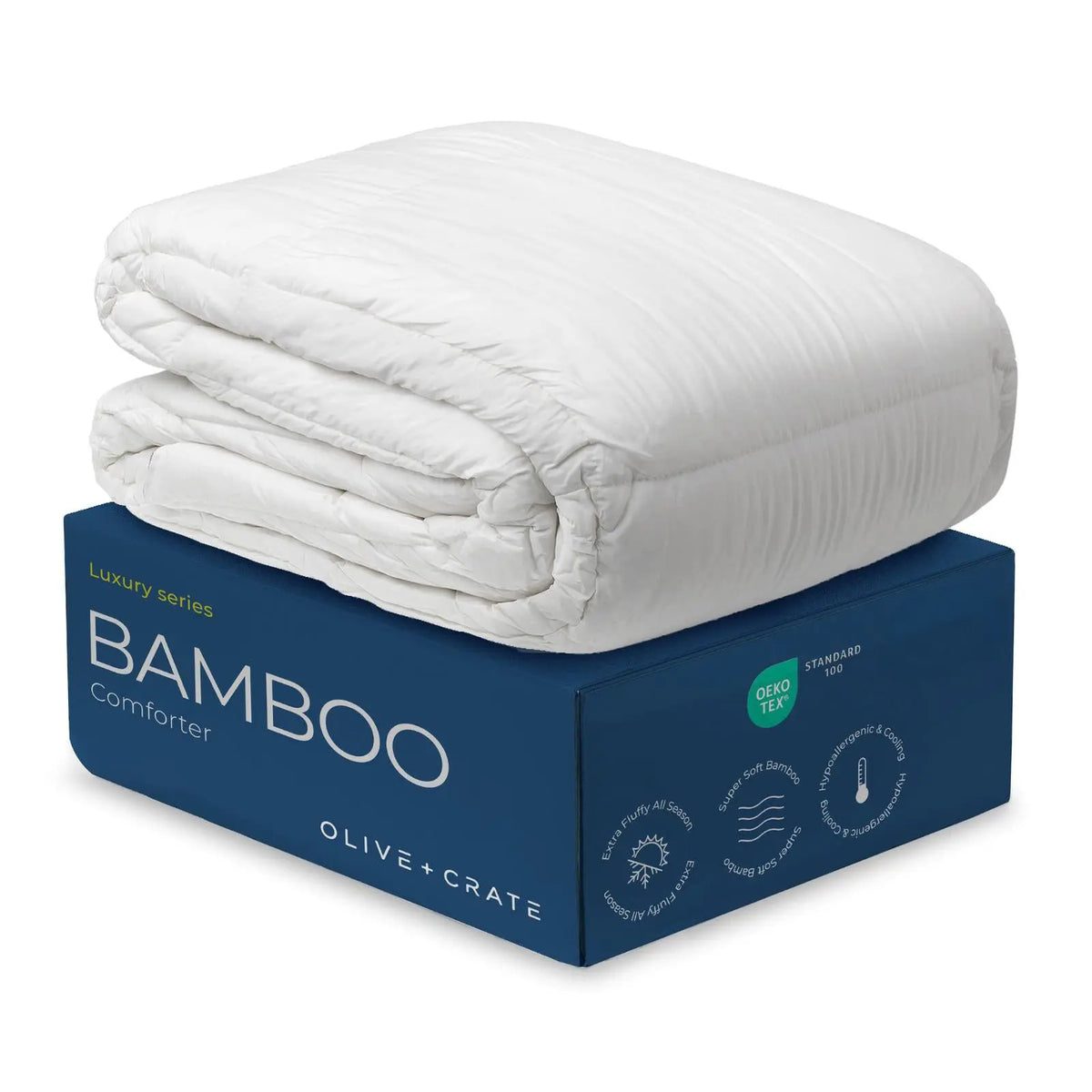
Comforter + Duvet Cover
Comforters last longer when paired with a well-fitting duvet cover.
-
The cover protects the comforter from frequent washing
-
Matching sizes prevent bunching and shifting
-
Fabric weight stays balanced across layers
Changing the duvet cover refreshes the bed without replacing the comforter.
Sheet Set + Duvet Cover
Sheets and duvet covers interact more than most people expect.
-
Similar fabric weights layer more smoothly
-
Breathability stays consistent from base to top
-
Textures do not compete
This pairing is especially useful for people who sleep warm or use multiple layers year-round.
Color Pairings That Age Well

Color affects how often bedding feels usable.
-
Neutral sheets pair easily with deeper top layers
-
Soft tones work well with one darker accent
-
Lower contrast feels calmer, while higher contrast suits warmer months
Colors that layer well across seasons reduce the need to replace entire sets. Subtle shifts in tone often feel more natural than full seasonal changes.
How Many Bedding Sets Do You Need?
Most buyers find three sets practical:
-
One in use
-
One in the wash
-
One ready to rotate
This approach keeps laundry flexible and avoids rushed turnovers.
How to Store Bedding Sets
To keep sets intact and easy to use:
-
Store pieces together, not separately
-
Fold everything into one pillowcase
-
Use breathable storage
Practical tip: If you store bedding by item, you’ll remake decisions every time you change the bed. Store by set to avoid that.
Can You Mix Patterns in Bedding Sets?
Yes, but only when there is a clear base.
Mixing works when color, undertone, and fabric weight are consistent, even if patterns vary.
Without that foundation, the bed can feel busy or unfinished.
To keep things feeling calm:
-
Start with neutral sheets
-
Use one pattern at a time
-
Balance it with solids or soft textures
Color also changes with the seasons. Lighter shades often feel better in warmer months, while deeper tones suit cooler ones.
Planning color combinations with this shift in mind makes sets easier to live with year-round.
Finding the Best Bedding Set for You
The best set depends on how you sleep and who you share your space with.
Hot Sleepers
Prioritize breathable sheets and adaptable top layers. This guide to the best sheets for hot sleepers explains what to look for.
Minimalists
Fewer layers, consistent textures, and neutral palettes reduce visual and physical clutter.
Families
Durability and ease of care matter most. For households managing sensitivities, this guide to hypoallergenic bedding outlines practical considerations.
Guest Rooms
Choose versatile sets with broad appeal, either comfortable, neutral, and easy to maintain.
Kids & Growing Families
Look for softness, breathability, and fabrics that hold up to frequent washing without losing shape.
Where to Buy Bedding Sets
When shopping for a bedding bundle or set, look for brands that design bedding to work as a system. Sets made together tend to layer better and wear more evenly over time.
If you’re starting with a budget in mind, curated options can be a practical way to build a complete bed without mixing pieces yourself.
One Last Thing
Bedding sets make the process simpler. They reduce decisions, avoid mismatches, and help the bed feel more settled day to day.
For buyers considering bundles or sets, the benefit is choosing once and knowing the pieces will work together.