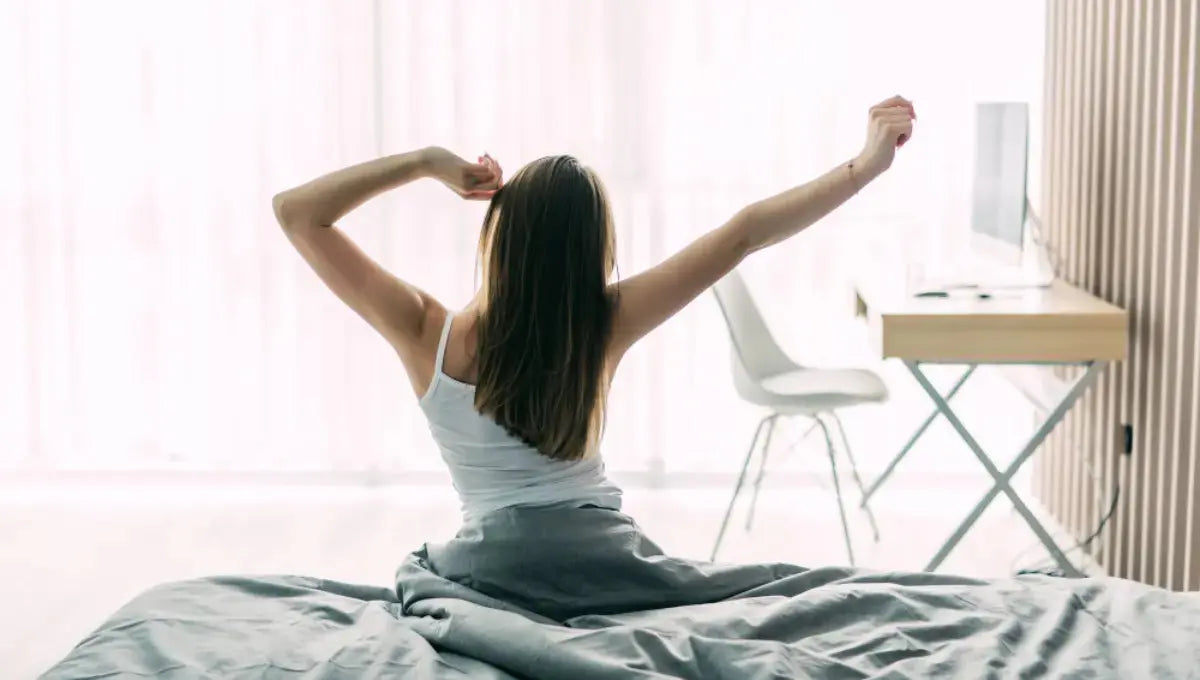



Sleep often changes slowly. Over time, small patterns can affect how easily the body settles at night.
A clear sleep hygiene checklist helps bring attention back to the habits and environment that shape sleep quality.
Gentle note: This article is for informational purposes only and does not replace medical advice.
What Is Sleep Hygiene and Why It Matters
Sleep hygiene refers to the habits and environmental conditions that influence sleep timing and sleep quality.
Researchers often describe sleep hygiene as the relationship between daily behavior, bedroom environment, and circadian rhythm.
It usually includes patterns such as:
-
consistent bedtime and wake time
-
evening light exposure
-
caffeine or alcohol intake later in the day
-
screen use before bed
-
bedroom comfort, temperature, and noise levels
When these signals stay consistent, the body begins to anticipate sleep.
When they change frequently, falling asleep becomes harder and sleep may become lighter or more fragmented.
A steady schedule is often the first step in restoring those rhythms. Small timing changes can guide the body back toward a predictable sleep cycle.
Why Good Sleep Hygiene Habits Support Wellbeing
Sleep affects concentration, emotional regulation, and physical recovery.
Poor sleep hygiene is associated with several common issues:
-
sleep difficulties
-
daytime fatigue
-
reduced attention
-
mood changes
One study exploring sleep habits among students found that poor sleep hygiene was associated with sleep deprivation and reduced daytime functioning.
Sleep loss can also accumulate gradually. Even short periods of missed sleep can build into longer-term fatigue.
Why Sleep Quality Starts to Drift
Sleep difficulties often begin with small routine changes.
Habits That Quietly Disrupt the Night
Evening behavior plays a large role in how quickly the body relaxes.
Habits that commonly disrupt sleep include:
-
bright screens late at night
-
inconsistent sleep schedules
-
caffeine in the afternoon or evening
-
stimulating activities before bed
-
heavy meals late at night
Light from electronic screens can suppress melatonin release, the hormone that helps regulate sleep cycles.
Over time these patterns can contribute to poor sleep hygiene, where daily habits unintentionally disrupt the body’s natural sleep signals.
Bedroom Details That Shape How Well We Sleep
The sleep environment also influences how easily the body relaxes.
Key factors include:
-
room temperature
-
noise levels
-
light exposure
-
mattress and pillow comfort
-
air circulation
The body naturally cools as it prepares for sleep. When the room is too warm, this process can be interrupted.
Seasonal temperature changes can influence sleep comfort as well. Many people notice differences in sleep during warmer or colder months.
A Sleep Hygiene Checklist That Helps the Body Settle
Daily Sleep Hygiene Checklist
Morning
-
wake at the same time each day
-
get natural light exposure within the first hour
-
move the body or stretch briefly
Afternoon
-
avoid caffeine after mid-afternoon
-
step outside for daylight exposure
-
stay hydrated
-
avoid long daytime naps
Evening
-
dim indoor lighting 60 to 90 minutes before bed
-
limit screen exposure
-
reduce stimulating activities
-
keep dinner moderate in size
Bedroom Environment
-
keep the bedroom cool and dark
-
use comfortable bedding
-
minimize noise and light
-
maintain consistent sleep timing
Soft bedding, supportive pillows, and a calm bedroom can make the transition to sleep easier.
Neck alignment and pillow height can also influence how relaxed the body remains overnight.
Research on sleep hygiene also suggests that habits often need to be personalized based on lifestyle and environment.
Sleep Hygiene at Different Stages of Life
Sleep needs shift as the body grows and changes.
The same principles apply, but routines look different at different ages.
Sleep Hygiene Tips for Teens
Teenagers naturally experience shifts in sleep timing during adolescence.
Biological rhythms tend to move later, which can make early bedtimes difficult.
A teen sleep hygiene checklist may include:
-
consistent bedtime and wake time even on weekends
-
limiting screen exposure one hour before bed
-
keeping phones outside the bedroom
-
avoiding caffeine and energy drinks at night
-
finishing homework earlier in the evening
-
dimming bedroom lighting at night
-
maintaining a cool, quiet sleep environment
Encouraging calming activities such as reading or journaling can help signal that the day is ending.
Sleep Hygiene for Toddlers and Young Children
Young children respond strongly to predictable routines.
A toddler sleep hygiene checklist may include:
-
consistent bedtime and wake time
-
bath or quiet play before bed
-
reading a short bedtime story
-
dim lighting during the bedtime routine
-
maintaining a calm bedroom environment
-
keeping bedtime routines consistent each night
Some families also introduce relaxation exercises or calming storytelling before bed.
Signs Sleep Hygiene May Need Attention
Sleep disruptions sometimes appear through physical discomfort rather than obvious routine changes.
Common signs include:
-
night sweats
-
frequent waking
-
feeling overheated during sleep
-
restless movement
Temperature and bedding conditions often contribute to these experiences.
Learning more about why night sweats occur in both children and adults can help identify possible causes.
How Seasonal Rhythms Influence Sleep Patterns
Changes in daylight exposure can affect circadian rhythm and influence when the body naturally feels tired.
Seasonal factors that influence sleep include:
-
shorter daylight hours in winter
-
later sunsets in summer
-
changes in indoor lighting
-
daylight saving time transitions
Gradual timing changes can help the body adjust during seasonal transitions.
Sleep Often Follows Quiet Patterns
Sleep hygiene grows from habits that repeat each evening.
Consistent bedtimes, dim lighting, cooler rooms, and comfortable bedding send signals that the day is ending.
These patterns guide the body back toward a rhythm where sleep arrives more easily and mornings feel clearer.
External Sources for Further Reading
Sleep hygiene – What do we mean? A bibliographic review
https://www.sciencedirect.com/science/article/pii/S1087079224000340
Sleep hygiene recommendations for insomnia: A behavioral and clinical perspective
https://www.mdpi.com/2673-947X/2/3/13
Study: Light from backlit electronics suppresses melatonin release
https://www.aaas.org/taxonomy/term/9/study-light-backlit-electronics-suppresses-melatonin-release
Association between poor sleep hygiene practices and sleep deprivation among medical students
https://www.researchgate.net/publication/368826666