


What Do Bed Bug Eggs Look Like?
Bed bug eggs are incredibly small, measuring only about 1 mm long, so they're easy to miss unless you're looking closely. They are oval-shaped and usually white or translucent, with some people comparing them to tiny grains of rice. However, they're slimmer and more elongated.
The eggs are also coated in a sticky, wax-like substance that acts like a natural glue. That's why they stay firmly attached to fabric, mattresses, and other surfaces instead of falling off. And yes, that also means that bed bug eggs do not move from one spot to another.
You will usually spot bed bug eggs clustered together in areas like seams, folds, and mattress piping.
How to Remove Bed Bug Eggs on Sheets
If you have confirmed that the rice-grain-looking pieces on your sheets are really bed bug eggs, the next step is removing them. In most cases, heat is all your sheets need, so don't throw them out just yet.
Step 1. Vacuum
Before you throw your bed sheets in the washing machine, make sure you vacuum the surrounding area first, including the crevices of the bed frame and the seams of your mattress. The goal is to remove as many eggs as possible.
Tip: Don't forget to dispose of the vacuum bag immediately - put it in a sealed bag and throw it in the trash outdoors.
Step 2. Bag the Sheets
Don't just carry the sheets to the laundry room. Seal them in a bag first - unless you want the eggs that weren't removed by the vacuum to drop on your carpet and furniture.
Step 3. Wash In Hot Water
Bed bugs and their eggs won't die in cold or warm water, even in extended periods. If you wash the sheets in hot water, the heat breaks down their cellular proteins and enzymes denature, which leads to desiccation (loss of water) and then death. So, set your washing machine to the hottest temperature possible (ideally, 60°C or higher).
Tip: Make sure to check your sheet's care label.
When to Replace Your Sheets
While washing and drying your current bed sheets usually resolves bed bug eggs, there are some instances when it won't. So, how do you know when it's time to replace your sheets? Here are some signs to look out for:
- There are still stains or fecal spotting. If your freshly washed sheets have stains or fecal spotting after a few days, the infestation might be too advanced already.
- Eggs are too embedded into the fabric, and you have to remove each one by hand.
- Current sheets are too worn out after repeated washing and drying, but there are still leftover bed bug eggs.
If you're seeing any of these signs, call a licensed pest control professional to completely eradicate the bed bugs (and the eggs, of course) once and for all. Of course, don't reuse your old bed sheets!
shop all colors
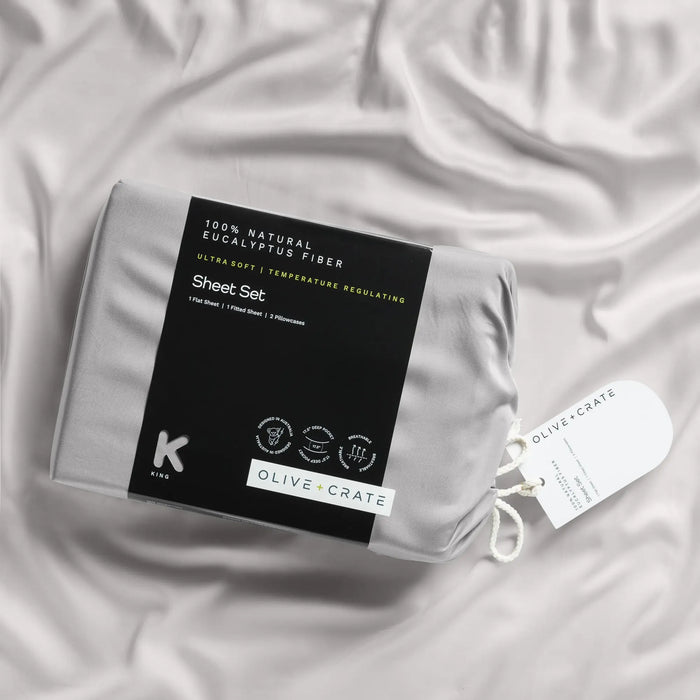
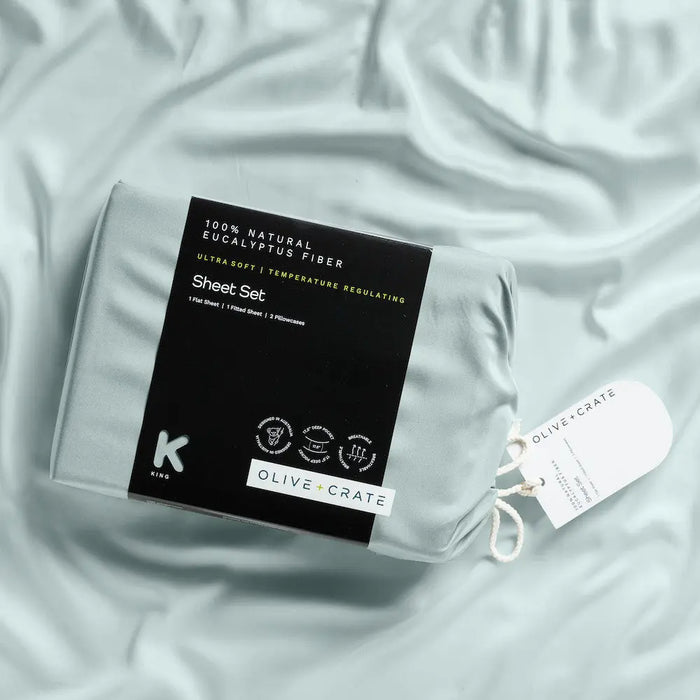
Replace them with brand-new Olive + Crate sheets. Our sheets are great for summer because they are made from TENCEL™ fabric, which is known for its breathability. Plus, they’re soft to the touch. Need bedding ideas? Get inspiration from these bedding color combinations for summer.
How to Prevent Bed Bug Eggs During Summer?
Prevention is key when you want to prevent bed bug eggs during summer. Here are three practical tips.
- Inspect regularly: Don't wait until it's too late. Make it a habit to check the mattress seams, bed frames, and even sheet folds at least weekly.
- Reduce clutter around the bed: Clearing around and underneath your bed means fewer hiding places for bed bugs.
- Regularly wash and dry sheets on high heat: Routine high-heat washing can eliminate bed bugs and eggs before they have a chance to multiply, especially if they've only recently been introduced.
Conclusion
Bed bug eggs may be tiny, but they're one of the most important early-warning signs you can catch. Again, if you are still seeing persistent signs of an infestation, don't wait it out. Call a licensed pest control professional.

Common Questions About Bed Bugs