


If you’ve been hitting snooze more often, you’re not alone. Shorter days and cooler air can change how you rest. Your bedroom may also be part of the reason.
Small, mindful tweaks can ease winter tiredness and help you wake refreshed.
Why you Feel More Tired in Winter
-
Less daylight can increase melatonin and make you drowsier.
-
Room temperature swings (too warm or too cold) disrupt deep sleep.
-
Heavy, non-breathable layers trap heat and moisture.
-
Dry indoor air can irritate sinuses and fragment sleep.
Quick answers (for fast relief)
-
Seasonal insomnia / winter insomnia: Short daylight and routine changes can delay sleep and cause restlessness.
-
Ideal temperature for sleeping in winter: 15–19°C (60–67°F).
-
Best temperature for sleep in winter: Stay on the cooler side if you overheat easily.
-
Does winter make you more tired? For many people, yes! Less sun and heavier bedding can reduce sleep quality.
-
Why does cold weather make you tired? Your body uses more energy to thermoregulate; dim light can also cue more melatonin.
-
Can the cold make you tired? Indirectly - if you’re shivering at night or overcompensating with heat and heavy blankets.
The Role of Your Sleep Environment
Your bedroom sets the tone for rest. The temperature, air quality, and fabrics around you quietly influence your comfort and sleep quality.
When the space feels stale or overheated, it’s harder for your body to regulate temperature - one of the key signals that helps you fall asleep.
A few mindful changes can make a noticeable difference.
1. Choose breathable bedding that regulates heat
Goal: stay warm without overheating.
-
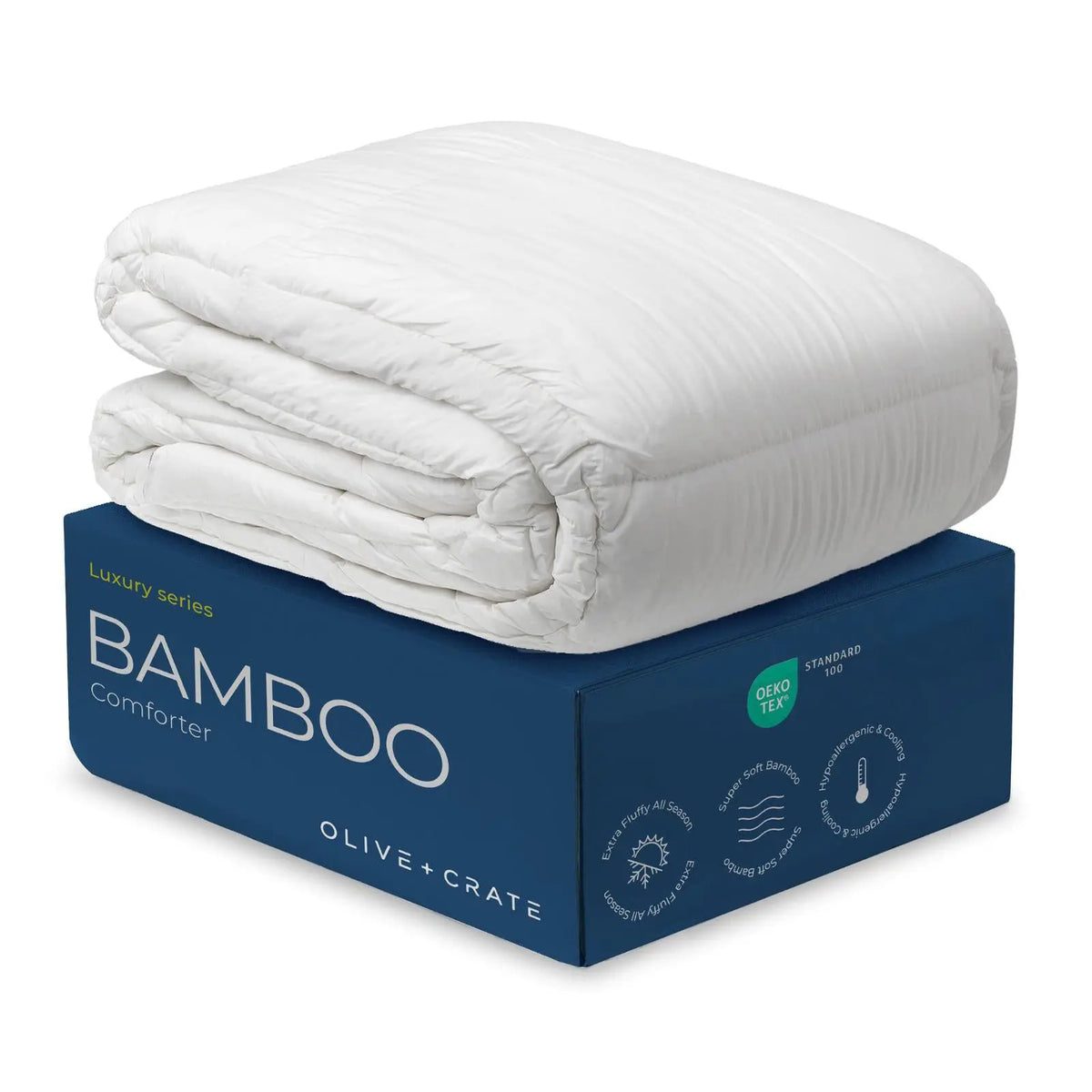
Choose eucalyptus or bamboo bedding to regulate temperature and wick moisture.
-
Prioritize a smooth, cool-against-the-skin hand feel to reduce tossing.
-
Replace heavy synthetics with light, breathable layers.
Learn more about sustainable eucalyptus bedding for better rest in our post on eco-conscious sleep habits.
2. Keep your room at the right temperature
A slightly cool room supports natural sleep rhythms.
-
Aim for 15–19°C (60–67°F).
-
Lower the thermostat an hour before bed.
-
Use a fan or cracked window for circulation.
-
Add a humidifier if the air feels dry.
Explore layering ideas in the best sheets to sleep on for quality rest.
3. Support the neck and spine
Your pillow matters. The wrong height or firmness can keep muscles tense.
An adjustable pillow for better sleep helps align your spine, reduces strain, and lets you settle into a comfortable position faster.
4. Maintain clean, comfortable air
Dry, stale air can lead to congestion and restless nights.
-
Open windows briefly each morning.
-
Keep humidity around 40–50%.
-
Wash bedding weekly to remove dust.
If allergies disturb your rest, these nighttime allergy relief tips can help you breathe easier.
5. Layer bedding for easy adjustments
Layering prevents the extremes of being too hot or too cold.
-
Base: moisture-wicking eucalyptus sheets.
-
Middle: midweight quilt or duvet.
-
Top: soft throw for flexible warmth.
This setup makes it easy to fine-tune comfort as temperatures shift overnight.
6. Balance light exposure
Light affects energy and rest.
-
Morning: let in sunlight as soon as you wake.
-
Evening: dim lights, avoid bright screens, and use warm tones.
Consistent light cues strengthen your body’s natural rhythm and reduce winter sluggishness.
7. Create a short nightly routine
Give your body time to slow down.
-
Lower lights and screens.
-
Tidy the space for calm focus.
-
Take a warm shower or stretch lightly.
-
Slip into cool, breathable sheets and breathe slowly.
This transition tells your body that it’s time to rest.
8. Keep the room quiet and uncluttered
A peaceful space helps your mind release the day.
-
Reduce background noise where possible.
-
Use curtains or rugs to soften sound.
-
Clear surfaces for visual calm.
Simple order supports deeper relaxation.
9. Add natural touches
Bring subtle nature indoors: a eucalyptus branch, linen curtains, a touch of wood or greenery.
Natural elements soften edges and remind your senses to slow down.
10. Choose sustainable comfort
Sustainability and rest go hand in hand.
-
Invest in long-lasting, eco-friendly materials.
-
Wash bedding in cool water and air-dry when possible.
-
Rotate pieces seasonally instead of replacing them often.
Small, mindful habits extend comfort and care for you and for the planet.
Sustainable Comfort, Season After Season
Winter is an invitation to rest, not rush. When your space feels calm and breathable, it’s easier to find balance and steady energy through the darker months.
Simple, sustainable choices can turn an ordinary room into a place of quiet renewal.
Let rest be part of how you care for yourself this season.